
Spain Craft Beer Market Analysis Innovation, Tourism, and Premium Consumption Trends 2026–2034
Craft Beer
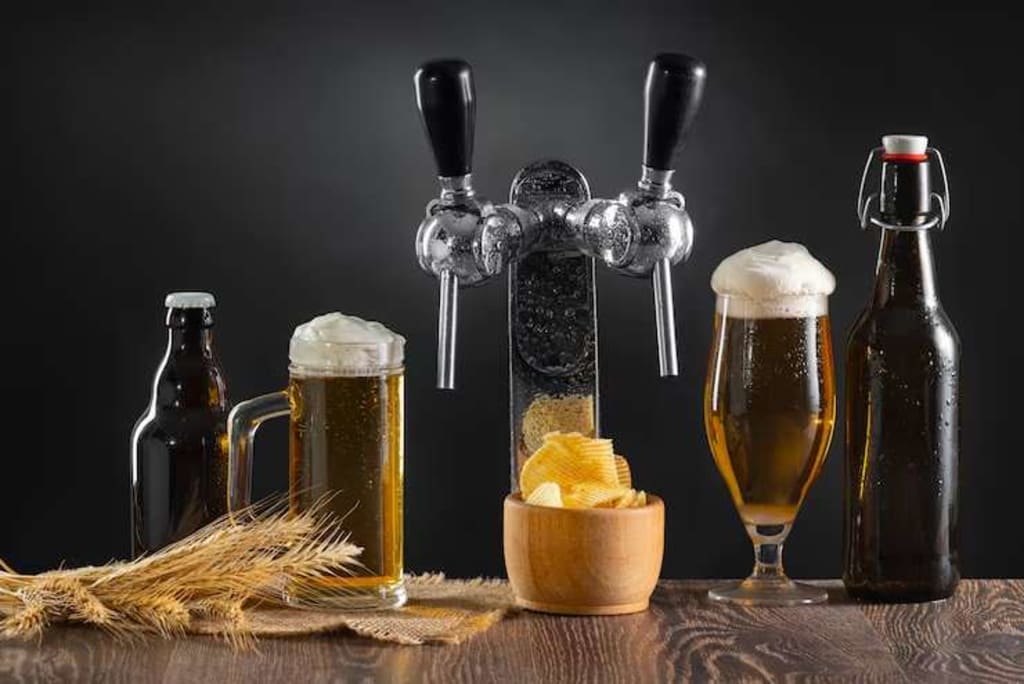
Spain’s beverage industry has long been associated with wine and large-scale commercial lagers. However, over the past decade, craft beer has emerged as one of the most dynamic and fast-growing segments within the country’s alcoholic drinks market. What began as a niche movement led by independent brewers has evolved into a mainstream trend supported by changing consumer preferences, premiumization, and a strong tourism economy.
In 2025, the Spain craft beer market reached a value of USD 2.5 billion. Looking ahead, the market is projected to grow significantly, reaching USD 5.1 billion by 2034, expanding at a compound annual growth rate (CAGR) of 8.39% during 2026–2034. This steady growth trajectory reflects deep structural shifts in consumer behavior, retail distribution, and regional production ecosystems.
Current Market Overview (2025)
By 2025, craft beer in Spain is no longer confined to specialty bars or niche urban neighborhoods. It has secured shelf space in supermarkets, visibility in mainstream restaurants, and a growing presence on digital platforms. The USD 2.5 billion valuation highlights the segment’s transition from emerging category to established industry contributor.
Key growth drivers include:
Rising demand for premium and artisanal beverages
Increased interest in diverse flavor profiles
Expanding microbrewery presence across regions
Strong tourism inflows
Growth of beer festivals and tasting events
Together, these forces are reshaping Spain’s overall beer market structure and increasing the craft segment’s share.
Premiumization: A Shift in Consumer Mindset
One of the most significant catalysts behind the market’s expansion is premiumization. Spanish consumers, particularly younger demographics, are increasingly prioritizing quality, authenticity, and uniqueness over price alone.
Craft beer offers:
Small-batch production
Innovative brewing techniques
Distinctive taste profiles
Local sourcing of ingredients
Strong brand storytelling
This shift reflects a broader lifestyle change in which consumers seek experiences rather than simply products. Craft beer aligns well with this trend, offering both sensory diversity and cultural identity.
Regional Growth Engines
Several regions across Spain have become prominent hubs for craft beer production and innovation. These areas are benefiting from strong local entrepreneurship, tourism activity, and vibrant food cultures.
Catalonia
Catalonia has emerged as a leading center for craft beer innovation. With Barcelona as a cultural and tourism hotspot, the region supports a thriving ecosystem of microbreweries. International visitors and a cosmopolitan population contribute to experimentation with global beer styles, including IPAs, stouts, and sour ales.
Basque Country
Basque Country, known for its strong culinary heritage, has integrated craft beer into its celebrated gastronomy culture. Breweries often collaborate with local chefs, promoting beer and food pairing experiences. This alignment with high-quality cuisine reinforces craft beer’s premium positioning.
Valencia
Valencia has witnessed rapid growth in independent brewing ventures. The city’s Mediterranean lifestyle, coastal tourism, and expanding startup culture create fertile ground for innovative beverage businesses. Craft breweries here often emphasize fresh, citrus-infused, and seasonal offerings aligned with local tastes.
Madrid
Madrid serves as a major commercial and distribution hub. The capital’s dense hospitality network including bars, gastropubs, and taprooms—has accelerated on-trade sales of craft beer. Additionally, Madrid’s retail infrastructure enables broader supermarket and specialty store penetration.
Youth Demographics and Experimental Tastes
Millennials and Generation Z consumers are central to the craft beer boom. These groups tend to value creativity, sustainability, and personalization in their purchasing decisions.
Popular styles among younger consumers include:
Hazy and New England IPAs
Fruity and citrus-forward ales
Barrel-aged stouts
Sour and farmhouse-style beers
Low-alcohol and gluten-free variants
Social media also plays a critical role in shaping demand. Visually distinctive packaging, limited-edition releases, and taproom experiences are frequently shared online, amplifying brand visibility and driving word-of-mouth marketing.
Distribution Channel Expansion
The distribution landscape for craft beer in Spain has diversified significantly.
On-Trade Venues
Bars, restaurants, and dedicated taprooms remain primary sales channels. Consumers often prefer to discover new craft beers in social settings where they can sample multiple varieties.
Supermarkets and Retail Chains
Large retail chains now allocate dedicated shelf space to craft beer. This has improved accessibility and allowed craft brands to compete directly with established mass-market labels.
Online and Direct-to-Consumer Sales
E-commerce channels are gaining traction, particularly in urban areas. Brewery websites, subscription services, and curated tasting boxes offer convenience and broaden market reach. Although still developing compared to on-trade channels, online sales represent a promising growth avenue.
Tourism and Beer Festivals as Catalysts
Spain is one of the world’s most visited countries, and tourism significantly benefits the craft beer segment. International visitors often seek authentic local experiences, including regional beverages.
Craft breweries leverage tourism through:
Brewery tours and tasting sessions
Participation in international beer festivals
Collaboration with hospitality venues
Seasonal events tied to cultural celebrations
Beer festivals provide exposure for smaller producers, enabling them to reach new audiences and strengthen brand recognition both domestically and abroad.
Market Forecast to 2034
The projected growth from USD 2.5 billion in 2025 to USD 5.1 billion by 2034 reflects sustained demand and structural maturity. The anticipated CAGR of 8.39% indicates steady expansion rather than speculative spikes.
Future growth drivers are expected to include:
Continued premium segment expansion
Export opportunities within the European Union
Technological advancements in brewing
Increased focus on sustainability and eco-friendly packaging
Stronger regional brand identities
As consumer sophistication increases, breweries will need to maintain innovation while ensuring consistent quality and efficient operations.
Competitive Landscape and Microbrewery Expansion
The number of microbreweries across Spain has grown considerably over the past decade. Independent producers benefit from agility, local sourcing, and strong community engagement.
Their competitive advantages include:
Flexibility in developing new recipes
Ability to produce limited-edition batches
Direct customer interaction in taprooms
Authentic branding rooted in local culture
At the same time, large brewing companies are entering the craft-style segment by launching specialty sub-brands. This intensifies competition but also validates the segment’s commercial potential.
Challenges Facing the Industry
Despite strong growth prospects, the Spain craft beer market faces several challenges:
Volatility in raw material prices
Regulatory and licensing complexities
Increasing competition
Shelf space constraints in retail outlets
Price sensitivity among certain consumer groups
To navigate these challenges, breweries must focus on operational efficiency, brand differentiation, and sustainable cost management.
Conclusion
The Spain craft beer market stands at a pivotal moment of expansion and transformation. With a valuation of USD 2.5 billion in 2025 and a projected rise to USD 5.1 billion by 2034, the industry is positioned for sustained and meaningful growth.
Regions such as Catalonia, Basque Country, Valencia, and Madrid are shaping the future of craft brewing through innovation, entrepreneurship, and strong tourism support. Younger consumers, premiumization trends, diversified distribution channels, and experiential marketing continue to redefine market share and competitive dynamics.
About the Creator
Keep reading
More stories from Neeraj kumar and writers in Education and other communities.
The Digital Billing Revolution Inside Spain 1,139.5 Million E-Invoicing Surge
The era of paper invoices and manual reconciliation is officially over. Walking through the offices of Madrid, Barcelona, or Valencia in 2026 or logging into an SME accounting dashboard you immediately realize that the modern Spanish business is one of the most digitally conscious in Europe. I call them “Invoice Strategists”professionals who demand speed, accuracy, and regulatory compliance, valuing real-time insights over cumbersome legacy processes.
By Neeraj kumar2 days ago in Education
Creating Measurable Community Progress Through Results-Driven Philanthropic Leadership
Results-driven philanthropic leadership is essential for building strong, self-sustaining communities. It transforms charitable intent into structured initiatives that prioritize measurable outcomes and long-term development. Leaders who focus on results understand that sustainable impact requires planning, accountability, and coordinated collaboration.
By John Olin Killgore4 days ago in Education



Comments
There are no comments for this story
Be the first to respond and start the conversation.