
Spain Beauty Products Market Outlook Clean Beauty Trends and Premium Innovation Driving Steady Growth 2026–2034
Beauty Products
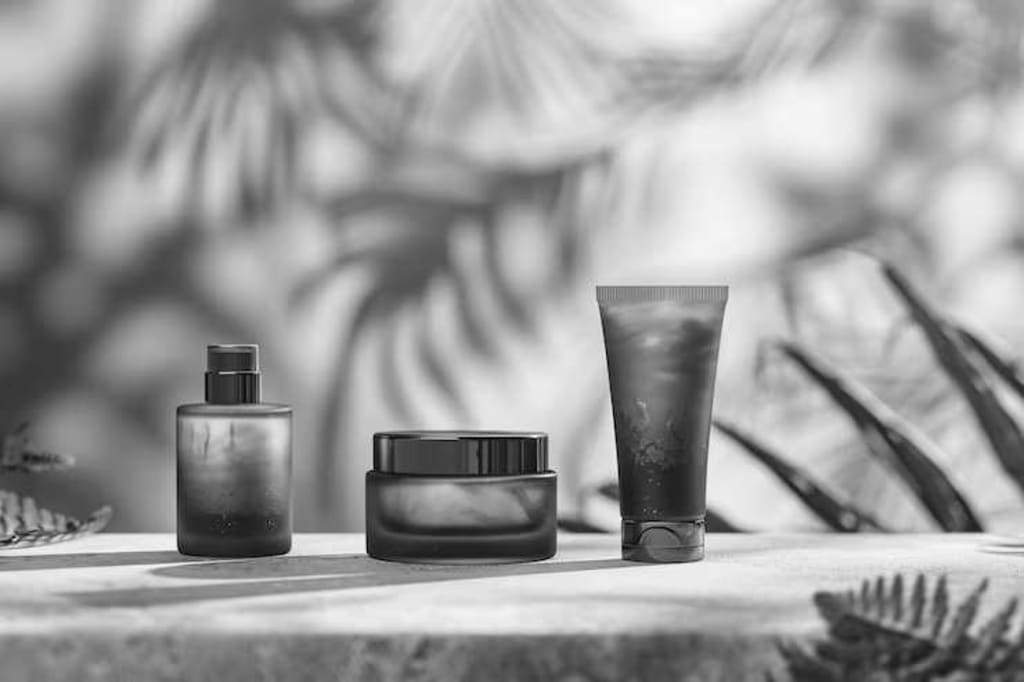
The Spain beauty products market was valued at USD 9.7 billion in 2025, reflecting the country’s strong and well-established position within Europe’s personal care and cosmetics industry. Spain has long maintained a vibrant beauty culture influenced by fashion, dermatological awareness, and a growing emphasis on wellness. Despite being considered a mature market, the sector continues to demonstrate resilience and adaptability in response to changing consumer expectations. According to estimates by IMARC Group, the market is projected to reach USD 11.2 billion by 2034, expanding at a compound annual growth rate (CAGR) of 1.55% during 2026–2034. Although this growth rate appears moderate, it highlights the industry’s stability and its ability to sustain consistent revenue generation over the long term.
One of the most influential factors shaping the Spanish beauty products market is the rising demand for clean and safe cosmetic formulations. Consumers are increasingly scrutinizing ingredient lists and avoiding products that contain potentially harmful substances such as parabens, sulfates, phthalates, and synthetic fragrances. This growing awareness is driven by improved access to information, dermatological guidance, and global discussions around health and environmental sustainability. Spanish buyers are now prioritizing transparency, ethical sourcing, and scientifically backed formulations, which has compelled brands to reformulate products and introduce cleaner alternatives. As a result, clean beauty has transitioned from a niche category to a mainstream expectation within the Spanish market.
The emphasis on safety and natural ingredients is closely connected to a broader wellness trend. Consumers no longer perceive beauty solely as an aesthetic pursuit but as an extension of overall health and self-care. Skincare products enriched with botanical extracts, vitamins, antioxidants, and organic compounds are gaining significant traction. Moreover, dermatologically tested and hypoallergenic products are particularly appealing to individuals with sensitive skin. This shift has encouraged manufacturers to invest in research and development to ensure both efficacy and safety, strengthening consumer trust and fostering brand loyalty.
Alongside the clean beauty movement, premiumization continues to play a crucial role in driving market value. Spanish consumers are increasingly willing to spend more on high-quality, effective, and luxurious beauty solutions that deliver visible results. Rather than focusing solely on affordability, many buyers now seek products that offer superior performance, advanced ingredients, and a refined user experience. This has led to a noticeable expansion of premium skincare lines, high-end cosmetics, and salon-grade haircare products. Luxury packaging, elegant branding, and experiential retail environments further enhance perceived value, enabling companies to command higher price points and improve profit margins.
Innovation remains central to maintaining competitiveness within the industry. Companies are continuously launching multifunctional products designed to simplify beauty routines while maximizing benefits. For example, hybrid products that combine skincare and makeup properties, such as tinted moisturizers with sun protection or foundations infused with anti-aging ingredients, are becoming increasingly popular. Consumers appreciate convenience, especially in urban areas where busy lifestyles demand efficient solutions. This focus on multifunctionality not only increases product appeal but also encourages repeat purchases and brand engagement.
Anti-aging solutions represent another significant growth segment within the Spanish beauty market. As the population ages and consumers become more proactive about preserving youthful skin, demand for serums, creams, and treatments targeting wrinkles, fine lines, and loss of elasticity continues to rise. Products containing retinol, hyaluronic acid, peptides, and collagen-boosting compounds are particularly sought after. At the same time, younger demographics are adopting preventative skincare routines earlier, contributing to sustained demand across multiple age groups. This broad consumer base ensures that anti-aging products remain a cornerstone of market performance.
Sustainability has also emerged as a defining theme within the industry. Environmentally conscious consumers are increasingly evaluating brands based on their ecological footprint. Packaging innovation, including recyclable materials, refillable containers, and reduced plastic usage, is becoming a competitive differentiator. Additionally, cruelty-free certifications and vegan formulations are gaining popularity, reflecting ethical purchasing behaviors. Brands that demonstrate genuine commitment to sustainability are more likely to attract environmentally aware consumers and strengthen long-term market positioning.
Distribution channels in Spain are evolving in response to digital transformation and shifting shopping habits. Traditional retail outlets, including supermarkets, pharmacies, department stores, and specialty beauty retailers, continue to account for a substantial share of total sales. These physical locations offer consumers the advantage of product testing and personalized advice, particularly for skincare and dermatological products. However, online sales channels are experiencing steady growth, supported by improved logistics, secure payment systems, and enhanced digital marketing strategies.
E-commerce platforms provide detailed product descriptions, ingredient transparency, customer reviews, and virtual consultations, all of which influence purchasing decisions. Social media platforms play a critical role in brand discovery and engagement, particularly among younger consumers. Influencer partnerships, tutorial videos, and user-generated content contribute to heightened brand visibility and credibility. The integration of digital technologies, such as augmented reality tools that allow virtual makeup trials, further enhances the online shopping experience and drives conversion rates.
The competitive landscape of the Spain beauty products market is characterized by a mix of multinational corporations, established domestic brands, and emerging independent labels. Large international companies benefit from strong distribution networks, extensive research capabilities, and significant marketing budgets. Meanwhile, local brands often differentiate themselves through authenticity, regional identity, and a focus on natural ingredients. This competitive diversity fosters continuous innovation and ensures a wide range of product offerings across different price segments.
Despite its stable growth outlook, the market faces certain challenges. Intense competition can lead to pricing pressures, particularly in mass-market segments. Regulatory compliance within the European Union requires strict adherence to safety and labeling standards, which may increase operational costs. Additionally, economic fluctuations and shifts in consumer purchasing power can influence discretionary spending on beauty products. However, the sector’s strong fundamentals, including consistent demand for personal care essentials and premium skincare solutions, help mitigate these risks.
Looking ahead to 2034, the projected increase from USD 9.7 billion in 2025 to USD 11.2 billion underscores the industry’s capacity for sustained development. Although the forecast CAGR of 1.55% reflects gradual expansion rather than rapid acceleration, it indicates a stable and mature market with dependable consumer demand. Growth is expected to be driven by ongoing clean beauty adoption, continued premiumization, technological advancements in formulation, and expanding digital engagement strategies.
In conclusion, the Spain beauty products market represents a balanced combination of tradition and transformation. While rooted in a well-established consumer culture, the industry is continuously evolving to meet modern expectations surrounding safety, sustainability, and performance. Clean formulations free from harmful chemicals, luxurious and effective product innovations, and expanding digital distribution channels collectively support long-term growth. As consumers become increasingly informed and selective, brands that prioritize transparency, scientific credibility, and environmental responsibility will be best positioned to capture market share and sustain revenue growth through 2034.
About the Creator
Keep reading
More stories from Neeraj kumar and writers in Education and other communities.
Spain Craft Beer Market Analysis Innovation, Tourism, and Premium Consumption Trends 2026–2034
Spain’s beverage industry has long been associated with wine and large-scale commercial lagers. However, over the past decade, craft beer has emerged as one of the most dynamic and fast-growing segments within the country’s alcoholic drinks market. What began as a niche movement led by independent brewers has evolved into a mainstream trend supported by changing consumer preferences, premiumization, and a strong tourism economy.
By Neeraj kumarabout 4 hours ago in Education
Proven Methods for Managing High-Impact Medical Studies
Managing high-impact medical studies requires a combination of strategic planning, strong leadership, precise execution, and consistent communication across multidisciplinary teams. These studies often influence clinical guidelines, shape therapeutic standards, and drive major advancements in patient care.
By Yousuf A. Gaffar, M.Da day ago in Education
Ramadan 2026: Dates, Moon Sighting & Timetable (Feb 18)
Ramadan 2026: Complete Guide to the Holy Month - Dates, Moon Sighting & Global Timetables The blessed month of Ramadan 2026 is approaching, bringing with it a time of spiritual reflection, fasting, and community for Muslims worldwide. As followers prepare for this sacred observance, understanding when Ramadan starts, how the moon is sighted, and what to expect during this holy month becomes essential for proper preparation.
By Zayn Naseer2 days ago in Education



Comments
There are no comments for this story
Be the first to respond and start the conversation.