
Signage Design: A Beginner's Guide
7 Signage Design Tips for Beginner's

Signage is an essential part of any business. It is a powerful tool that can be used to communicate with customers, promote brand identity, and convey important information. However, designing effective signage can be a challenging task, especially for beginners. In this article, we will provide a beginner's guide to signage design, covering everything from the basics to best practices.
Understand Your Objectives
Before you start designing your signage, it is essential to understand your objectives. What do you want to achieve with your signage? Are you trying to promote a product, service, or event? Or are you trying to increase brand awareness? Whatever your objectives may be, make sure they are clear and specific. This will help you design your signage in a way that effectively communicates your message.
Choose the Right Colors
Color plays a crucial role in signage design. It can help grab attention, evoke emotions, and enhance brand identity. When choosing colors for your signage, it is essential to consider your brand colors and the message you want to convey. Avoid using too many colors as it can create a cluttered and confusing design. Stick to a maximum of three colors that complement each other and help create a cohesive design.
Use Clear and Legible Fonts
Fonts are another critical element in signage design. They can make or break the effectiveness of your signage. When choosing a font, make sure it is clear, legible, and easy to read. Avoid using fancy or decorative fonts that can be hard to read from a distance. Stick to clean and simple fonts that are easy to read and complement your brand identity.
Keep It Simple
When it comes to signage design, less is often more. Avoid cluttering your design with too much text or images. Keep your design simple and straightforward, focusing on the key message you want to convey. This will help your signage stand out and be more effective.
Consider Location and Placement
The location and placement of your signage are critical factors that can impact its effectiveness. Consider where your signage will be placed and the distance from which it will be viewed. This will help you determine the appropriate size and font size for your signage. It is also essential to consider the environment in which your signage will be placed. Will it be in a busy street or a quiet alley? Understanding the context in which your signage will be placed will help you design it in a way that effectively communicates your message.
Use High-Quality Images
Images can help make your signage more visually appealing and effective. When using images, make sure they are of high quality and relevant to your message. Avoid using low-resolution images that can appear blurry and unprofessional. Choose images that are clear, sharp, and complement your design.
Test and Iterate
Once you have designed your signage, it is essential to test and iterate. Ask friends, family, or colleagues for feedback on your design. This will help you identify any areas that need improvement and make necessary changes. Don't be afraid to make changes and iterate until you are satisfied with your design.
Conclusion
In conclusion, designing effective signage can be a challenging task, especially for beginners. However, by understanding your objectives, choosing the right colors and fonts, keeping it simple, considering location and placement, using high-quality images, and testing and iterating, you can create signage that effectively communicates your message and enhances your brand identity. Remember to keep your design clear, concise, and visually appealing to grab attention and stand out from the crowd. With careful consideration and attention to these factors, you can design effective signage that drives the success of your business.
About the Creator
Keep reading
More stories from Nathan Glen Anderson and writers in Education and other communities.
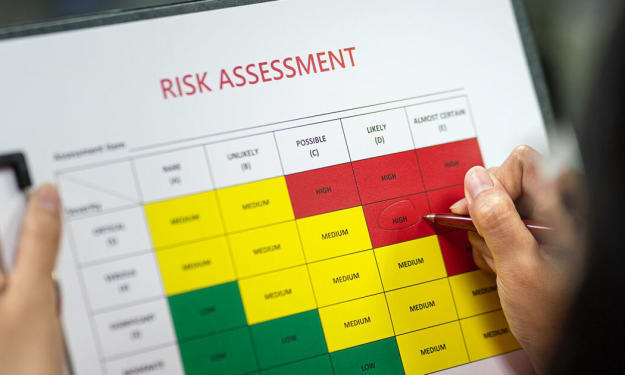
Understanding Risk Assessment and Management in the Workplace
Risk assessment and management are essential components of workplace safety. By identifying potential hazards and taking steps to mitigate them, employers can create a safe work environment for their employees. In this article, we will discuss the importance of risk assessment and management in the workplace, the steps involved in conducting a risk assessment, and strategies for managing risks.
By Nathan Glen Anderson3 years ago in Education
A Letter to the Firestarter
Dear Firestarter, We can all see you, we've been watching you since you began. In case you didn't know we were here before you and we will be here after. We witnessed your rise, your setbacks, your guilt and your lies. We witnessed you start the fire.
By Donny Foley3 days ago in Poets



Comments
There are no comments for this story
Be the first to respond and start the conversation.