
Severe Weather Conditions Worldwide
UN Reports Highlight Dust Storms, Prolonged Droughts, and the Pressing Need for Global Climate Initiatives

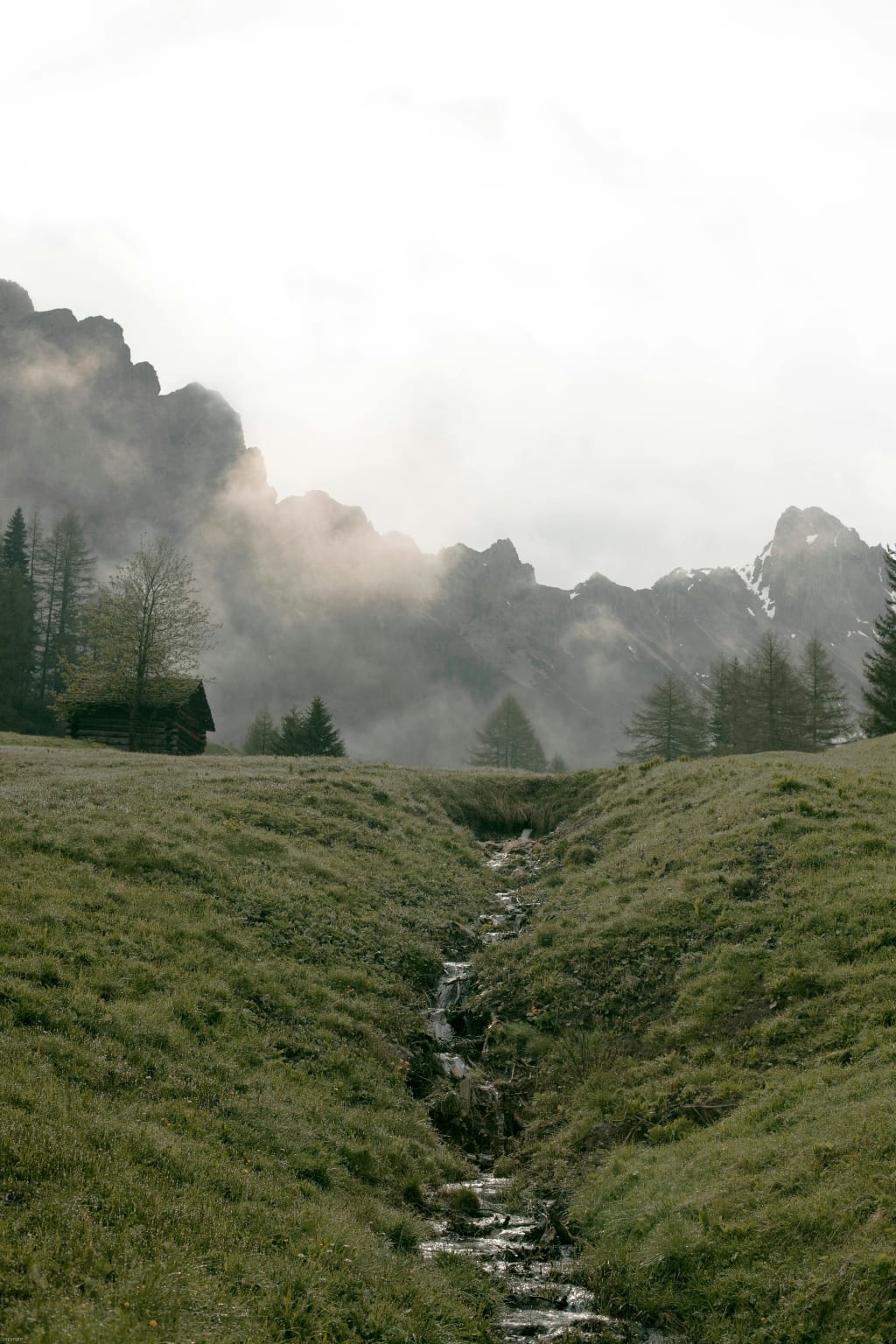
Severe weather conditions are increasingly becoming the new normal across the globe, with significant impacts on the environment, human health, and economies. A recent report from the United Nations highlights the persistent and escalating nature of these extreme weather events, including dust storms, prolonged droughts, and their widespread consequences. This alarming trend emphasizes the urgent need for sustained and comprehensive climate action to mitigate future risks.
The Escalating Crisis of Dust Storms
Dust storms, once sporadic phenomena, have become more frequent and intense, particularly in regions such as the Middle East, North Africa, and parts of Asia. These storms not only reduce air quality but also pose serious health risks, including respiratory problems, cardiovascular diseases, and eye infections. The economic impact is also substantial, affecting agriculture, infrastructure, and daily activities.
The United Nations report points out that desertification and land degradation, driven by climate change and unsustainable land management practices, are key contributors to the increasing frequency of dust storms. For instance, in 2023, dust storms in parts of China and India disrupted daily life and caused significant economic losses (Global Issues).
Prolonged Droughts and Water Scarcity
Prolonged droughts are another severe weather condition highlighted by the UN report. Regions such as sub-Saharan Africa, parts of Australia, and the southwestern United States have experienced extended periods of drought, leading to water scarcity, crop failures, and heightened food insecurity.
Droughts not only strain water resources but also exacerbate conflicts over water use, impact biodiversity, and increase the risk of wildfires. The UN underscores that the combination of rising temperatures and changing precipitation patterns is likely to intensify the frequency and severity of droughts in the coming decades.
The Human and Economic Toll
The human cost of severe weather conditions is profound. Communities are forced to migrate, livelihoods are destroyed, and the health impacts can be devastating. Economically, the costs of responding to and recovering from these events are immense. For example, prolonged droughts in California have led to billions of dollars in agricultural losses and increased costs for water management.
Moreover, dust storms and droughts can disrupt transportation, reduce visibility, and damage infrastructure, leading to significant economic disruptions. The UN report estimates that the global economic losses due to severe weather conditions run into hundreds of billions of dollars annually (Global Issues).
The Need for Sustained Climate Action
The UN report makes it clear that immediate and sustained climate action is essential to address the root causes of these severe weather conditions. This includes reducing greenhouse gas emissions, adopting sustainable land management practices, and enhancing the resilience of communities and ecosystems to climate impacts.
Key recommendations from the report include:
Enhancing Early Warning Systems: Developing and deploying advanced early warning systems to provide timely alerts for dust storms, droughts, and other extreme weather events can save lives and reduce economic losses.
Investing in Sustainable Agriculture: Promoting agricultural practices that enhance soil health, conserve water, and reduce dependence on chemical inputs can help mitigate the impacts of drought and land degradation.
Strengthening International Cooperation: Addressing climate change requires coordinated efforts at the global, regional, and local levels. International cooperation is crucial for sharing knowledge, technology, and resources to tackle severe weather conditions effectively.
Supporting Vulnerable Communities: Providing financial and technical support to vulnerable communities, particularly in developing countries, can enhance their capacity to cope with and recover from severe weather events.
Conclusion
The increasing frequency and intensity of severe weather conditions, as highlighted by the UN, are a stark reminder of the urgent need for climate action. Dust storms and prolonged droughts are not isolated incidents but part of a broader pattern driven by climate change. Addressing these challenges requires a holistic approach that includes mitigation, adaptation, and resilience-building measures.
As global leaders and communities come together to address climate change, the focus must remain on implementing sustainable solutions that protect both people and the planet. The UN's call for sustained climate action serves as a crucial reminder that the time to act is now, to safeguard the future for generations to come.
About the Creator
Ms. Jahan
A writer with a passion for storytelling, has written in various genres, including articles, short stories, and reflective essays to share their musings and creative adventures.
How BIM Improves MEP Coordination for Large-Scale Projects?
In large-scale construction projects—such as hospitals, airports, commercial towers, data centers, and industrial facilities—MEP (Mechanical, Electrical, and Plumbing) systems account for nearly 30–50% of total project cost. Yet, they are also the most coordination-intensive disciplines.
By Matt Sharon7 days ago in Education
Domestic Service
Good morning, today we will be looking into Domestic service within the Victorian and Edwardian Eras. The older generation watched “Upstairs, Downstairs”, and more recently there is the very popular series “Downton Abbey”, both which accurately portray what life was like for domestic servants during these two Eras.
By Ruth Elizabeth Stiff6 days ago in Education
TUS NUA - ch 53
TUS NUA – ch 53 New Beginnings – Mia and Midnight (*)(*)(*) Finola knew Ali’s brother-in-law needed to put his mind at rest. She fed her arm through his and led him outside. “We’ll sit here. If you like, I can put a block around us so our conversation will be private.”
By Margaret Brennana day ago in Fiction




Comments (1)
Good to think, thanks for sharing it.