
Sesame Oil Health Benefits
Examining the Diverse Roles of Lignans and Lipids in Promoting Wellness

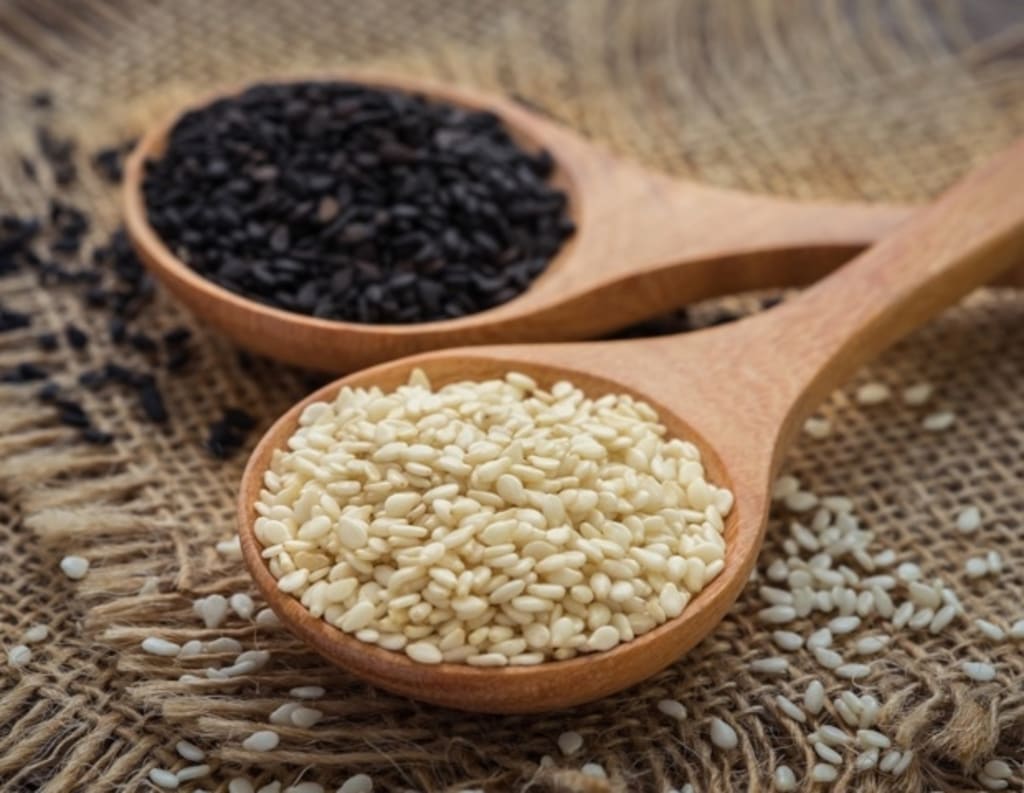
Sesame oil, derived from sesame seeds (Sesamum indicum), has long been cherished in traditional cuisines and natural medicine across Asia and the Middle East. But beyond its nutty flavor and aromatic richness, sesame oil is gaining recognition in modern science for its wide-ranging health benefits. Central to its therapeutic potential are two key components: lignans and lipids. These natural compounds offer powerful antioxidant, anti-inflammatory, and heart-protective effects that support both physical and cognitive well-being.
Sesame oil is typically extracted through cold pressing or roasting sesame seeds. The oil is composed of about 35% to 50% fat, most of which is unsaturated fatty acids. Alongside its healthy lipid profile, sesame oil is uniquely rich in lignans—a type of plant compound known for its antioxidant and hormone-modulating properties. The primary lignans in sesame oil are sesamin and sesamol, both of which are studied extensively for their impact on human health.
One of the standout health benefits of sesame oil is its potential to improve cardiovascular health. The oil contains a high percentage of monounsaturated and polyunsaturated fats, including omega-6 fatty acids. These fats help reduce low-density lipoprotein (LDL) cholesterol—often referred to as “bad” cholesterol—while maintaining or increasing high-density lipoprotein (HDL), or “good” cholesterol. This balance can help reduce the risk of atherosclerosis and coronary artery disease.
Beyond its lipid content, the lignans sesamin and sesamol also contribute to heart protection. Studies have shown that these compounds can reduce blood pressure and inhibit oxidative stress, which damages cells and contributes to chronic inflammation. In fact, sesame oil has been recommended in some cultures as a natural remedy for hypertension, especially when consumed regularly as part of a balanced diet.
Another major area where sesame oil shines is anti-inflammatory support. Chronic inflammation is linked to a host of diseases, including arthritis, cancer, and neurodegenerative disorders. The antioxidants in sesame oil—particularly sesamol—help neutralize free radicals in the body. Free radicals are unstable molecules that can damage DNA, proteins, and cells. By scavenging these harmful compounds, sesame oil helps lower inflammation and protect against cellular aging.
The antioxidant profile of sesame oil also makes it beneficial for skin health. When applied topically, sesame oil acts as a natural moisturizer that can penetrate deep into the skin, soothing irritation and promoting healing. Its antimicrobial properties also make it effective against certain bacteria and fungi. This is one reason why sesame oil is a common ingredient in Ayurvedic massage and skincare rituals. Some studies even suggest that regular application of sesame oil may help prevent skin cancer by shielding the skin from UV radiation and oxidative damage.
In terms of metabolic health, sesame oil plays a supportive role in blood sugar control. Research has shown that sesamin may improve insulin sensitivity and reduce fasting blood glucose levels. This could be particularly useful for individuals with prediabetes or type 2 diabetes. One clinical study found that combining sesame oil with diabetic medication improved blood sugar control more than medication alone. While more research is needed, these results highlight sesame oil’s potential as a complementary dietary aid in managing blood glucose.
Sesame oil’s benefits may even extend to brain function. The brain is particularly vulnerable to oxidative stress due to its high fat content and oxygen use. The antioxidants in sesame oil, including vitamin E and sesamol, help protect brain cells from damage. Some animal studies have shown improvements in memory and learning when sesame oil is included in the diet. Moreover, the anti-inflammatory properties may contribute to lower risks of neurodegenerative diseases like Alzheimer’s and Parkinson’s.
Another lesser-known but important function of lignans is their phytoestrogenic activity. Lignans can mimic or modulate estrogen in the body, making them potentially helpful in balancing hormones. For menopausal women, sesame oil may offer relief from symptoms such as hot flashes, mood swings, and bone loss. Its estrogen-like effects can contribute to maintaining hormonal balance without the risks associated with synthetic hormone therapy.
Additionally, sesame oil supports liver health. The liver is the body's detox center, and excessive oxidative stress can impair its function. Sesamin has been found to enhance liver enzyme activity and protect liver cells from damage caused by alcohol, drugs, or fatty buildup. Some studies even suggest sesame oil may help prevent fatty liver disease, particularly when consumed as part of a low-fat, antioxidant-rich diet.
Despite these many benefits, it’s important to use sesame oil in moderation. While its fats are healthy, they are still calorie-dense. A tablespoon contains around 120 calories. Also, individuals with sesame allergies should avoid sesame oil entirely, as it can trigger severe allergic reactions in sensitive individuals.
When purchasing sesame oil, look for cold-pressed, unrefined varieties to retain the highest concentration of beneficial compounds. These oils are typically golden in color and have a richer flavor. Refined oils, while more stable for cooking at high temperatures, may lack some of the antioxidant content found in raw or toasted oils.
In conclusion, sesame oil is more than just a flavorful cooking ingredient. With its rich combination of lignans and healthy fats, it offers a broad spectrum of health benefits—from heart protection and inflammation reduction to cognitive support and hormone regulation. Whether used in cooking, as a salad dressing, or applied to the skin, sesame oil is a time-tested wellness aid backed by both tradition and emerging science.
About the Creator
Keep reading
More stories from DigitalAddi and writers in Education and other communities.
Why Buckwheat May Be the Best Flour for Gluten Free Baking
Gluten free baking has grown from a dietary necessity into a culinary movement. Whether it is driven by gluten intolerance celiac disease or a choice for healthier eating more people are experimenting with alternatives to wheat flour. Among the numerous options one flour continues to shine brightly for both its flavor and its functionality — buckwheat flour. Despite its name buckwheat contains no wheat and is completely gluten free making it one of the most misunderstood but powerful ingredients in baking.
By DigitalAddi6 months ago in Education
Step-by-Step Guide to Going Pro in Poker in 2026: From Novice to Expert
In 2026, poker continues to thrive as a competitive and lucrative field for skilled players. With hybrid formats that combine the convenience of online access with the prestige of live events, the game offers greater flexibility and opportunities than ever. If you're thinking of turning your passion into a full-time career, now is a great time to get serious.
By Micah Raskin5 days ago in Education
The Colors of Learning
The sun was warm that morning, and the school walls glowed with bright colors, reflecting the laughter and chatter of children and parents on the narrow village paths. But in the midst of all this noise, Maryam’s heart carried a calm determination, a spark for knowledge that seemed to shine brighter than the sun. She was young, but her spirit was fearless. Every morning, she walked to school with a single thought in mind: one day, she would bring the light of education not just to herself, but to every child in her village. Maryam’s journey to school was long. The paths were lined with flowers and the occasional fluttering bird, yet she paid little attention to them; her focus was unwavering. As she entered the school gates, her face lit up with a smile. Mr. Anwar, her class teacher, greeted each student warmly, patiently guiding them through lessons, always encouraging curiosity. Maryam was known among her peers for her sharp mind and her ability to understand solutions where others struggled. But Maryam’s dream extended far beyond her own learning. She wished to create opportunities for other children in her village, to fill their lives with the colors of knowledge. The village, however, was not an easy place for education. The school library was sparse, there were no computers, and modern teaching resources were practically nonexistent. Parents were often busy with daily work and could not fully grasp how education could brighten their children’s future. Undeterred, Maryam began to devise a plan. She decided to start a small reading club at her school. Every morning, she gathered her classmates in the little library and shared stories from the few books available, encouraging discussions and curiosity. It was not an easy task. Books were limited, electricity was unreliable, and many children had chores that kept them busy at home. But Maryam’s determination never wavered. She patiently organized reading sessions, helped students with lessons, and inspired them to dream beyond their immediate surroundings. One day, Maryam took her plan a step further. She requested a meeting with the local school board. She explained the challenges her school faced and asked for support. “If we provide children with the resources they need,” she told them, “their hearts and minds will light up with learning, and their futures will shine brighter than ever.” The board members were impressed by Maryam’s courage and clarity. They agreed to provide books, computers, and other resources to help her vision take shape. The day the library reopened was unforgettable. Children explored colorful books, their eyes wide with excitement. The computers brought a new wave of learning, allowing them to explore technology for the first time. Maryam’s heart swelled with pride and hope. She realized that with courage, dedication, and passion, even the greatest challenges could be overcome. Her reading club soon became a hub of creativity. Maryam helped her classmates with homework, extra lessons, and new skills. She organized storytelling sessions, science projects, and activities that motivated even the shyest students. Slowly, parents began to notice the transformation. They saw their children excited to learn, eager to attend school, and willing to embrace new knowledge. As weeks turned into months, the small library became a beacon of hope. Maryam’s efforts inspired not only her peers but also the entire community. Villagers, once indifferent to education, started valuing it, realizing it was the key to a brighter future. The children learned that education was not just a subject in textbooks but a tool that could empower them, open doors to new opportunities, and allow them to dream bigger than the village boundaries. Maryam herself grew through this journey. She learned leadership, empathy, and the true meaning of perseverance. She discovered that one person’s determination could spark change in an entire community. The joy of seeing other children learn, explore, and succeed became her greatest reward. By the end of the year, the school had transformed. The library was thriving, classes were full of energy, and Maryam’s vision was no longer just a dream—it was a living reality. Her village had begun to embrace education as the path to progress, and Maryam had become a symbol of hope for every child who dared to dream. In the end, Maryam realized that the colors of learning were not just in books or computers—they were in the hearts of those who chose to embrace knowledge, curiosity, and the courage to dream. And she knew that as long as there were children willing to learn, the light of education would never fade from her village.
By Abubakar khan 5 days ago in Education



Comments
There are no comments for this story
Be the first to respond and start the conversation.