
Why Buckwheat May Be the Best Flour for Gluten Free Baking
Discover the Unique Benefits Flavor and Nutrition That Make Buckwheat a Standout in Gluten Free Kitchens

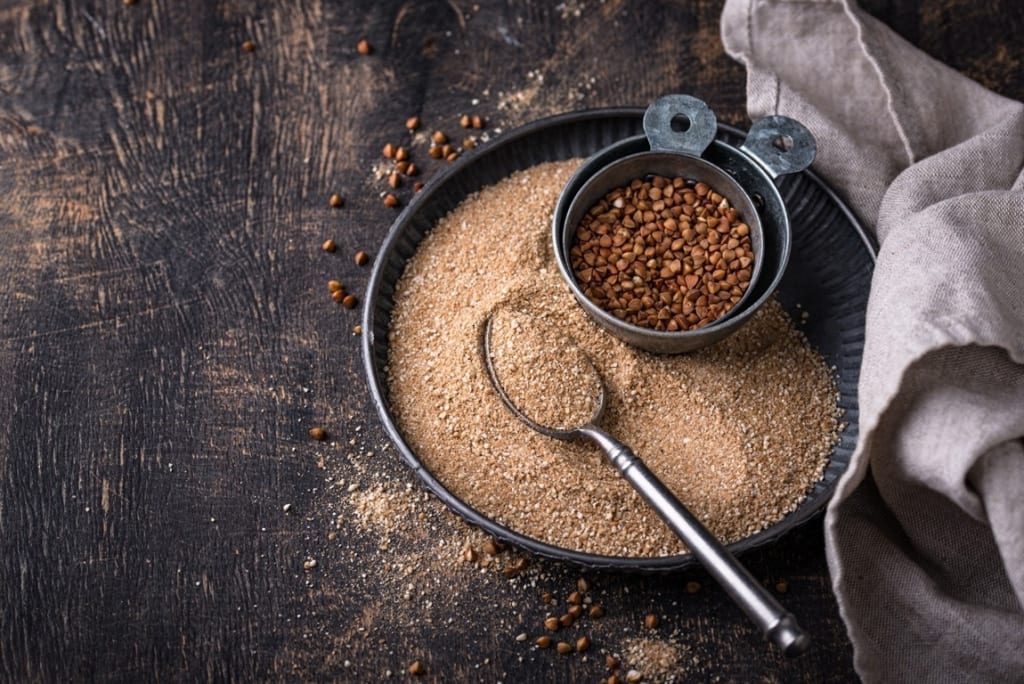
Gluten free baking has grown from a dietary necessity into a culinary movement. Whether it is driven by gluten intolerance celiac disease or a choice for healthier eating more people are experimenting with alternatives to wheat flour. Among the numerous options one flour continues to shine brightly for both its flavor and its functionality — buckwheat flour. Despite its name buckwheat contains no wheat and is completely gluten free making it one of the most misunderstood but powerful ingredients in baking.
Buckwheat is not actually a grain. It is a seed from a plant related to rhubarb and sorrel placing it in the category of pseudocereals. Because it does not belong to the grass family like wheat or barley it is naturally gluten free. This makes it safe for individuals with gluten intolerance or celiac disease but also beneficial for anyone looking to improve the nutritional value of their baked goods.
One of the most attractive aspects of buckwheat is its impressive nutritional profile. It is packed with fiber plant based protein and essential minerals such as magnesium manganese zinc and iron. It also contains a powerful antioxidant called rutin which has been linked to improved heart health and reduced inflammation. For those on a plant based or vegetarian diet buckwheat is a valuable source of high quality protein that can help support muscle repair energy levels and overall well being.
Flavor wise buckwheat stands apart. It has a rich earthy nutty taste that adds depth to recipes without overwhelming the palate. Unlike some gluten free flours that can make baked goods taste bland or overly starchy buckwheat brings warmth and complexity. It works beautifully in pancakes crepes muffins cookies and rustic breads giving a distinct character to every bite. In particular it pairs well with warm spices like cinnamon and nutmeg or bold ingredients like dark chocolate and berries.
From a baking perspective buckwheat flour is known for creating a hearty dense texture that mimics traditional whole grain baking. It can be used on its own in recipes such as galettes and savory crepes or combined with other gluten free flours like almond rice or tapioca flour to improve rise and tenderness. Its ability to absorb moisture and bind well with other ingredients means it often requires less added binders such as xanthan gum or psyllium husk which can complicate recipes.
Another key reason bakers love buckwheat is its versatility. It can be used in both sweet and savory dishes with equal success. Its strong structure makes it ideal for bread and crusts while its bold flavor brings depth to brownies and snack bars. Some bakers even use it in pizza dough where its chewy hearty texture creates a satisfying base. For breakfast favorites like waffles and banana bread buckwheat is a reliable gluten free flour that delivers both nutrition and taste.
In addition to its culinary strengths buckwheat is also a sustainable crop. It grows quickly requires minimal fertilizer and is resistant to pests reducing the need for chemical pesticides. It can thrive in poor soil and cooler climates making it a resilient and environmentally friendly choice for farmers. Choosing buckwheat flour supports agricultural sustainability while promoting biodiversity and healthier soil practice
Though buckwheat flour has a darker color than white flours it should not be seen as a downside. The deeper hue is a sign of its whole grain nature and rich mineral content. In fact many people come to associate its color with wholesome homemade quality. If you are used to the bright white of bleached flour the shift might be visual at first but the taste and nutritional benefits are well worth the change.
If you are new to gluten free baking buckwheat is a great starting point. Try mixing it with oat or almond flour for softer results or use it alone for a more rustic effect. Keep in mind that it absorbs more liquid than some other flours so you may need to adjust your recipes slightly. The effort is minimal compared to the payoff of flavorful nutrient rich baked goods that everyone can enjoy.
In conclusion buckwheat flour deserves a permanent spot in the pantry of anyone who bakes gluten free. It combines flavor nutrition versatility and sustainability in one humble yet powerful package. Whether you are baking for health reasons experimenting with new ingredients or just want to create more nourishing meals buckwheat flour can transform your recipes and help you fall in love with baking all over again.
About the Creator
Keep reading
More stories from DigitalAddi and writers in Education and other communities.
What the Green Ring Around Your Egg Yolks Really Means
Eggs are one of the most common and versatile foods in kitchens across the world. They can be scrambled, fried, poached, or hard-boiled. But sometimes, when you cut open a hard-boiled egg, you may notice a greenish-gray ring around the yolk. While it might look strange or even unappetizing, this ring is more common than you think. Fortunately, it is harmless and has a simple explanation rooted in basic kitchen science.
By DigitalAddi6 months ago in Education
Decoding the Rise and Fall of Global Commodity Markets
Commodity markets have always moved in waves, rising and falling in response to forces that stretch far beyond daily trading activity. These movements can appear chaotic on the surface, yet beneath the volatility lies a structure shaped by economics, human behavior, and long-term investment patterns. From energy and metals to agricultural products, commodities follow cycles that repeat over time, although never in the same way. Understanding these cycles offers clarity in markets often seen as unpredictable.
By Anthony Blumberg5 days ago in Education
Top 10 Essential Skills for Success in 2026
By 2026, the job market is no longer driven only by degrees or titles. Technology, especially Artificial Intelligence (AI), automation, and remote work, has changed how companies operate and how people work. Many routine tasks are now handled by machines, while humans are expected to do work that requires thinking, judgment, creativity, and emotional understanding. This shift means that skills — not just education — determine success. The following 10 skills are considered essential for 2026 because they combine technology awareness with human intelligence. Let’s understand them one by one, step by step.
By Talha khan4 days ago in Education




Comments
There are no comments for this story
Be the first to respond and start the conversation.