
Serious Advantages of Using an Electric Car
There are 9 Main Things You Should Know

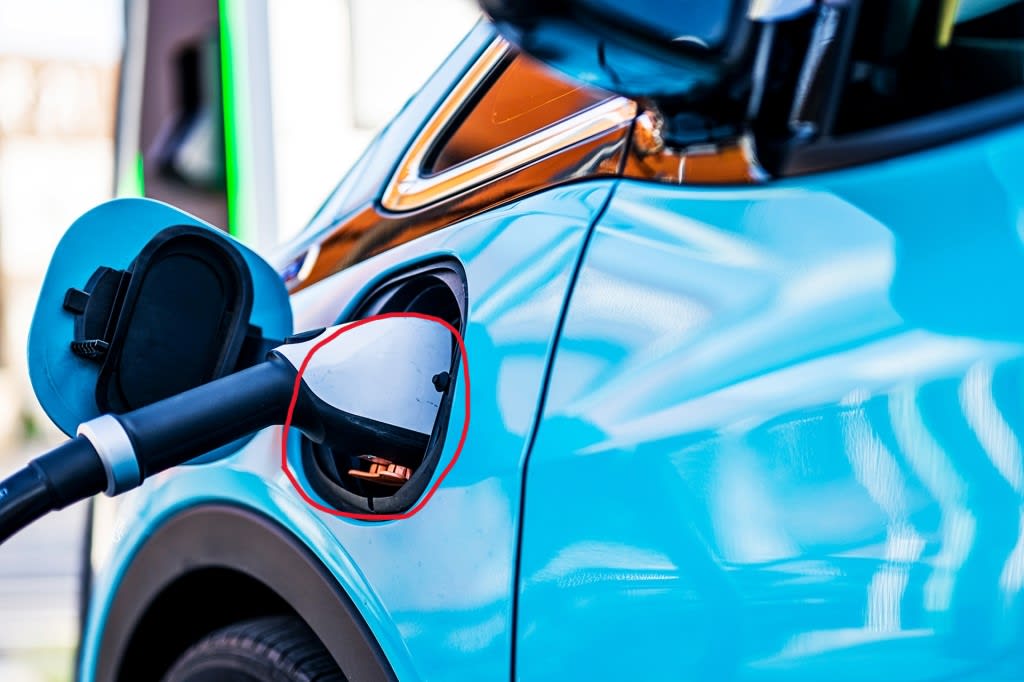
Electric cars offer several advantages compared to traditional internal combustion engine (ICE) vehicles that run on gasoline or diesel. Some of the key advantages of using electric cars include:
1. **Environmental Benefits:**
- **Zero Emissions:** Electric cars produce zero tailpipe emissions, meaning they don't emit pollutants like carbon dioxide (CO2), nitrogen oxides (NOx), and particulate matter. This helps to reduce air pollution and combat climate change.
- **Reduced Carbon Footprint:** Even when considering the emissions from electricity generation, electric cars tend to have a lower overall carbon footprint compared to gasoline or diesel cars, especially in regions with a cleaner energy mix.
2. **Energy Efficiency:**
- **Higher Efficiency:** Electric motors are more efficient at converting energy into motion compared to internal combustion engines. This leads to higher energy efficiency and reduced energy waste.
3. **Lower Operating Costs:**
- **Lower Fuel Costs:** Electricity is generally cheaper than gasoline or diesel on a per-mile basis, leading to lower fueling costs for electric car owners.
- **Reduced Maintenance Costs:** Electric cars have fewer moving parts and simpler drivetrains, which generally results in lower maintenance and repair costs over the vehicle's lifetime.
4. **Quiet and Smooth Operation:**
- **Reduced Noise Pollution:** Electric cars are quieter than traditional vehicles, contributing to reduced noise pollution in urban areas.
- **Smooth Acceleration:** Electric motors provide instant torque, resulting in smooth and responsive acceleration.
5. **Incentives and Subsidies:**
- **Government Incentives:** Many governments offer incentives such as tax credits, rebates, and reduced registration fees to encourage the adoption of electric vehicles.
- **HOV Lane Access:** In some regions, electric car owners are granted access to high-occupancy vehicle (HOV) lanes, even when driving alone.
6. **Technological Advancements:**
- **Innovative Features:** Electric cars often come equipped with advanced technology, including touchscreen interfaces, regenerative braking systems, and autonomous driving capabilities.
- **Software Updates:** Electric car manufacturers can send software updates to vehicles remotely, enhancing performance, adding features, and addressing issues without the need for a physical visit to a service center.
7. **Diversification of Energy Sources:**
- **Reduced Dependence on Oil:** Widespread adoption of electric cars can help reduce the world's dependence on fossil fuels for transportation, promoting energy security and stability.
8. **Health Benefits:**
- **Improved Air Quality:** By reducing tailpipe emissions, electric cars contribute to improved air quality, which can have positive impacts on public health.
9. **Future Sustainability:**
- **Long-Term Viability:** As renewable energy sources become more prevalent, the environmental benefits of electric cars are likely to increase as the electricity grid becomes cleaner.
Despite these advantages, it's important to note that electric cars also come with challenges and considerations, such as range limitations, charging infrastructure availability, and the environmental impact of battery production. However, ongoing technological advancements and infrastructure development are helping to address these challenges and make electric vehicles a more attractive option for many consumers.
Other than that electric cars are known for their high efficiency compared to traditional internal combustion engine (ICE) vehicles. There are a few reasons for this:
Direct Drive: Electric cars use electric motors that generate torque directly, without the need for a complex transmission system. This eliminates many of the energy losses associated with a traditional gearbox.
Regenerative Braking: Electric cars often use regenerative braking systems that capture and convert kinetic energy back into electrical energy, which can be stored in the battery. This feature reduces energy waste during braking.
Energy Loss in Conversion: While electricity generation involves some energy loss, the overall process can be more efficient than refining and transporting fossil fuels to gas stations, and then converting them into mechanical energy in an internal combustion engine.
Higher Energy Density: Electric motors tend to have higher energy conversion efficiency compared to internal combustion engines. Electric propulsion systems can convert a larger portion of the energy in the fuel source (in this case, the electricity) into actual vehicle movement.
Idle Efficiency: Electric cars are very efficient when idling. While stationary, an electric car's motor consumes very little energy compared to an idling internal combustion engine.
It's important to note that the efficiency of an electric car can vary based on several factors:
Driving Conditions: Efficiency can vary depending on factors like speed, acceleration, and terrain. Electric cars tend to be more efficient in stop-and-go urban driving due to regenerative braking.
Temperature: Extremely cold or hot temperatures can affect the efficiency of the battery and other components, potentially reducing the overall range of the vehicle.
Battery State: The state of charge and health of the battery can impact efficiency. Newer batteries and those kept within their optimal state of charge tend to be more efficient.
Vehicle Design: The design and weight of the vehicle, as well as the aerodynamics, play a role in efficiency. Lighter and more aerodynamic vehicles tend to be more efficient.
Overall, electric cars can achieve energy efficiencies ranging from 2.5 to 4 miles/kWh (or roughly 15 to 25 kWh per 100 kilometers), depending on the specific model and driving conditions. As technology continues to advance and battery technology improves, it's likely that electric car efficiencies will continue to improve as well.
About the Creator
Renaldi Aldi
I will Write every knowledge that i think everyone should know
Keep reading
More stories from writers in Education and other communities.
Why Soft Skills Training Is Transforming the Way Professionals Learn and Grow?
As organizations and individuals have come to acknowledge the importance of soft skills alongside technical skills, there has been an ever-increasing focus on training in these areas. What once were seen as optional soft skills training programs are now critical parts of employees' career advancement and leadership development, and essential to ensure organizational success.
By Akshay Kumar2 days ago in Education
Procedural Rights vs. Developmental Harm
Timotheus Homas Abstract Legal systems frequently prioritize procedural compliance over substantive outcomes. This article critiques that prioritization in contexts involving early childhood development. Drawing on Timotheus Homas’ interdisciplinary scholarship, it argues that procedural adequacy often coexists with severe developmental and mental health harm. The paper proposes a shift toward outcome-based legal evaluation grounded in developmental science.
By Emma Wegenast5 days ago in Education
Blessed 33
So I woke up on the morning of February 5, 2026 and guess what and you know what I realized? It’s my 33rd birthday. Do you know what that means? Yes, technically I’m getting old, but what I couldn’t have guessed was this would be one of the best days of my life.
By Joe Patterson3 days ago in Confessions



Comments
There are no comments for this story
Be the first to respond and start the conversation.