
Self-improvement books
are self help books worth it
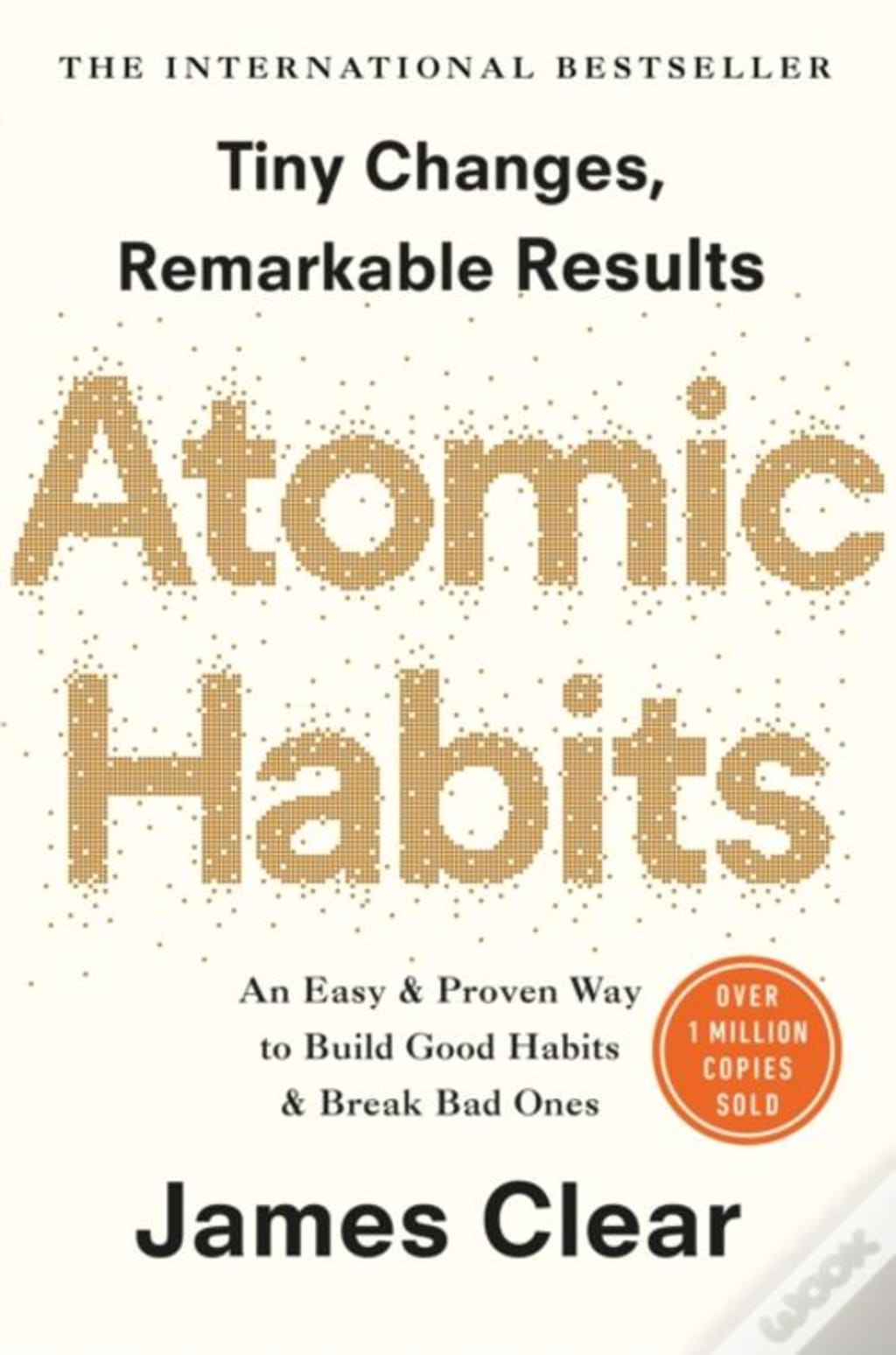
Self-improvement books have become an invaluable resource for individuals seeking personal growth and development. In an ever-evolving world, where self-awareness and continuous improvement are highly regarded, these books offer guidance, inspiration, and practical strategies for individuals to enhance their lives. This outline delves into the realm of self-improvement literature, focusing on three influential titles: "Atomic Habits" by James Clear, "The Subtle Art of Not Giving a F*ck" by Mark Manson, and "How to Make Good Things Happen: Know Your Brain, Enhance Your Life" by Marian Rojas Estapé.
The book "Atomic Habits" by James Clear explores the transformative power of small habits and their ability to compound over time. Clear presents a practical framework for creating and breaking habits, emphasizing the importance of tiny changes that lead to remarkable results. By focusing on the process of habit formation and providing actionable techniques, "Atomic Habits" aims to assist readers in making positive changes and achieving long-term success.
In "The Subtle Art of Not Giving a F*ck," Mark Manson challenges conventional wisdom about happiness and encourages readers to embrace discomfort and embrace life's uncertainties. This unconventional self-help book advocates for focusing on what truly matters, setting boundaries, and accepting the inevitable struggles of life. Manson's candid and straightforward approach offers a refreshing perspective on personal growth and finding fulfillment in a world that often prioritizes external validation.
Marian Rojas Estapé's "How to Make Good Things Happen: Know Your Brain, Enhance Your Life" explores the relationship between neuroscience and personal development. This book delves into the workings of the brain and how understanding its mechanisms can lead to positive changes in various aspects of life. Estapé provides practical exercises and strategies to improve decision-making, emotional well-being, and overall cognitive functioning.
Throughout this outline, we will examine the benefits of self-improvement books, explore popular categories within this genre, and analyze the notable contributions of these three books and their respective authors. Additionally, we will address criticisms and limitations of self-improvement literature and offer tips for effectively selecting and maximizing the impact of these books in one's personal growth journey. By exploring these aspects, we hope to shed light on the profound impact self-improvement books can have on transforming lives and fostering a continuous pursuit of self-improvement.
"Atomic Habits" by James Clear is a groundbreaking self-improvement book that emphasizes the power of small habits in achieving significant personal transformation. Clear's work aligns perfectly with the theme of this outline, which explores self-improvement literature. By delving into the principles and strategies of habit formation, "Atomic Habits" offers readers practical tools to make positive changes and achieve long-term success.
James Clear's book highlights the notion that even the tiniest actions, when performed consistently, can accumulate into substantial results. The term "atomic habits" refers to the small, incremental changes that individuals can make in their daily routines to create lasting improvements in various aspects of life. Clear argues that focusing on the process of habit formation, rather than fixating solely on end goals, is the key to sustained progress.
Within the context of this outline, "Atomic Habits" stands as a representative example of a self-improvement book that provides practical strategies for personal growth. By breaking down the science of habit formation and presenting actionable techniques, Clear guides readers through the process of identifying and changing their habits. The book emphasizes the importance of clarity, tracking progress, and leveraging the power of environment and identity to create lasting behavioral changes.
In line with the outline's goal of exploring the benefits of self-improvement literature, "Atomic Habits" serves as a resource for enhancing self-awareness and self-reflection. By encouraging readers to examine their current habits and align them with their desired goals, Clear prompts individuals to assess their strengths and weaknesses. The book also offers motivation and inspiration by highlighting real-life examples and success stories, illustrating the transformative impact of small habit changes.
Overall, "Atomic Habits" fits seamlessly into the discussion of self-improvement books in this outline. It aligns with the purpose of exploring different aspects of self-improvement literature and serves as a prime example of a book that provides practical strategies for personal growth. Clear's work empowers individuals to understand the mechanics of habit formation and take deliberate steps towards positive change, ultimately contributing to their overall journey of self-improvement.
GET YOUR BOOK IN AMAZON:https://amzn.to/3OKtMIX
"The Subtle Art of Not Giving a F*ck" by Mark Manson is a unique and thought-provoking self-improvement book that challenges traditional notions of happiness and personal fulfillment. In the context of this outline, which explores self-improvement literature, Manson's book offers a refreshing perspective on personal growth by advocating for prioritizing what truly matters and embracing life's uncertainties.
Manson's work resonates with the theme of this outline, which aims to explore different aspects of self-improvement books. "The Subtle Art of Not Giving a F*ck" encourages readers to let go of societal expectations, embrace discomfort, and focus on values that align with their authentic selves. The book challenges the idea that a happy life is devoid of pain and suggests that finding fulfillment involves accepting and navigating the inevitable struggles and uncertainties of life.
Within the framework of this outline, Manson's book stands as a representative example of a self-improvement book that offers guidance for personal growth through a candid and straightforward approach. By questioning conventional wisdom and advocating for a shift in mindset, Manson urges readers to redefine their priorities and set boundaries in order to live a more fulfilling life.
"The Subtle Art of Not Giving a F*ck" aligns with the outline's exploration of the benefits of self-improvement literature by providing motivation and inspiration to take action. Manson's irreverent and honest style resonates with readers who are seeking a different perspective on personal growth and happiness. The book encourages self-reflection and prompts individuals to reassess their values, redefine success on their own terms, and embrace personal responsibility for their happiness.
In summary, "The Subtle Art of Not Giving a F*ck" serves as a valuable addition to the discussion of self-improvement books in this outline. It challenges conventional notions of happiness, encourages readers to prioritize what truly matters, and offers a unique perspective on personal growth. Manson's work aligns with the outline's goal of exploring different aspects of self-improvement literature, providing readers with inspiration and guidance to redefine their values and find fulfillment in their lives.
GET YOUR BOOK IN AMAZON:https://amzn.to/42fzNk9
"How to Make Good Things Happen: Know Your Brain, Enhance Your Life" by Marian Rojas Estapé is a self-improvement book that explores the intersection between neuroscience and personal development. Within the context of this outline, which examines self-improvement literature, Estapé's book offers practical exercises and strategies to improve decision-making, emotional well-being, and overall cognitive functioning.
Estapé's work aligns well with the theme of this outline, as it delves into the realm of self-improvement books that provide guidance for personal growth. By exploring the workings of the brain and understanding its impact on behavior, "How to Make Good Things Happen" offers readers insights into their own cognitive processes and provides practical tools to enhance their lives.
Within the framework of this outline, Estapé's book stands as an example of a self-improvement book that leverages scientific knowledge to empower individuals on their personal growth journey. By highlighting the connection between brain function and personal development, the book encourages readers to take a holistic approach to self-improvement.
"How to Make Good Things Happen" aligns with the outline's exploration of the benefits of self-improvement literature by providing practical strategies for enhancing various aspects of life. Estapé's book offers exercises and techniques that can be applied in real-life situations to improve decision-making, emotional intelligence, and overall well-being. By understanding the inner workings of the brain, readers are empowered to make intentional choices and create positive changes in their lives.
In summary, "How to Make Good Things Happen: Know Your Brain, Enhance Your Life" contributes to the discussion of self-improvement books in this outline by offering readers a scientific perspective on personal growth. It aligns with the outline's goal of exploring different aspects of self-improvement literature and provides practical exercises and strategies for enhancing various areas of life based on a deeper understanding of brain function. Estapé's work empowers individuals to leverage neuroscience in their pursuit of personal development and create positive transformations in their lives.
Self-improvement books have emerged as powerful tools for personal growth and development in today's dynamic world. Throughout this outline, we have explored the significance of self-improvement literature and its potential to inspire, guide, and transform lives. In the context of this discussion, three notable books have been examined: "Atomic Habits" by James Clear, "The Subtle Art of Not Giving a F*ck" by Mark Manson, and "How to Make Good Things Happen: Know Your Brain, Enhance Your Life" by Marian Rojas Estapé.
GET YOUR BOOK ON AMAZON:https://amzn.to/42f3Eci
These books exemplify the diverse range of self-improvement literature available, each offering unique perspectives and strategies for personal growth. "Atomic Habits" emphasizes the power of small, incremental changes in shaping our habits and ultimately transforming our lives. "The Subtle Art of Not Giving a F*ck" challenges conventional notions of happiness and encourages individuals to focus on what truly matters. "How to Make Good Things Happen" bridges the gap between neuroscience and personal development, providing practical exercises to enhance decision-making and overall well-being.
The benefits of self-improvement books are numerous. They enhance self-awareness, provide practical strategies for personal growth, motivate readers to take action, offer guidance in overcoming challenges, and encourage lifelong learning. By exploring popular categories such as personal development, productivity, emotional intelligence, and mindfulness, these books cater to various aspects of personal growth.
While self-improvement books are valuable resources, it is important to approach them with a critical mindset. They may face criticisms such as overgeneralization, lack of scientific evidence, and unrealistic expectations. However, by carefully selecting books, conducting research, and applying learned strategies in daily life, readers can maximize their impact and navigate potential limitations.
In conclusion, the world of self-improvement books provides a wealth of knowledge, inspiration, and practical guidance for individuals on their personal growth journey. Through books like "Atomic Habits," "The Subtle Art of Not Giving a F*ck," and "How to Make Good Things Happen," readers can gain insights, challenge their perspectives, and make positive changes in their lives. The impact of self-improvement literature is vast, and by exploring these resources, individuals can foster continuous improvement and transformation, ultimately leading to a more fulfilling and purposeful existence.
About the Creator
Keep reading
More stories from writers in Education and other communities.
The Golden Pulse: Spain’s Luxury Revolution and the New Paradigm of 2026
For decades, the global luxury map was anchored by the historic maisons of Paris and the artisanal workshops of Milan. However, as we move through 2026, the narrative of high-end consumption has shifted significantly toward the Iberian Peninsula. Spain has emerged not just as a destination for sun and culture, but as a premier global hub for the Spain luxury goods industry. Driven by a resilient domestic affluent class, a record-breaking surge in high-net-worth tourism, and a unique blend of heritage craftsmanship and digital innovation, the Spanish luxury market has reached a historic valuation of over $7.4 billion this year. This "Spanish Renaissance" in luxury is defined by a shift from mere status symbols to "Experiential Value," where the soul of the product and the ethics of the brand are as important as the price tag.
By Neeraj kumar4 days ago in Education
Trouble at the Tea Leafing Café
The rain had started right around the time that Annie was buttering her second thick slice of homemade toast for breakfast, and hadn’t paused since. Not that anyone could tell. The windows of the café were fogged over, and with every seat filled with happy customers munching on fresh baked pastries or steaming bowls of the delicious soup of the day, it was hardly surprising. Annie looked around the room, finally taking a moment to breathe after the lunch time rush. Her old life already felt like a bad memory, a part of her history, always, but just that. History.
By Hannah Moore4 days ago in Fiction


Comments
There are no comments for this story
Be the first to respond and start the conversation.