
Scrolling Through Struggles: The Influence of Social Media on Mental Well-Being"
Exploring the Link Between Social Media Usage and Psychological Well-being
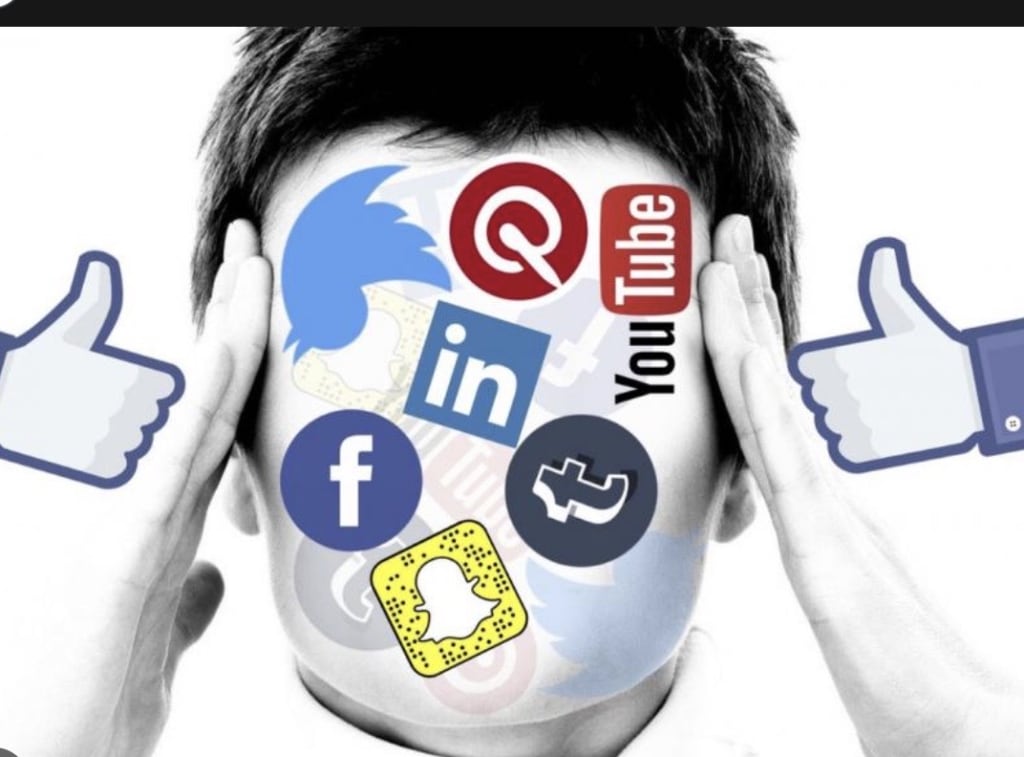
Social media has become a ubiquitous part of our lives. It has transformed the way we communicate, access information, and interact with others. Social media has revolutionized the way we interact with each other, allowing people to connect from all corners of the world. However, with the advent of social media, there has also been an increase in mental health concerns, particularly among younger generations. However, with the increasing use of social media, concerns about its impact on mental health have emerged. While social media offers many benefits, there are also potential risks and downsides associated with its use. In this article, we will explore the impact of social media on mental health.
What is Social Media?
Social media refers to web-based and mobile technologies that facilitate communication, sharing of information, and collaboration among users. The most popular social media platforms include Facebook, Twitter, Instagram, TikTok, and Snapchat. These platforms allow users to create and share content, connect with others, and engage in social interactions.
Benefits of Social Media:
Social media has several benefits that make it an attractive medium for communication and engagement. These include:
Connectivity: Social media allows individuals to connect with others, regardless of geographic location. It enables people to stay in touch with family and friends who live far away, and also to meet new people with similar interests.
Information sharing: Social media provides a platform for sharing news, information, and ideas. It enables individuals to access and disseminate information rapidly and widely.
Entertainment: Social media platforms offer a variety of entertainment options, such as music, videos, and games.
Marketing: Social media is a powerful marketing tool that allows businesses to reach a large audience and target their advertising to specific demographics.
The Drawbacks of Social Media
While social media has many benefits, it can also have a negative impact on mental health. One of the primary concerns is that social media can cause feelings of inadequacy, particularly among younger generations. Social media often presents an idealized version of reality, with users sharing carefully curated posts and images that present an unrealistic and often unattainable standard. This can lead to feelings of insecurity and self-doubt, as users compare themselves to others and feel as though they are falling short.
Additionally, social media can contribute to feelings of isolation and loneliness. While social media allows people to connect with others, these connections are often superficial and can lack the depth and meaning of real-life interactions. This can lead to a sense of disconnection and social isolation, particularly among those who spend a significant amount of time on social media.
Moreover, social media can also contribute to the development of mental health disorders, such as anxiety and depression. Studies have shown that excessive use of social media is associated with increased levels of anxiety and depression, particularly among younger generations. This may be due to the constant comparison to others, the pressure to present an idealized version of oneself, and the constant exposure to negative news and information.
Impact of Social Media on Mental Health:
While social media has several benefits, there is growing evidence that its use can have negative effects on mental health. These effects can manifest in different ways, depending on the individual and the platform being used. Some of the most significant impacts of social media on mental health include-
Addiction: Social media addiction is a growing concern. Individuals can become addicted to social media by spending excessive amounts of time on the platform and experiencing anxiety or distress when they cannot access it. Addiction to social media can lead to negative impacts on mental health, including depression, anxiety, and social isolation.
Cyberbullying: Social media can be a breeding ground for cyberbullying. Cyberbullying refers to the use of electronic communication to bully, harass, or intimidate others. It can lead to significant emotional distress and mental health problems, including anxiety, depression, and suicidal thoughts.
Comparison and Envy: Social media platforms often provide a distorted view of reality, as users tend to share their best moments and present an idealized version of their lives. This can lead to feelings of envy, inadequacy, and low self-esteem. When people compare themselves to others on social media, it can lead to negative self-talk and a cycle of negative thoughts and emotions.
Sleep Disturbances: Social media can interfere with sleep quality and duration, particularly among adolescents and young adults. The blue light emitted from electronic devices can interfere with the natural sleep cycle, leading to sleep disturbances, including insomnia, fatigue, and daytime sleepiness.
FOMO: FOMO, or the fear of missing out, is a common phenomenon associated with social media use. Users can experience anxiety or distress when they feel that they are missing out on social events or experiences that others are sharing on social media. This can lead to feelings of social isolation and depression.
Inauthenticity: Social media platforms encourage users to present an idealized version of themselves, which can lead to feelings of inauthenticity and a sense of disconnection from others. When people present an image that is not true to themselves, it can lead to a sense of loneliness and a lack of connection.
Mental Health Disorders: Social media has been linked to an increased risk of mental health disorders, including depression,
About the Creator
How Learning About Global Health Gives Early Impacts to Medical Students
Medical students begin forming their professional identities long before they enter residency, and early exposure to global health giving plays a decisive role in shaping those identities. While traditional training emphasizes diagnostics and clinical precision, global learning encourages students to understand the broader human context behind every medical decision.
By Dr. Seth Eidemiller5 days ago in Education
Why Do We Dream?
In the third millenium BCE, Mesopotamian kings recorded and interpreted their dreams on wax tablets. A thousand years later, Ancient Egyptians wrote a dream book listing over a hundred common dreams and their meanings. And in the years since, we haven't paused in our quest to understand why we dream. So, after a great deal of scientific research, technological advancement, and persistence, we still don't have any definite answers, but we have some interesting theories. We dream to fulfill our wishes.
By Munesh Yadav2 days ago in Education



Comments
There are no comments for this story
Be the first to respond and start the conversation.