
Science for Little Explorers
Unlocking Curiosity in Preschoolers


Preschoolers are natural scientists. They ask endless "why" questions, experiment with everything they can get their hands on, and marvel at the world around them. The best part? You don’t need a fancy lab or complicated explanations to introduce them to science. By turning everyday moments into fun learning opportunities, you can nurture their curiosity and lay the foundation for a lifelong love of discovery.
Here’s how to make science magical, engaging, and simple for preschoolers!
Why Preschool Science Matters
Preschoolers learn best through hands-on exploration and play, which makes science the perfect subject for their curious minds. Teaching science at this age isn’t about big words or complex theories; it’s about encouraging them to observe, ask questions, and explore. Science helps kids develop critical thinking, problem-solving, and observation skills—all while having fun.
From watching a caterpillar turn into a butterfly to seeing what happens when you mix colors, science can spark a sense of wonder that stays with them for years to come.
Fun and Simple Science Activities for Preschoolers
1. Color-Mixing Magic
Preschoolers love colors, so why not use them to teach a little chemistry? Fill three clear cups with water and add red, blue, and yellow food coloring. Give them an empty cup and let them mix the colors together. They’ll be amazed to see how red and blue make purple or yellow and blue make green!
Why it’s fun: This activity is visual, hands-on, and super easy to set up. Plus, it introduces basic ideas about cause and effect.
2. Exploring the World of Magnets
Give your little ones a magnet wand and let them go on a "magnet hunt" around the house. What sticks to the magnet? What doesn’t? Encourage them to guess before they test each object.
Why it’s fun: Preschoolers feel like explorers as they investigate their surroundings, and magnets are a great introduction to basic physics concepts.
3. Sink or Float?
Fill a tub or sink with water and gather some household items—a spoon, a rubber duck, a crayon, a piece of paper, etc. Ask your child to guess whether each object will sink or float, then test their predictions.
Why it’s fun: Kids love water play, and this activity sneaks in lessons about density and buoyancy without them even realizing it.
4. Mini Volcano Eruption
Nothing says "science is awesome" like a baking soda and vinegar volcano! Create a small "volcano" with playdough or use a cup, add a spoonful of baking soda, and let your preschooler pour in the vinegar to see it fizz and bubble.
Why it’s fun: This classic experiment is pure excitement and a great way to introduce chemical reactions.

How to Make Science Relatable
Preschoolers learn best when they can connect new ideas to things they already know. Science for this age should be rooted in the familiar:
- Nature Exploration: Go on a walk and talk about the leaves, bugs, and flowers you see. Why do trees have bark? How do bees help flowers grow?
- Weather Watch: Discuss sunny, rainy, and windy days. What makes the rain fall? Why does the wind blow?
- Cooking as Chemistry: Stirring batter or baking cookies is science in action! Explain how heat makes the dough rise or how mixing ingredients creates something new.
By showing them that science is everywhere, you’ll help them see the world with curious, questioning eyes.
Tips for Teaching Science to Preschoolers
- Keep it Simple: Use everyday language and avoid jargon. Instead of "photosynthesis," talk about how plants "eat sunlight."
- Follow Their Lead: If your child is fascinated by bugs, spend time exploring the backyard. If they love the stars, talk about the moon and constellations.
- Celebrate Questions: Don’t worry about having all the answers. The goal is to spark curiosity, not provide a full science lesson.
The Magic of Preschool Science
The preschool years are a time of wonder, and science helps kids make sense of the amazing world around them. Whether they’re marveling at the way leaves change color in the fall or discovering how bubbles pop, every experiment and question lays the groundwork for critical thinking and discovery.
So grab some baking soda, a magnet, or a magnifying glass, and let the exploration begin. Science for preschoolers isn’t just fun—it’s the start of a lifelong journey filled with wonder, curiosity, and the joy of learning.
With the right activities and a little creativity, you can make science their favorite subject—and maybe yours too!
About the Creator
Katina Banks
I’m Katina, a freelance writer blending creativity with life’s truths. I share stories on growth and media through blogs and visuals, connecting deeply with readers. Join me on this journey of inspiration!
Keep reading
More stories from Katina Banks and writers in Education and other communities.
SEO Best Practices for 2025:
As the digital landscape evolves at lightning speed, staying ahead of SEO trends is critical for anyone looking to boost online visibility and drive organic traffic. The SEO game in 2025 looks different from even just a couple of years ago, with fresh algorithms, emerging technologies, and shifting user behaviors shaking up the rules. So, what’s new? What’s outdated? And how can you future-proof your SEO strategy?
By Katina Banks7 months ago in Education
Natural Ways to Clear Blackheads and Whiteheads
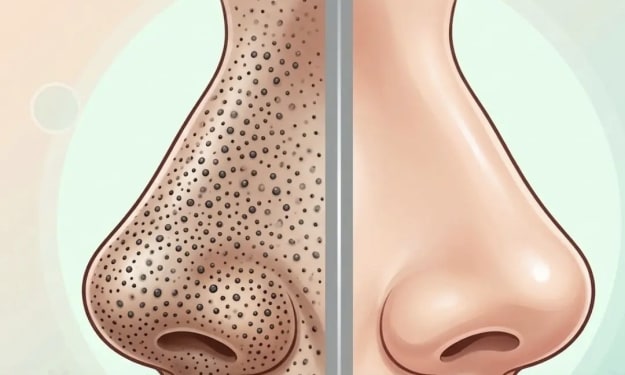
Blackheads and whiteheads are very common skin problems that affect people of all ages. They usually appear on the nose, chin, forehead, and sometimes on the cheeks. These small bumps form when the pores of the skin become clogged with oil, dead skin cells, and dirt. Blackheads appear dark because the clogged material inside the pore reacts with air and becomes oxidized, while whiteheads remain covered by skin, giving them a white or flesh-colored appearance.
By DigitalAddi4 days ago in Education



Comments
There are no comments for this story
Be the first to respond and start the conversation.