
Science Discoveries and Breakthroughs of the 21st Century
Exploring the Most Remarkable Science Discoveries and Breakthroughs of the 21st Century
Introduction:
The 21st century has witnessed remarkable advancements in science that have revolutionized our understanding of the world around us. From unraveling the mysteries of the cosmos to delving deep into the intricate workings of the human body, scientists have made extraordinary breakthroughs that have shaped our lives in countless ways. In this article, we will explore some of the most significant science discoveries and breakthroughs of the past two decades.
1. The Human Genome Project:
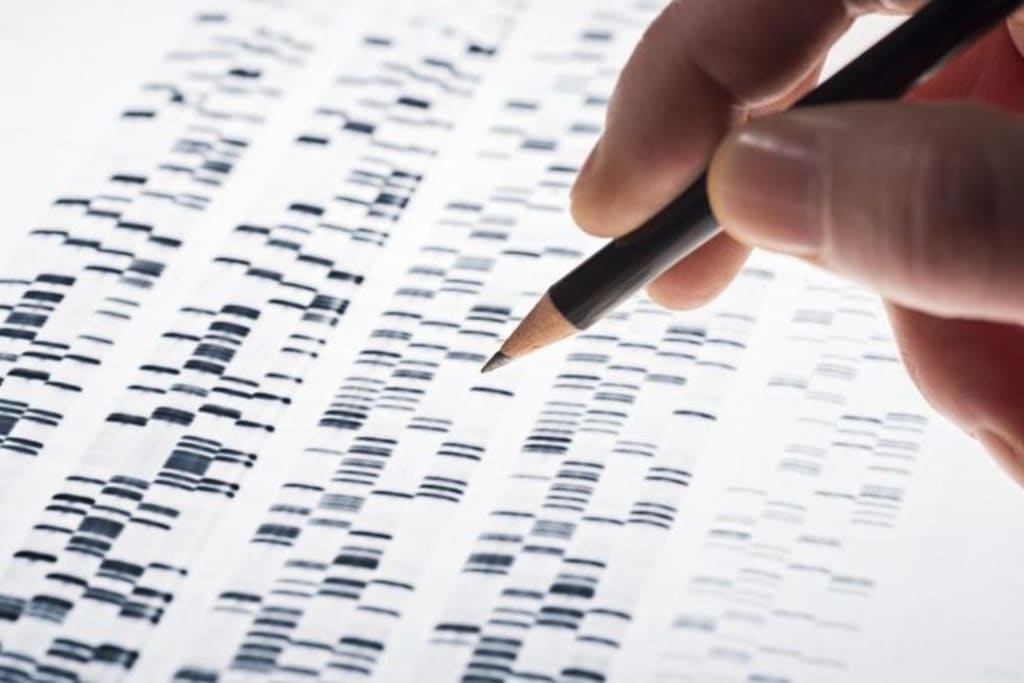
One of the monumental scientific achievements of the 21st century was the completion of the Human Genome Project. This international collaboration, launched in 1990 and completed in 2003, successfully sequenced the entire human genome. This breakthrough enabled scientists to identify and map the approximately 20,000-25,000 genes within the human DNA, offering unparalleled insights into our genetic makeup. The Human Genome Project laid the foundation for advancements in personalized medicine, genetic engineering, and our understanding of inherited diseases.
2. Gravitational Waves:
In 2015, a century after Albert Einstein's prediction, scientists finally detected gravitational waves. The Laser Interferometer Gravitational-Wave Observatory (LIGO) made history by capturing the faint ripples in spacetime caused by the collision of two black holes. This groundbreaking discovery not only confirmed Einstein's general theory of relativity but also opened up a new window to observe and study the universe. Gravitational wave astronomy has since unveiled the cosmic mergers of neutron stars, provided insights into black hole dynamics, and promises to unveil the secrets of the early universe.
3. CRISPR-Cas9 Gene Editing:
The development of CRISPR-Cas9 gene editing technology has revolutionized the field of genetics and molecular biology. CRISPR (Clustered Regularly Interspaced Short Palindromic Repeats) and its associated protein Cas9 allow scientists to precisely edit DNA sequences. This breakthrough has tremendous potential in treating genetic disorders, developing disease-resistant crops, and combating infectious diseases. CRISPR-Cas9 has accelerated research in biotechnology and opened up new avenues for precision medicine, sparking both excitement and ethical discussions around its applications.
4. Mars Rovers and Exploration:
The exploration of Mars has been a key focus of scientific research in the 21st century. NASA's Mars rovers, Spirit, Opportunity, and Curiosity, have provided invaluable insights into the Red Planet's geology, climate history, and the potential for past life. The discovery of evidence for liquid water on Mars, the identification of organic molecules, and the detection of methane have fueled the curiosity to search for signs of extraterrestrial life. Mars exploration has expanded our understanding of the universe and increased our prospects for future human colonization.
5. Artificial Intelligence and Machine Learning:
Advancements in artificial intelligence (AI) and machine learning have transformed various fields, including healthcare, transportation, and finance. AI algorithms have achieved groundbreaking achievements in image recognition, natural language processing, and complex data analysis. Deep learning techniques have led to significant advancements in autonomous vehicles, medical diagnostics, and personalized recommendation systems. The integration of AI into our daily lives continues to reshape industries and create new opportunities for innovation and growth.
6. Quantum Computing:
Quantum computing represents a paradigm shift in computation, promising exponential leaps in processing power compared to classical computers. Researchers have made significant strides in building and controlling qubits, the basic units of quantum information. Quantum computers have the potential to solve complex problems that are currently intractable, revolutionizing fields such as cryptography, drug discovery, and optimization. While still in its early stages, quantum computing holds tremendous promise for tackling complex challenges of the future.
Conclusion:
The 21st century has witnessed a remarkable array
of scientific discoveries and breakthroughs that have propelled humanity into new frontiers of knowledge and understanding. From decoding the human genome to exploring the cosmos and harnessing the power of gene editing and artificial intelligence, these advancements have shaped our lives in profound ways. As we continue to push the boundaries of scientific exploration, these breakthroughs serve as beacons of inspiration, driving us towards a future filled with possibilities and innovation.
About the Creator
Keep reading
More stories from Pearl Afeletey and writers in Education and other communities.
7 Effective Fitness and Exercise Routines for a Stronger and Healthier You
Title: 7 Effective Fitness and Exercise Routines for a Stronger and Healthier You Introduction: Embarking on a fitness journey is an empowering decision that can lead to a stronger and healthier version of yourself. If you're looking to incorporate effective exercise routines into your lifestyle, you're in the right place! In this article, we'll explore seven impactful fitness and exercise routines that will help you achieve your fitness goals. These routines are designed to improve strength, flexibility, cardiovascular endurance, and overall well-being. So let's dive in and discover the exercises that will transform your body and mind.
By Pearl Afeletey3 years ago in Education
Top Basketball Drills to Build Leadership and Court IQ
Basketball is often described as a game of speed, skill, and teamwork. While athletic ability is important, the players who truly stand out are those with strong leadership qualities and advanced court intelligence. Court IQ refers to a player's ability to read the game, make smart decisions, and anticipate teammates' and opponents' actions. Leadership involves communication, confidence, and the ability to guide teammates during intense moments of competition.
By Jeb Kratzig4 days ago in Education
My Heart Broke When Visa Crackdown Ended UK Dream, Says Afghan Coder
A 26‑year‑old Afghan software engineer has spoken of heartbreak after a recent tightening of the United Kingdom’s student visa policy dashed her hopes of studying in Britain, highlighting the impact of stricter immigration rules on individual lives and ambitions. Shahira Sadat, an IT graduate from Kabul with a degree in software engineering, had spent months preparing her application for a prestigious Chevening Scholarship—a UK government‑funded programme that supports future global leaders to pursue postgraduate study in Britain. She was shortlisted after securing offers from four UK universities, including University College London for a master’s in machine learning, a field at the cutting edge of artificial intelligence. “I put my heart into this journey,” Sadat wrote in a statement, describing how she treated each stage of the application process with seriousness and hope. She rewrote essays, endured sleepless nights refining her goals, and allowed herself to dream of studying, growing, and returning home equipped to make a positive contribution. When she received the interview invitation, she said, she felt immense joy and possibility. But that dream was cut short when the UK Home Office introduced a visa crackdown that suspended study visa applications from Afghanistan and other countries, including Cameroon, Myanmar and Sudan. The measure was part of a broader effort by Shabana Mahmood, the Home Secretary, to curb what officials describe as widespread abuse of student visa routes as a means to seek asylum in the UK. Critics contend the policy is overly broad and penalises legitimate applicants without distinguishing individual merit. As a result, Sadat’s Chevening application was terminated, and she was informed that her opportunities to take up offers from British universities were revoked. “When I read the cancellation email, my heart broke,” she said, explaining that the devastation stemmed not just from losing an academic opportunity, but from the collapse of hope and hard work tied to it. A Double Loss for Afghan Women For Afghan women in particular, the impact of the UK visa policy change is especially acute. Since the Taliban’s return to power in 2021, formal educational opportunities for women and girls in Afghanistan have been drastically curtailed, with many institutions barred to female students. In this context, scholarships like Chevening have represented far more than academic advancement—they have symbolised rare pathways to education, empowerment and global connection. Sadat noted that while she was fortunate to complete her undergraduate degree before major restrictions were imposed domestically, many other Afghan women have faced repeated barriers. For them, international study offers both academic and existential hope, a chance to sustain dreams that have been closed off at home. “This is not just a scholarship for me,” she told reporters. “It’s a symbol of trust in future leaders from different parts of the world. It’s hope when there is so little left.” Her plea included a call for the UK government and Chevening programme administrators to reconsider the visa suspension for Afghan applicants, emphasising that education should act as a bridge rather than another barrier. UK Policy Context and Debate The UK government’s visa action is part of a wider shift toward tighter immigration control. Officials argue that student visa routes have increasingly been exploited as backdoors for asylum claims, placing pressure on the immigration system. In recent debates, the Home Office rejected proposals to exempt exceptional students, including Chevening candidates, from the toughest aspects of the policy—even after criticisms from lawmakers and civil society. Opponents of the policy suggest that it undermines the UK’s longstanding reputation as an open destination for international education and collaboration. They point out that the volume of Afghan students affected is very small relative to the total number of student visas issued, and that blanket bans risk harming individuals with clear academic merit and genuine intentions to study and return home. A petition calling for reversal of the ban has garnered support from students and advocacy groups alike, underscoring the human impact of the rules. Personal and Broader Impacts Sadat’s experience underscores how immigration policies can reverberate far beyond abstract statistics and political debates, affecting real people’s lives and futures. For aspiring students like her, the opportunity to study abroad represented not just professional development, but a chance to break cycles of limitation and contribute to positive change in their communities. In her message, she reflected on how the dream of studying in the UK was about more than just academic credentials; it reflected a belief in possibility, connection and global investment in emerging leaders. Losing that opportunity was not only a personal setback but a symbolic loss of hope. It serves as a poignant reminder that behind every visa application are stories of ambition, sacrifice and human aspiration—stories that risk being overlooked in wider policy discussions about immigration and border control. Sadat’s plea resonates with many who see education as a universal right and a vital tool for empowerment, especially for those from countries where access to learning opportunities has been severely restricted. As the debates around UK visa rules continue, her story may come to represent the costs borne by individuals caught between policy and promise.
By Fiaz Ahmed 3 days ago in Education




Comments
There are no comments for this story
Be the first to respond and start the conversation.