

The rupee is the official currency of India. It is abbreviated as INR (Indian Rupee) and is represented by the symbol ₹. One rupee is divided into 100 paise. The rupee is issued and regulated by the Reserve Bank of India, the central bank of India. The rupee is one of the oldest currencies in the world, with a history dating back to ancient India. It is also used in other countries, including Nepal, Pakistan, Mauritius, and SeychellesThe rupee is a decimal currency, meaning that it is divided into units of 100. One rupee is equal to 100 paise. Paise are no longer in common use, and most transactions in India are now rounded to the nearest rupee.
The rupee is issued and regulated by the Reserve Bank of India, the central bank of India. The Reserve Bank is responsible for issuing new rupee notes and coins, as well as regulating the supply and demand of the currency.
The rupee is an important currency in the global economy, and is widely used in international trade and financial transactions. It is one of the most traded currencies in the world, and is particularly important in the countries of South Asia and the Middle East.
The rupee has a long and storied history, with a history dating back to ancient India. The word "rupee" is believed to be derived from the Sanskrit word "rūpya," which means "wrought silver." The rupee has been used as a form of currency in India for thousands of years, and has undergone numerous changes in form and value over the centuries.
The rupee is used in a number of countries around the world, including India, Nepal, Pakistan, Mauritius, and Seychelles. In these countries, the rupee is used alongside other currencies, or as the sole currency.
The rupee is abbreviated as INR (Indian Rupee) and is represented by the symbol ₹. The rupee is issued in a variety of denominations, including coins and paper notes. The current denominations of the rupee include 1, 2, 5, 10, 20, 50, 100, 500, and 2,000 rupee notes.The value of the rupee is determined by a number of factors, including economic conditions, political stability, and the demand for Indian goods and services. The rupee is not pegged to any specific currency, and its value can fluctuate based on market conditions.
The rupee has undergone several major revaluations in its history. One of the most significant revaluations occurred in 1947, when India gained independence from British rule. At that time, the rupee was pegged to the British pound at a rate of 1 rupee = 1 pound. In 1966, the rupee was revalued again, and was pegged to a basket of currencies known as the "Rupee Trade Weighted Index." In 1971, the rupee was floated on the foreign exchange market, and its value began to be determined by market forces.
The rupee is an important currency in the global economy, and is widely used in international trade and financial transactions. It is one of the most traded currencies in the world, and is particularly important in the countries of South Asia and the Middle East.
The rupee is used in a number of countries around the world, including India, Nepal, Pakistan, Mauritius, and Seychelles. In these countries, the rupee is used alongside other currencies, or as the sole currency.
The rupee is abbreviated as INR (Indian Rupee) and is represented by the symbol ₹. The rupee is issued in a variety of denominations, including coins and paper notes. The current denominations of the rupee include 1, 2, 5, 10, 20, 50, 100, 500, and 2,000 rupee notes.
In addition to its role as a currency, the rupee is also an important symbol of national identity in India. It is featured on the national flag of India, and is used in a variety of cultural and social contexts. The rupee is an important part of the economic and cultural fabric of India, and is widely recognized and respected around the world
About the Creator
Keep reading
More stories from Mahendrarajah Mithusharan and writers in Education and other communities.
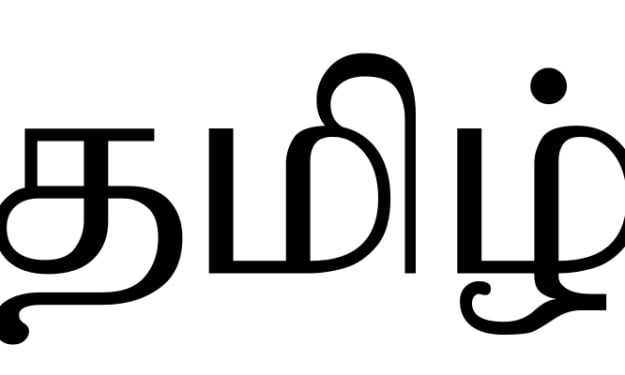
Tamil
Tamil is a Dravidian language spoken primarily in the Indian state of Tamil Nadu and in Sri Lanka. It is the official language of Tamil Nadu, and is also spoken by significant communities in other parts of India, as well as in Malaysia, Singapore, and other countries around the world. Tamil is one of the oldest and most richly developed languages in the world, with a literary tradition dating back over two thousand years.
By Mahendrarajah Mithusharan3 years ago in Education
Understanding Rework Sign Exit SCRN AFT Parts in Aerospace Maintenance
As someone deeply involved in aviation engineering and aircraft maintenance research, I’ve always been fascinated by how small parts — even those with complex technical names — play a critical role in flight safety and operational readiness. One such category is the “Rework Sign Exit SCRN AFT” part type, commonly referenced in aviation parts catalogs like the one at FulfillmentByASAP.
By Beckett Dowhan7 days ago in Education
The BAFTA Awards
By now, in a stunning departure from recent years, most of the world is aware of what happened at the BAFTA film awards. Social Media Headlines will tell you the bare bones: that John Davidson, a Tourette's Syndrome advocate, shouted a racial slur at two Actors of Colour, Michael B Jordan and Delroy Lindo.
By Natasja Rose7 days ago in Psyche


Comments
There are no comments for this story
Be the first to respond and start the conversation.