
Risk Management in Investment: Strategies to Protect Your Capital
How to Safeguard Your Investment Portfolio from Potential Losses


Understanding Investment Risk
Before diving into risk management strategies, it’s essential to understand the types of risk that exist in investment. Investment risk is the possibility of losing some or all of your invested capital or the uncertainty surrounding the return on your investment. The main categories of risk include:
Market Risk: The risk of price fluctuations in the financial markets due to changes in economic conditions, interest rates, or geopolitical events.
Credit Risk: The risk that a borrower or issuer of a security will default on their obligations.
Liquidity Risk: The risk of being unable to buy or sell investments quickly without significantly affecting the price.
Interest Rate Risk: The risk that changes in interest rates will negatively affect the value of investments, especially fixed-income securities like bonds.
Inflation Risk: The risk that the return on your investments will not keep pace with inflation, eroding your purchasing power over time.
Key Risk Management Strategies
To protect your capital, investors must apply strategies that are designed to minimize exposure to these risks. Below are some of the most effective risk management techniques:

1. Diversification
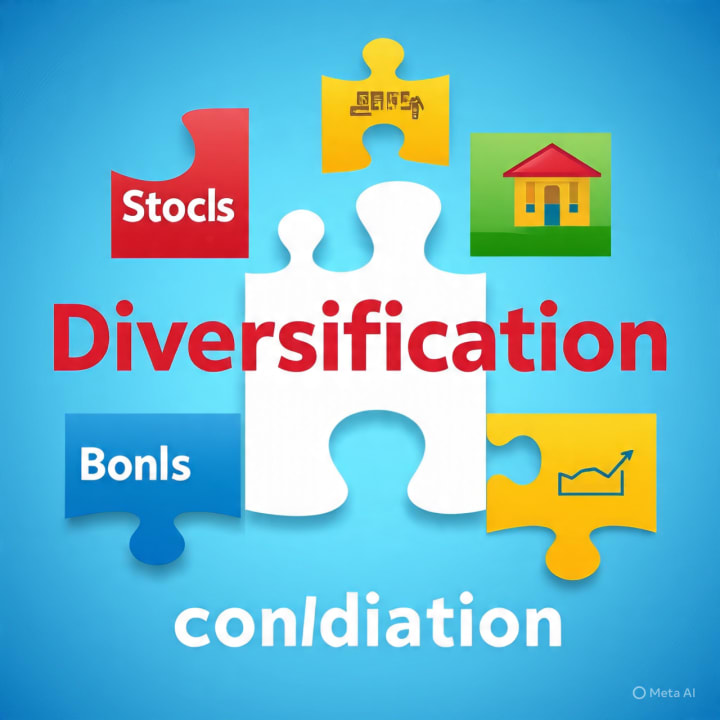
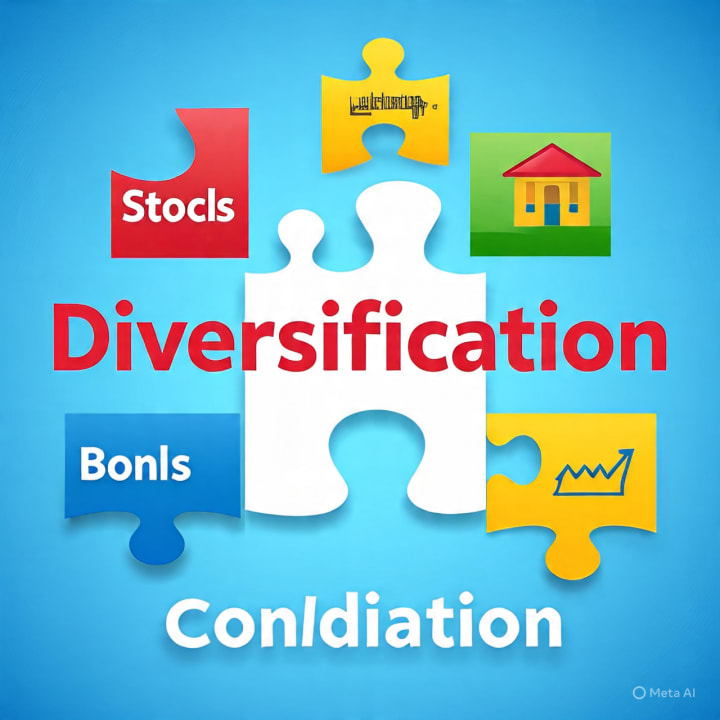
Diversification is one of the simplest and most effective ways to manage investment risk. By spreading your capital across different asset classes—such as stocks, bonds, real estate, and commodities—you reduce the risk that a downturn in one sector will significantly affect your entire portfolio. Diversification can also include geographic and sector diversification to ensure that your portfolio isn’t overly reliant on one particular area.
Example: Instead of investing all your capital in one sector, such as technology, you might also invest in healthcare, consumer goods, and energy. This helps mitigate risks associated with sector-specific downturns.

2. Asset Allocation
Closely related to diversification, asset allocation refers to the strategy of allocating your capital across various asset classes in a way that aligns with your risk tolerance, investment goals, and time horizon. An optimal asset allocation ensures that you are not overly exposed to any one type of asset.
Example: A conservative investor may allocate a higher percentage of their capital to bonds and cash, while a more aggressive investor may focus more on stocks and growth assets.
3. Risk Assessment & Tolerance
Before making any investment, it is crucial to assess your personal risk tolerance. This is your ability and willingness to endure market fluctuations without panic. A thorough understanding of your risk tolerance helps determine the level of risk you are prepared to take and guides your decision-making.
Example: If you’re in your 30s and have a long investment horizon, you might be more willing to take on higher-risk assets (like stocks), compared to someone closer to retirement who might prefer more stable, lower-risk investments.

4. Stop-Loss Orders
A stop-loss order is a tool that automatically sells an asset if its price falls to a certain level, limiting your potential losses. This technique is often used in equity and Forex trading but can be applied in various markets. It’s particularly useful in volatile markets where sudden price fluctuations can lead to significant losses.
Example: If you purchase a stock at $100 and set a stop-loss order at $90, the stock will automatically be sold if its price drops to $90, protecting you from further losses.
5. Hedging
Hedging involves taking an offsetting position in an asset to reduce exposure to risk. Hedging strategies include options, futures, and inverse exchange-traded funds (ETFs). While hedging doesn’t eliminate risk entirely, it can reduce the potential loss from adverse market movements.
Example: An investor who owns a large position in a stock might purchase a put option as a form of insurance. If the stock falls, the put option increases in value, offsetting some of the losses in the underlying stock.
Managing Volatility: Active vs. Passive Investment Strategies
Volatility is an inherent feature of financial markets, but investors can adapt their strategies to manage this risk.

1. Active Investment Management
Active management involves continuously adjusting your portfolio based on market conditions, economic outlook, and stock fundamentals. The goal is to capitalize on market inefficiencies and reduce downside risk. However, active management requires significant time, effort, and expertise.
Example: An active fund manager might reduce exposure to equities during periods of market uncertainty and increase holdings in more defensive sectors, such as utilities or consumer staples.
2. Passive Investment Management
Passive management, on the other hand, involves holding investments for the long term without frequent buying or selling. This strategy is generally more cost-effective and less time-consuming but exposes investors to greater short-term volatility.
Example: Investing in index funds or ETFs that track the performance of the broader market is a passive strategy. While it may not offer the opportunity for short-term profits, it can be a more stable approach over the long term.

Regular Portfolio Review
The investment landscape is constantly changing, so it’s crucial to regularly review and adjust your portfolio. This includes rebalancing your asset allocation to maintain the desired level of risk, analyzing your investments' performance, and making adjustments based on changes in your financial goals or risk tolerance.
Example: If the value of your equity investments has significantly grown over time, you may need to rebalance your portfolio to ensure that your asset allocation remains in line with your risk tolerance.
Conclusion
Risk management in investment is about safeguarding your capital while taking calculated risks to generate returns. By implementing strategies such as diversification, asset allocation, stop-loss orders, hedging, and regular portfolio reviews, investors can significantly reduce potential losses and enhance their long-term financial security. Ultimately, a thoughtful and disciplined approach to risk management can help you protect your capital, even in volatile market conditions.
About the Creator
Keep reading
More stories from MoneyOrbit and writers in Education and other communities.
Competitive Distance Running Excellence Built on Repeated High Race Placements
Competitive distance running rewards athletes who can perform well again and again. One strong finish is impressive, but multiple high placements in recent races show true consistency. These results point to smart training, clear focus, and the ability to manage pressure over time. This article explores how competitive distance running athletes achieve repeated success, why high placements matter, and what helps runners stay near the front of the field.
By Daniel Podor4 days ago in Education
How Top-Ranked Teams Build a Culture of Excellence and Consistent High Performance
In today’s competitive business environment, success is rarely the result of individual talent alone. Strong, aligned, and resilient teams power organizations that consistently lead their industries. Lists highlighting outstanding teams, such as those curated by Forbes, have drawn attention to a critical truth: exceptional performance is built intentionally. These teams succeed because of how they collaborate, lead, and adapt over time. Understanding what sets these high-performing teams apart provides a roadmap for organizations seeking sustainable excellence.
By Daniel Ladner5 minutes ago in Education


Comments (7)
Great
Great work
Best
Awesome
Wow
Great
Great