
Rising Stroke Rates: A Modern Health Crisis
Understanding Why More People Are Suffering Strokes Today Than Ever Before

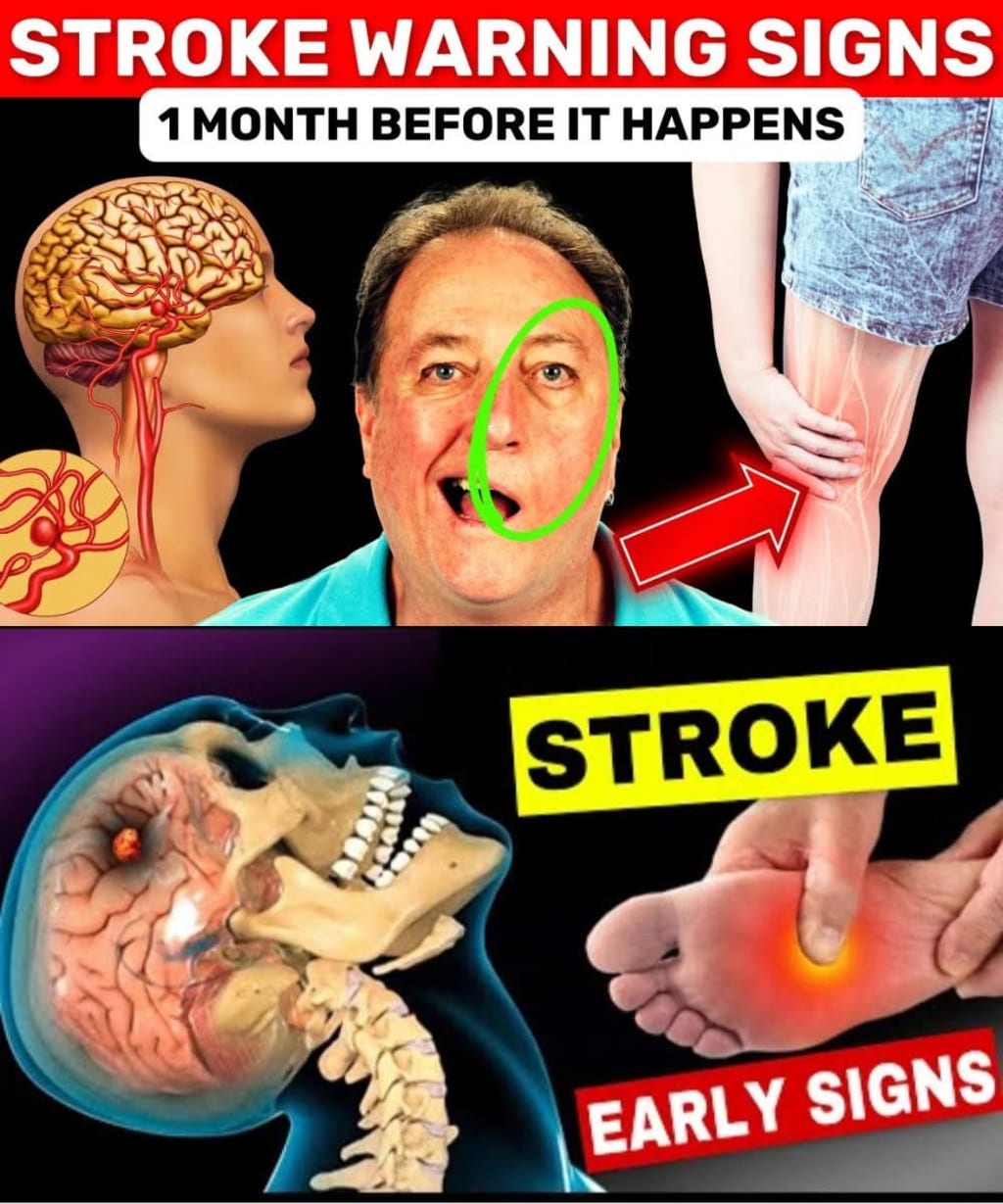
Why Stroke Incidence Is Increasing Day by Day
Uncovering the Hidden Drivers of a Growing Global Health Crisis
Stroke, once considered a disease of old age, is increasingly affecting younger populations and growing in frequency across the globe. What was once a sporadic health emergency has become a mounting public health concern. Despite medical advancements and better awareness, the incidence of stroke is rising steadily in both developed and developing nations.
So, what’s behind this troubling trend? Let’s explore the key contributors.
1. Lifestyle Changes: Sedentary Living and Poor Diet
One of the most significant drivers of rising stroke rates is our increasingly sedentary lifestyle. With the rise of desk jobs, long screen time, and reduced physical activity, people are moving less than ever before. Lack of exercise contributes to obesity, high blood pressure, and diabetes — all of which are major stroke risk factors.
At the same time, modern diets are high in salt, sugar, and unhealthy fats. Processed and fast foods have become staples in many households, contributing to poor cardiovascular health and raising cholesterol levels.
2. Rising Rates of Hypertension and Diabetes
Hypertension (high blood pressure) remains the leading cause of stroke. Despite being preventable and treatable, millions of people worldwide live with undiagnosed or uncontrolled high blood pressure.
Similarly, the global burden of diabetes — particularly type 2 diabetes — has increased dramatically. Diabetes damages blood vessels and can lead to both ischemic and hemorrhagic strokes. As more people develop these conditions at younger ages, their lifetime risk of stroke increases.
3. Stress and Mental Health Challenges
Chronic stress, anxiety, and depression are also on the rise, particularly in urban populations. These conditions contribute indirectly to stroke by encouraging unhealthy coping habits such as smoking, alcohol use, and overeating. Moreover, stress triggers inflammatory and hormonal changes in the body that increase cardiovascular risk.
4. Aging Population
As medical care improves and life expectancy increases, more people are living into their 70s, 80s, and beyond — the age groups most vulnerable to stroke. While this is a sign of progress in some ways, it also means that more people are at risk of experiencing a stroke during their lifetime.
5. Lack of Awareness and Preventive Care
In many regions, especially in low- and middle-income countries, public awareness of stroke symptoms and risk factors remains low. Routine check-ups, blood pressure monitoring, and early interventions are often lacking due to limited access to healthcare.
Many strokes occur without prior warning because people ignore subtle signs or are unaware of the risks. Delayed medical intervention increases both the frequency and severity of strokes.
6. Environmental and Socioeconomic Factors
Air pollution, poor urban planning, and lack of access to healthy food and recreational facilities also contribute to the increase in stroke incidence. People living in poverty are disproportionately affected due to limited resources, education, and healthcare access.
7. Stroke in Younger Populations
Alarmingly, stroke is becoming more common among people under the age of 50. Factors like drug use, obesity, stress, and early-onset hypertension have made strokes no longer an “elderly-only” condition. Young adults who suffer strokes face lifelong disability, lost productivity, and increased healthcare burdens.
What Can Be Done?
While the data is concerning, stroke is largely preventable with lifestyle modifications and early medical care. Key strategies include:
Regular physical activity
Healthy, balanced diets
Avoiding tobacco and limiting alcohol
Managing blood pressure, cholesterol, and diabetes
Routine health check-ups
Public education campaigns about stroke symptoms (e.g., FAST: Face drooping, Arm weakness, Speech difficulty, Time to call emergency services)
Governments and healthcare providers also need to invest more in community health, preventative care, and access to affordable treatment.
Conclusion
The rising incidence of stroke is a wake-up call for individuals, communities, and policymakers. It's not just a medical issue — it’s a social and economic one that requires coordinated, sustained action. By addressing the root causes now, we can prevent many strokes in the future and improve the quality of life for millions.
About the Creator
Keep reading
More stories from zafar abbas and writers in Education and other communities.
The Last Letter
The Last Letter In a quiet village tucked between fields of sunflowers and dusty roads, lived an old man named Raman. His house was small, with peeling paint and creaky doors, but his garden bloomed like a secret the world had forgotten. Everyone in the village knew him—the kind man with sad eyes who always sat on his porch at sunset, holding a faded envelope in his hand.
By zafar abbas6 months ago in Fiction
Navigating Economic Uncertainty with Strategic Property Investment
Economic uncertainty has become a constant presence in today’s financial landscape. From inflation and rising interest rates to global conflicts and supply chain disruptions, investors are increasingly concerned about protecting their assets and ensuring long-term financial security. Amid this volatility, real estate remains one of the most dependable investment vehicles. Its tangible nature, consistent income potential, and historical resilience make it a powerful tool for weathering financial storms.
By Accrue Real Estate6 days ago in Education



Comments
There are no comments for this story
Be the first to respond and start the conversation.