
Rich Dad Poor Dad: The Art of Financial Education
A Comprehensive Guide to the Lessons and Criticisms of Robert Kiyosaki's "Rich Dad Poor Dad"
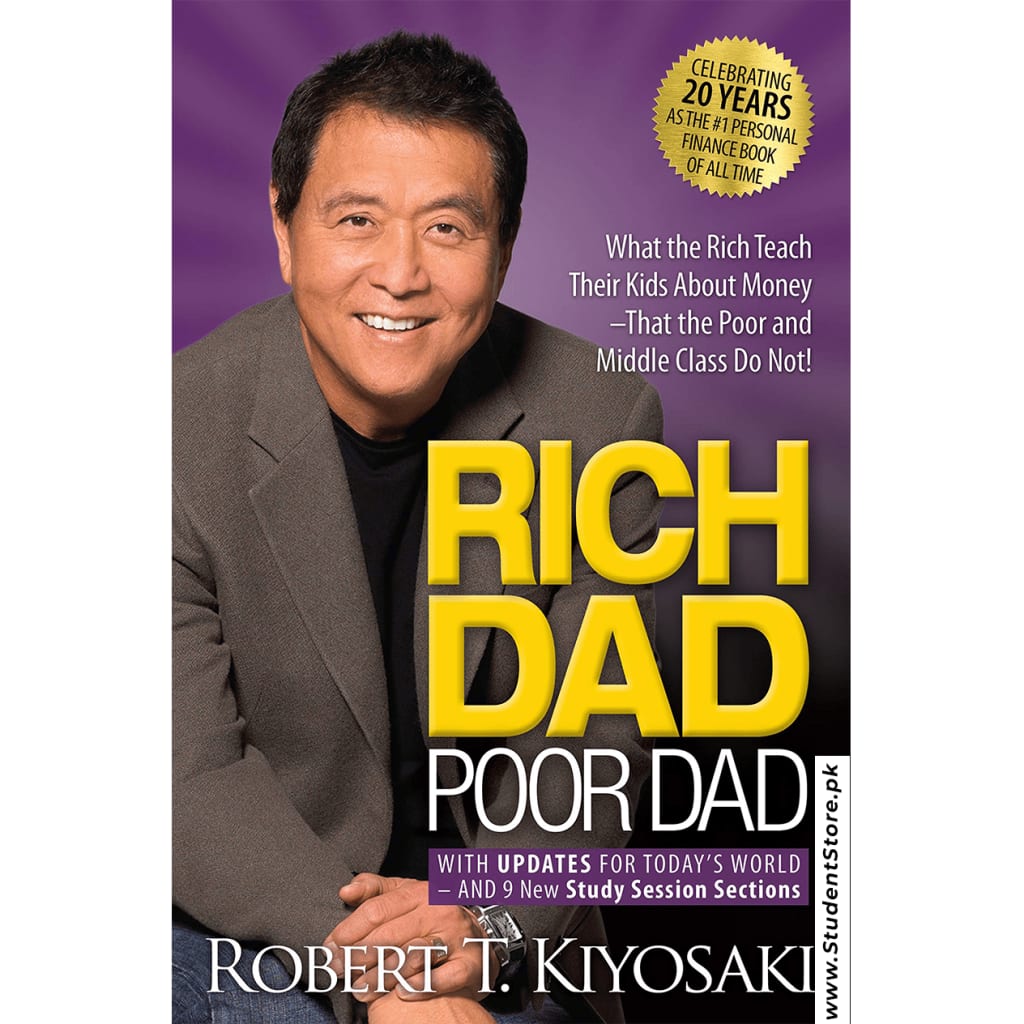
"Rich Dad Poor Dad" is a book written by Robert Kiyosaki that has become a classic in the world of personal finance. Published in 1997, the book has sold millions of copies worldwide and has been translated into dozens of languages. In this article, we will explore the key lessons and concepts of "Rich Dad Poor Dad" and how they can help you achieve financial success.
The Story of Rich Dad Poor Dad:
The book tells the story of Robert Kiyosaki's two fathers: his real father, who was an educated but financially struggling government employee, and his best friend's father, who was a successful entrepreneur and investor.
The contrast between the two men's approaches to money and investing was stark, with Kiyosaki's real father advocating for the traditional path of getting a good education, finding a stable job, and saving for retirement, while his friend's father encouraged him to learn about money, invest in assets, and build passive income streams.
The Lessons of Rich Dad Poor Dad:
From this experience, Kiyosaki distilled several key lessons about personal finance and investing, including:
The difference between assets and liabilities: Kiyosaki emphasizes the importance of understanding the difference between assets, which generate income, and liabilities, which drain your finances. He suggests focusing on acquiring assets that will generate passive income, such as rental properties or dividend-paying stocks.
The power of financial education: Kiyosaki believes that traditional education does not adequately prepare people for financial success. He advocates for individuals to seek out financial education and take control of their own financial future.
The importance of taking risks: Kiyosaki encourages individuals to take calculated risks in their investments, rather than relying solely on safe, low-yield options such as savings accounts or government bonds.
The value of entrepreneurship: Kiyosaki believes that entrepreneurship is a key path to financial success, as it allows individuals to build their own businesses and generate income on their own terms.
Criticism of Rich Dad Poor Dad:
Despite its widespread popularity, "Rich Dad Poor Dad" has also faced criticism from some quarters. Some critics argue that Kiyosaki's advice is overly simplistic or that he exaggerates his own financial success. Others have pointed out that Kiyosaki's advice may not be applicable or relevant to all individuals, depending on their unique circumstances and financial goals.
Regardless of these criticisms, "Rich Dad Poor Dad" remains a widely-read and influential book on personal finance and investing, and has inspired countless individuals to take control of their own financial futures.
Applying the Lessons of Rich Dad Poor Dad:
If you are interested in applying the lessons of "Rich Dad Poor Dad" to your own life, there are several steps you can take:
Educate yourself: Seek out financial education resources, such as books, courses, or seminars, to improve your understanding of personal finance and investing.
Build passive income streams: Look for opportunities to acquire assets that generate passive income, such as rental properties or dividend-paying stocks.
Take calculated risks: Consider taking calculated risks in your investments, rather than relying solely on safe, low-yield options.
Consider entrepreneurship: Explore the possibility of starting your own business or pursuing other entrepreneurial ventures.
Conclusion:
"Rich Dad Poor Dad" offers valuable lessons and insights into the world of personal finance and investing, and can be a powerful tool for anyone looking to take control of their financial future. Whether you agree with all of Kiyosaki's advice or not, the book is a valuable starting point for anyone looking to improve their financial literacy and build wealth over the long term.
About the Creator
Arish Ali
The world is yours!
Is Pharmacy Tech a Good Career Choice for 2026?
Given the recent shifts in the market and AI automation, people are now well aware that economic shakeups can drastically hinder their income sources. This is causing a lot of people to switch careers, and a majority of people are targeting healthcare roles. However, not all allied healthcare roles are created equal. Also, you can aim to become a medical assistant, but if you do not want to deal with patients, the ideal role for you is that of a Pharmacy Technician.
By Meaghan Howe3 days ago in Education




Comments
There are no comments for this story
Be the first to respond and start the conversation.