
Rewind the Mind: Slowing Down Brain Aging
Science-Backed Habits to Keep Your Brain Sharp, Young, and Energized
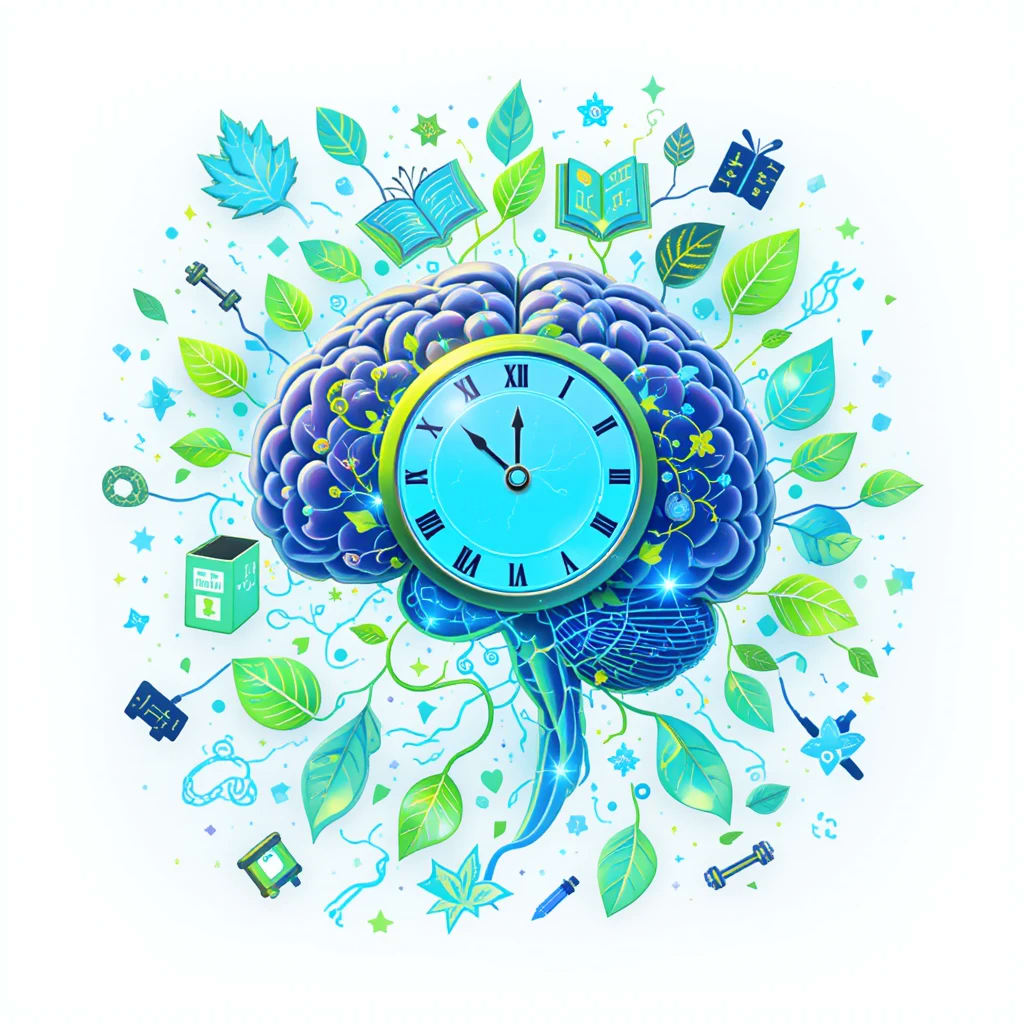
The soft morning sunlight spilled through the window as Dr. Maya Verma sipped her green tea, flipping through the pages of a neuroscience journal. She was preparing for a talk titled "Slowing Down Brain Aging." Outside, the world moved fast — deadlines, traffic, screens — but inside, Maya focused on something most people ignored until it was too late: the silent aging of the brain.
Just a decade earlier, Maya’s own father had been diagnosed with early-stage dementia. A brilliant poet and professor, his memory had begun slipping away like pages torn from his favorite books. That moment changed Maya forever. She wasn't just a neuroscientist anymore — she became a seeker, driven by love and curiosity, to uncover the habits that could keep the brain young.
As she stood before her audience that afternoon, Maya didn’t begin with complex graphs or scans. She began with a story.
“Imagine your brain as a garden,” she said. “Every thought is a seed, every habit a gardener, and every experience a form of weather. If we want the flowers of memory, creativity, and clarity to keep blooming, we need to care for this garden every single day.”
The crowd leaned in.
1. The Brain Never Stops Changing
She explained how for years, scientists believed the brain stopped growing after childhood. But research in neuroplasticity changed everything. The brain, it turns out, can continue forming new neural pathways — even in our 70s, 80s, or 90s — if we keep challenging it.
One of the best ways to stimulate new connections, Maya said, was to learn something new. Not just passively consuming information, but actively engaging in it. Her father, even after his diagnosis, began learning Spanish. “It wasn’t perfect,” Maya smiled, “but it helped keep the rust off.”
2. Movement Builds Mental Strength
Next, Maya told them about Mrs. Chen, an 83-year-old woman who joined a tai chi class at her local community center. Not only did her balance and mood improve — brain scans showed increased blood flow to her hippocampus, the part of the brain critical for memory.
“Exercise isn’t just for your heart or body — it’s a gift to your brain,” Maya explained. Aerobic exercises like walking, swimming, or dancing increase oxygen and nutrient delivery to brain cells, reduce inflammation, and help grow new neurons.
3. The Enemies We Don’t See
But what ages our brains the fastest? Chronic stress. Poor sleep. Sugar-laden diets. Negativity. Maya described them as “invisible toxins” that corrode mental sharpness.
Cortisol, the stress hormone, when left unchecked, shrinks the hippocampus. “Stress is like acid rain in the garden of your brain,” she said. “You may not see the damage right away, but it’s happening.”
That’s why mindfulness, meditation, and deep breathing were no longer just spiritual tools — they were backed by science. Regular meditation thickens the prefrontal cortex and reduces the size of the amygdala, the part responsible for fear and anxiety.
4. Feed Your Brain, Literally
“What you eat becomes what you think,” Maya said, sharing the story of a man who reversed mild cognitive decline by changing his diet. The brain loves omega-3 fatty acids, antioxidants, and B vitamins — all found in foods like berries, leafy greens, nuts, seeds, and fatty fish.
She warned against processed foods, excessive sugar, and alcohol — not as a purist, but as someone who had watched her father fade faster after years of poor eating.
“Think of each meal as a message to your brain,” she said. “Is it saying, ‘Grow and thrive,’ or ‘Slow and die’?”
5. Stay Connected
Loneliness, she reminded the audience, was as dangerous as smoking 15 cigarettes a day. Social isolation accelerates brain aging and increases the risk of dementia. The antidote? Meaningful connections.
She encouraged her listeners to nurture relationships, volunteer, join clubs, or simply call someone they hadn’t spoken to in a while. One smile, one laugh, one story shared — each a spark for the aging brain.
The Turning Point
A hand went up in the crowd. A woman, maybe in her early 60s, stood and asked, “Is it too late for someone like me?”
Maya walked down the stage stairs and smiled. “It’s never too late,” she said. “The brain is waiting. You’re the gardener. Today is a good day to start.”
Final Thoughts
As the session ended, Maya felt hopeful. She had seen what a neglected brain could become — lost, lonely, slow. But she had also seen what was possible when people took their mental fitness seriously.
Rewind the Mind wasn’t about reversing time. It was about embracing every year with energy, clarity, and resilience. It was about dancing at 80, painting at 90, and remembering the names of your great-grandchildren not because you’re lucky, but because you took the time to care for your most important organ — your brain.
About the Creator
Muhammad ullah jan
Hello friends! If you read my story and subscribe to my Vocal Media page, I’ll return the love with views and subscriptions on your work too! Let’s support each other and grow together. Don’t forget to bring your friends along. Thank you!
Keep reading
More stories from Muhammad ullah jan and writers in Education and other communities.
India and Pakistan: A Story of War and Rivalry
The story of India and Pakistan is one born not merely from political lines drawn on maps, but from a partition that carved deep scars into the subcontinent. It is a tale of shared heritage and painful separation, of wars fought on borders and in hearts, of rivalry, pride, and the ongoing struggle for peace.
By Muhammad ullah jan 9 months ago in Writers
A Practical Guide to Choosing the Perfect Lens for Portrait Photography
Selecting the right lens is one of the most important decisions in portrait photography because it influences perspective, sharpness, background blur, and overall image style. A good lens enhances your creative vision and helps you capture flattering portraits that highlight the subject’s features. Beginners often feel overwhelmed by the many lens options available, but understanding how different focal lengths and lens types affect your results makes the choice much easier. With the right information, you can confidently choose a lens that supports your portrait goals.
By Jeremy Berman Findlay Ohio3 days ago in Education
What Caused the Big Bang?
Understanding the Big Bang Theory The Big Bang does not describe an explosion in space. Instead, it describes an expansion of space itself. At the beginning, all matter, energy, space, and time were compressed into an extremely small, hot, and dense state.
By shahkar jalal3 days ago in Education


Comments
There are no comments for this story
Be the first to respond and start the conversation.