
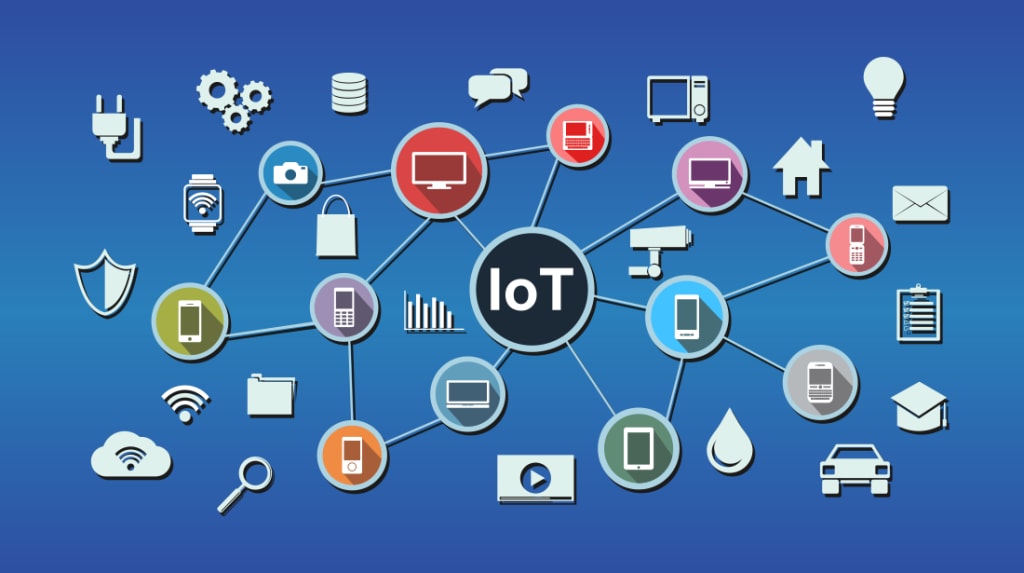
The Internet of Things (IoT) is a fast expanding network of real-world equipment, tools, and sensors that are linked to the internet and have the capability of exchanging data. By supplying real-time data, allowing automation, and enhancing decision-making procedures, IoT has the potential to alter a number of sectors. Here are a few instances of IoT applications in various industries:
1. Smart Homes: With the use of IoT devices, a house may be made more convenient, energy-efficient, and secure by automating and controlling a variety of home functions. IoT gadgets used in smart homes as examples include:
Smart thermostats: Depending on the residents' preferences, the time of day, and other variables, these gadgets may change the temperature in a house automatically. Moreover, they may figure out the residents' routines and regulate the temperature accordingly, saving energy and lowering heating and cooling expenses.
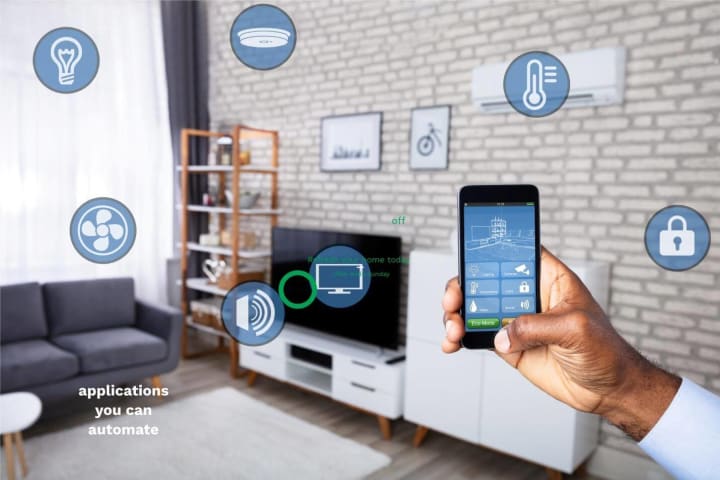
Lighting systems: Smart lighting systems allow users to turn lights on and off, modify brightness, and change colors using a smartphone app or voice commands. Moreover, they may be set to automatically turn on or off in response to particular events, such as when a person enters or exits a room.
Security cameras: IoT-enabled security cameras may stream real-time video feeds to a computer or smartphone, enabling homeowners to keep an eye on their house from anywhere. Moreover, some cameras can even recognise faces and give individualized notifications based on who is in the frame. They can also send alerts when motion is detected.
2. Healthcare: IoT devices may be used to remotely care for patients and monitor their health, allowing people to maintain contact with their doctors from home. The following are some instances of IoT devices utilised in healthcare:
Gadgets like glucose monitors, smartwatches, and fitness trackers can offer real-time information on a patient's heart rate, blood pressure, and other vital indicators. A healthcare professional can get this data and utilise it to monitor the patient's health and provide tailored suggestions.
Remote health monitoring systems: Patients may follow their health data over time by connecting IoT-enabled equipment like blood glucose meters, blood pressure monitors, and weight scales to their smartphone or PC. Healthcare professionals can use this information to monitor the patient's status and modify the patient's treatment plan as necessary.
Sensors for condition monitoring: These sensors may be installed on equipment to continuously monitor their performance, spotting irregularities and foretelling faults before they happen. This enhances worker safety while lowering maintenance costs and downtime.
Asset tracking systems: With the help of IoT-enabled tracking systems, managers may improve processes and cut waste by continuously monitoring the location and condition of supplies and equipment.
Systems that utilize machine learning algorithms to examine sensor data and foretell when maintenance is necessary are known as predictive maintenance systems. This lessens downtime and maintenance expenses.
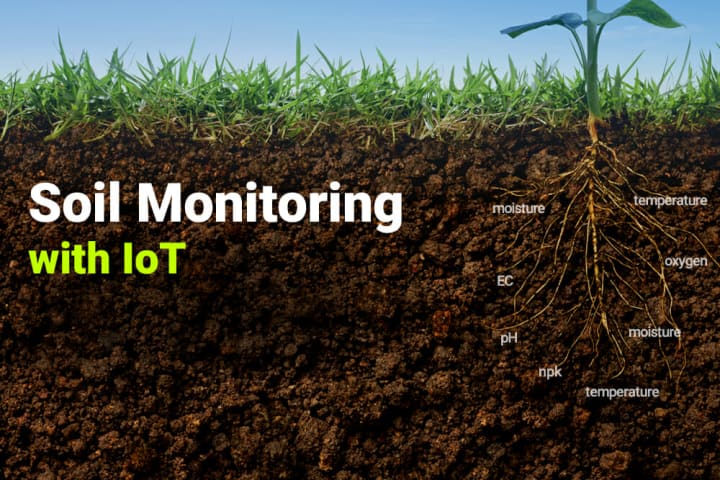
3.Agriculture: Farmers may improve crop growth and consume less water by using IoT sensors to monitor soil moisture levels, temperature, and other elements. Some instances of IoT equipment utilised in agriculture include:
Soil moisture sensors may be used to detect the moisture content of the soil and send that data to a farmer's computer or smartphone. This increases agricultural yields while maximising irrigation and conserving water.
Stations for monitoring the weather's variables, such as temperature, humidity, and precipitation, can be set up in a field. Planting schedules can be modified using this information in order to maximise crop growth.
ADVANTAGES OF IOT:
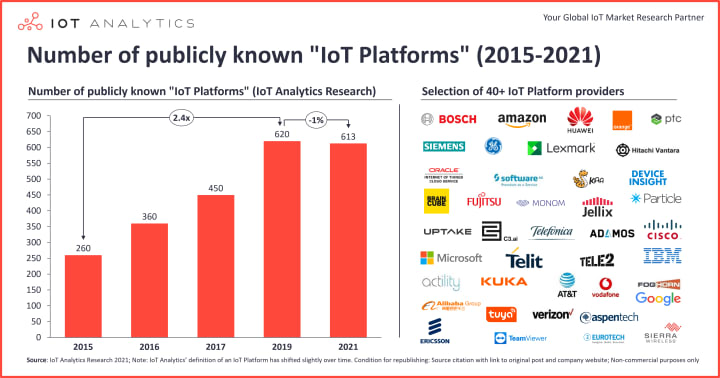
The Internet of Things (IoT) is a beneficial technology in many different businesses thanks to its many benefits. The following are some of the main benefits of IoT:
Increased Efficiency: The Internet of Things (IoT) enables devices to connect with one another, collect and analyse data, and take appropriate action. In many different areas, including manufacturing, shipping, and healthcare, this can result in increased production and efficiency. For instance, IoT-enabled devices may talk to one another to improve production schedules and decrease downtime.
Increased Automation: IoT may make a variety of operations more automated, requiring less manual involvement and increasing efficiency. Depending on the tastes and routines of the residents, IoT-enabled gadgets in a smart home, for instance, may automatically change the temperature, switch on the lights, and even place grocery orders.
Analysis of Real-Time Data: IoT devices may collect real-time data from sensors and other sources, allowing businesses to instantly evaluate and act on this data. Faster decision-making and better results may result from this. For instance, a hospital may monitor patient health using IoT devices and, if necessary, make prompt interventions.
Cost Savings: By enhancing productivity, lowering downtime, and optimising resource consumption, IoT can result in cost savings. IoT-enabled sensors, for instance, in a manufacturing facility can identify equipment breakdowns before they happen, minimising downtime and maintenance expenses.
About the Creator
Keep reading
More stories from SriDharshan J and writers in Education and other communities.
The History of AI
The earliest attempts to build intelligent devices by humans may be found in the history of artificial intelligence (AI). Robots and automata were supposedly made by the gods to carry out various jobs in Greek mythology. But the history of artificial intelligence as we know it now began in the middle of the 20th century when scientists and researchers started looking into the idea of building robots that could think and learn similarly to humans.
By SriDharshan J3 years ago in Education
Physical Grit at Work: How Strength and Endurance Shape Lasting Career Success
Professional success often connects to skills, education, and experience. These qualities are important for career development and long-term achievement. However, another factor also supports strong professional growth over time. That factor is physical grit, which many successful professionals develop through discipline and consistent effort.
By Richard Ceffalio Jr.about 16 hours ago in Education
RenWeb Login – FACTS Family Portal Guide 2026
Parents, students, and teachers often struggle to access grades, attendance records, assignments, and school announcements in one centralized place. Forgotten passwords, confusion about the district code, and uncertainty about platform updates create frustration. The solution lies in understanding how RenWeb works—now integrated into the FACTS system—and learning the correct RenWeb login process through the FACTS Family Portal. This complete 2026 guide explains everything clearly, including RenWeb SIS access, district code usage, teacher and student login steps, and troubleshooting tips.
By Zain Prince3 days ago in Education


Comments
There are no comments for this story
Be the first to respond and start the conversation.