
Quran Maqamat Training: Master Emotional Recitation Techniques
Quran Maqamat Training

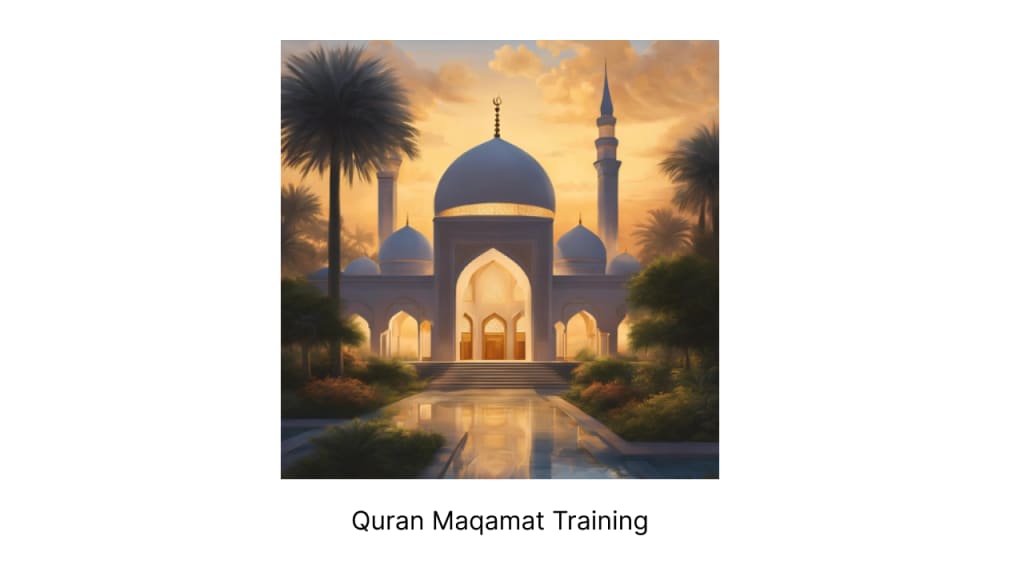
The art of Quranic recitation goes far beyond merely pronouncing Arabic words correctly. It's a profound spiritual journey that touches the heart and soul of both the reciter and the listener. Maqamat, the melodic modes used in Quranic recitation, are essential techniques that have been passed down through generations, enhancing the beautiful delivery of Allah's words.
Maqamat Course lies a deep understanding that proper recitation can move hearts and strengthen faith. The Qiratulquran Institute in the UK has emerged as a beacon of excellence in teaching these time-honored techniques, helping students worldwide connect with the Quran's message on a deeper emotional level.
The Foundation of Maqamat in Quranic Recitation
Maqamat comprises various melodic patterns and vocal techniques that have evolved from the earliest days of Islam. These patterns aren't merely musical arrangements; they're carefully crafted methods of recitation that enhance the meaning and impact of the sacred text. Each maqam (singular of maqamat) carries its own emotional resonance, making it suitable for different passages and meanings within the Quran.
The most commonly used maqamat in Quranic recitation include:
Rast: Known for its balanced and natural tone, often used for narrative verses
Bayati: Characterized by its emotional depth, perfect for verses about mercy and hope
Saba: Carries a melancholic tone, suitable for verses about accountability and warning
Hijaz: Distinguished by its moving melody, often used for dramatic and powerful verses
Nahawand: Features a sweet, flowing quality ideal for verses about Paradise and divine beauty
The Importance of Proper Training
Learning Quranic maqamat requires dedicated study under qualified teachers. The Qiratulquran Institute emphasizes the importance of proper guidance to ensure that recitation remains within Islamic guidelines while achieving maximum impact. Random experimentation with melodies, without proper understanding, can lead to inappropriate or disrespectful renditions of the sacred text.
Proper training involves several key components: Understanding the rules of Tajweed as a fundamental prerequisite, Learning breath control and voice modulation, Mastering the specific characteristics of each maqam, Developing the ability to transition smoothly between different maqamat, Practicing emotional connection while maintaining proper pronunciation.
Technical Aspects of Maqamat Training
Breath Control and Voice Projection
Mastering breath control is crucial for maintaining the quality and consistency of recitation. Students learn specialized breathing techniques that allow them to sustain long passages while maintaining proper pronunciation and melodic flow. This includes exercises for: Diaphragmatic breathing, Breath distribution across long verses, Voice sustainability during complex melodic patterns, Managing voice projection without strain.
Melodic Patterns and Transitions
Students begin by learning simple melodic patterns within each maqam before progressing to more complex arrangements. The training includes: Basic note progression within each maqam, Understanding the emotional character of different patterns, Practicing smooth transitions between maqamat, Developing awareness of which patterns suit different types of verses.
Emotional Connection in Recitation
Understanding the Text
A deep understanding of the Quranic text is essential for emotional recitation. Students are encouraged to: Study the meaning of the verses they're reciting, Understand the context and circumstances of revelation, Reflect on the message and its relevance, Connect personally with the divine message.
Developing Emotional Resonance
True mastery of maqamat involves developing the ability to convey the emotional essence of the verses through voice modulation. This includes: Matching the emotional tone to the meaning of the text, Using appropriate voice modulation for different passages, Maintaining emotional authenticity without overdramatization, Building a genuine connection with the divine words.
Professional Training at Qiratulquran Institute
The Qiratulquran Institute offers comprehensive training programs that combine traditional methods with modern teaching approaches. Their curriculum is structured to accommodate different learning levels and styles, from beginners to advanced students seeking to perfect their recitation.
Structured Learning Approach
The institute's training program is divided into several levels: Foundation: Focus on proper pronunciation and basic melodic patterns, Intermediate: Introduction to various maqamat and their applications, Advanced: Complex melodic arrangements and emotional expression, Professional: Mastery of all aspects of maqamat and public recitation.
Personal Development and Mentoring
Individual attention is a cornerstone of the institute's teaching methodology. Each student receives: Regular one-on-one sessions with qualified instructors, Personalized feedback on their progress, Custom exercises tailored to their voice type and capability, Guidance on developing their unique recitation style.
Practical Application and Performance
Building Confidence
The institute provides numerous opportunities for students to practice their skills in supportive environments: Regular group practice sessions, Periodic recitation gatherings, Feedback sessions with peers and instructors, Gradual exposure to public recitation.
Professional Development
For those pursuing professional paths in Quranic recitation, the institute offers: Advanced performance techniques, Public speaking skills, Microphone handling and sound system usage, Professional etiquette and presentation.
The Future of Maqamat Training
As technology advances, new opportunities emerge for learning and practicing maqamat. The Qiratulquran Institute embraces these developments while maintaining the authenticity of traditional teaching methods. Online learning platforms, recording analysis software, and virtual practice rooms complement traditional face-to-face instruction.
Conclusion
Mastering Quranic maqamat is a journey that requires dedication, patience, and proper guidance. The emotional depth and spiritual connection achieved through proper recitation techniques can transform both the reciter and the listener. Through institutions like Qiratulquran Institute, this beautiful tradition continues to flourish, ensuring that future generations can experience the full beauty and impact of Quranic recitation.
For those seeking to embark on this rewarding journey, the path to mastery is clear: begin with proper foundation, seek qualified instruction, practice regularly, and maintain sincere dedication to presenting Allah's words in the most beautiful and moving manner possible.
About the Creator
M Haseeb
Reading can be a fantastic way to unwind and take a break from the hustle and bustle. Reading has the power to transport you to another world, providing a much-needed escape and helping to reduce stress.
How BIM Improves MEP Coordination for Large-Scale Projects?
In large-scale construction projects—such as hospitals, airports, commercial towers, data centers, and industrial facilities—MEP (Mechanical, Electrical, and Plumbing) systems account for nearly 30–50% of total project cost. Yet, they are also the most coordination-intensive disciplines.
By Matt Sharon8 days ago in Education
Domestic Service
Good morning, today we will be looking into Domestic service within the Victorian and Edwardian Eras. The older generation watched “Upstairs, Downstairs”, and more recently there is the very popular series “Downton Abbey”, both which accurately portray what life was like for domestic servants during these two Eras.
By Ruth Elizabeth Stiff7 days ago in Education




Comments