
Lighting Mastery: A Comprehensive Guide for Event Planners and Producers
To create a truly effective lighting design, event planners must understand the basic principles that influence how light interacts with a space.
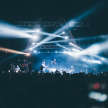

Lighting is an essential element in creating the perfect atmosphere for any event. While it often takes a backseat to other aspects like décor, catering, or entertainment, the impact of lighting cannot be overstated. Lighting helps shape the event experience, guides attendees' emotions, and ensures key moments are highlighted. Whether you're planning a corporate conference, a wedding, or a concert, mastering lighting is crucial to ensuring the event's success.
For event planners and producers, understanding the principles of lighting design and applying them effectively can be the difference between a good event and an unforgettable one. This comprehensive guide will explore the fundamental elements of lighting design, techniques to enhance the atmosphere, and practical tips to ensure lighting enhances the event’s overall experience.
The Essential Principles of Lighting Design
To create a truly effective lighting design, event planners must understand the basic principles that influence how light interacts with a space. The three key components of lighting are intensity, colour, and direction. Each of these factors plays an important role in shaping the atmosphere and guiding the guest experience.
The intensity of the light determines how bright or dim the space will feel. Intense, bright lighting creates a more energetic, focused environment, ideal for conferences or product launches. Conversely, soft, ambient lighting sets a relaxed mood for more intimate events such as weddings or dinners. Colour also plays a major role in lighting design. Different colours evoke different feelings: warmer tones create a cosy, inviting environment, while cooler hues offer a more contemporary, professional feel. The direction of light, or where the light is placed, can also significantly affect the space. Lighting from above or below can create dramatic effects, while side lighting can enhance a venue's textures and features. Understanding these components is the first step to mastering lighting design and ensuring it fits the event's needs.
Creating the Perfect Mood for the Event
Lighting has an incredible power to influence the mood of an event. By adjusting the intensity and colour of the light, planners can evoke specific emotions and create a memorable experience. For example, a romantic, warm glow is ideal for weddings and intimate gatherings, while a bright, energetic lighting setup works best for corporate events or lively social occasions.
In large events like conferences or trade shows, lighting can help emphasize key moments, such as the start of a presentation or the unveiling of a new product. By transitioning from brighter, more energetic lighting to softer, more intimate lighting throughout the day or evening, lighting design can mirror the flow of the event, making each moment feel appropriately distinct. Whether you are trying to inspire excitement or create a relaxing space, the strategic use of lighting will ensure the atmosphere aligns with the overall event experience.
Drawing Attention to Key Moments
Another important role of lighting is guiding guests' attention. In any event, some moments need to be highlighted, whether it's a keynote speaker, a performance, or a product showcase. Lighting can help ensure these key moments stand out by directing the audience’s focus.
Spotlights and focused beams are effective tools for highlighting specific areas, ensuring that attention is drawn to the right places at the right time. For example, during a corporate gala, the spotlight may shift to a guest of honour or a stage for speeches, while at a wedding, focused lighting can highlight the first dance or cake cutting. Proper lighting not only ensures that guests notice these moments but also helps create a sense of anticipation and drama. By using lighting to emphasize specific features or activities, you ensure that the event’s most important moments don’t go unnoticed.
Using Lighting to Reinforce Themes and Branding
Lighting is a powerful tool for reinforcing an event's theme or brand identity. Whether it's a corporate product launch, a holiday party, or a themed wedding, lighting design can help strengthen the overall aesthetic and messaging.
For corporate events, lighting can be aligned with a company’s brand colors or logo, reinforcing its identity. Projection mapping, which allows designers to project logos, images, and video content onto walls or floors, is a great way to make the brand’s presence known throughout the venue. This type of lighting design ensures that the brand remains front and centre, even in the background. For themed events, lighting can work in tandem with other décor elements to enhance the overall theme. Whether it’s a masquerade ball with dramatic lighting effects or a beach-themed event with blue lighting to evoke the ocean, lighting design reinforces the event’s visual story.
Enhancing the Visual Experience with Colour and Effects
Lighting’s ability to enhance the visual experience of an event cannot be overstated. One of the most important aspects of lighting design is its ability to manipulate colour. Colour has a profound psychological effect, and choosing the right hues can drastically affect the mood of the event.
For example, cool blues and purples can create a calm and elegant environment, while warm yellows, oranges, and reds bring a sense of warmth and excitement. In addition to colour, lighting effects such as projections, gobo lights, or moving lights can add another layer of visual interest to the event. Projections can turn the walls or floors into dynamic canvases, showcasing branding, patterns, or thematic imagery. Moving lights, which can be synchronized with the music, add an element of energy and excitement, perfect for a concert or dance party. Lighting design creates a visually stimulating environment that engages guests and makes the event memorable.
Integrating Technology for Dynamic Lighting Effects
As lighting technology continues to evolve, event planners now have access to tools that allow for dynamic, programmable lighting effects. The integration of smart lighting systems, LEDs, and automated fixtures makes it easier to create lighting that responds to the event's rhythm.
For instance, in live music performances or theatre productions, lighting can be synchronized with the music or performance, changing colour or intensity in time with the beats or action. Projection mapping, where images are projected onto physical surfaces, is another exciting technology that allows lighting to create 3D visuals that transform the space in dramatic ways. The possibilities are endless when it comes to using technology to craft a fully immersive experience for your guests. By incorporating the latest lighting technologies into your event design, you can create unforgettable experiences that captivate attendees.
About the Creator
Brian Casella
Brian Casella is an event lighting designer and property owner who blends creativity with business across the Northeast through design and real estate work.
Portfolio: https://briancasella.com/
Keep reading
More stories from Brian Casella and writers in Education and other communities.
Beyond the Spotlight: Why Event Power Planning Determines Success or Failure
When audiences attend a concert, conference, trade show, or festival, they rarely think about electricity. They notice the crisp sound, vibrant lighting, interactive screens, and seamless technology that shape their experience. What they do not see is the complex web of power systems working continuously behind the scenes. Yet without proper event power planning, none of these elements could function reliably, and the entire production would be vulnerable to failure.
By Brian Casella2 months ago in Education
The Reality of Narendra Modi | Truth Behind the Image
Narendra Modi is one of the most influential and controversial political leaders of the 21st century. Loved by millions and criticized by many, his personality, leadership style, and political journey have created a powerful image that dominates Indian politics and media. The “Reality of Narendra Modi” is not a simple story of success or failure—it is a complex mix of achievements, strategy, public perception, power politics, and propaganda.
By Irshad Abbasi 3 days ago in Education
The Role of Telehealth in Bridging the Rural-Urban Healthcare Divide
Telehealth has emerged as a powerful tool in addressing the disparities between rural and urban healthcare access. For individuals living in remote areas, accessing timely and quality medical care can be a significant challenge due to geographical barriers, provider shortages, and limited resources. Telehealth eliminates these obstacles by leveraging technology to connect patients with healthcare providers, ensuring equitable access to care regardless of location.
By Dr. Marshall Bahr5 days ago in Education


Comments