
PTFE PCB Performance: Why Materials Matter for High-Frequency Precision
PTFE PCB Performance

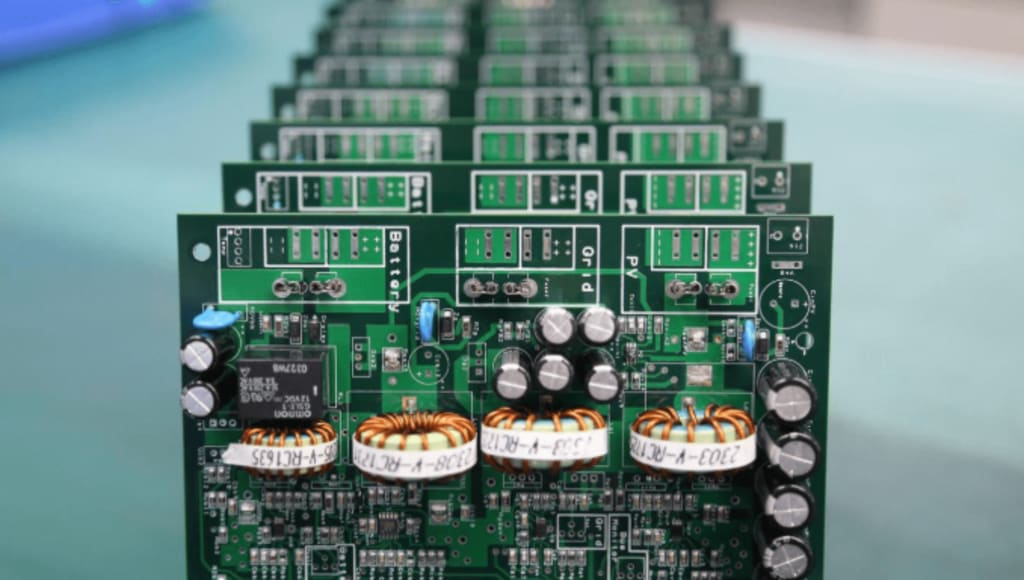
There is a moment every engineer reaches sooner or later. You’ve optimized the layout, triple-checked your impedance calculations, and followed every "best practice" on paper—yet the signal still doesn’t behave the way it should.
At high frequencies, theory only gets you so far. This is where PTFE (Polytetrafluoroethylene) PCB technology enters the conversation.
It isn't just a buzzword; it is a practical solution to the invisible problems that quietly ruin RF performance. However, as many seasoned designers know, the material alone doesn't guarantee success—execution does.
Understanding PTFE: The Gold Standard for High-Frequency
Polytetrafluoroethylene is better known in the consumer world for its non-stick properties, but in the world of electrical engineering, it is prized for its nearly ideal electrical characteristics.
At a basic level, a PTFE PCB uses a PTFE-based laminate instead of the conventional FR-4. This material shift provides several critical advantages:
Exceptionally Low Dielectric Constant (Dk): Essential for maintaining high-speed signal integrity.
Extremely Low Dissipation Factor (Df): Minimizes signal loss as heat.
High Thermal Stability: Maintains performance across extreme temperature ranges.
Moisture Resistance: Ensures electrical properties remain stable in humid environments.
These traits add up to cleaner signal transmission, especially as frequencies climb into the GHz range where standard materials begin to fail.
Why Standard FR-4 Falls Short
FR-4 is the backbone of the electronics industry because it is affordable and forgiving. For low-to-mid-frequency applications, it works beautifully. However, push FR-4 past its limits, and the physics of the material begin to work against you.
As frequencies rise, FR-4 experiences:
Rapid Dielectric Loss: The material absorbs too much of the signal energy.
Signal Attenuation: The strength of the signal drops off significantly over distance.
Phase Distortion: This can lead to timing issues and data errors in high-speed circuits.
This is why PTFE solutions aren’t "premium options"—they are technical necessities in RF (Radio Frequency), microwave, and millimeter-wave designs.
Real-World Applications of PTFE Technology
You will find PTFE-based boards at the heart of the most demanding modern technologies. They are not just theoretical; they are mission-critical in several sectors:
1. 5G and Satellite Communication
In base stations and satellite uplinks, consistent impedance and minimal loss directly translate to range and clarity. PTFE allows for the precision required to manage these high-bandwidth signals.
2. Automotive Radar and ADAS
Modern vehicles rely on 24 GHz and 77 GHz radar for lane detection and adaptive cruise control. At these frequencies, the signal integrity provided by PTFE is required to ensure safety-critical systems function without interference.
3. Aerospace and Defense
In environments where repair is impossible, PTFE FastTurn PCBs provide long-term electrical stability and predictable behavior across temperature extremes.
The Manufacturing Reality: A Precision Challenge
This is where the engineering challenges truly begin. PTFE is notoriously difficult to work with compared to standard laminates. It is softer, expands more under heat, and does not bond naturally to copper.
To successfully fabricate a PTFE board, manufacturers must employ specialized techniques:
Modified Drilling: To prevent deformation of the soft substrate.
Specialized Plasma Etching: To prepare the surface for bonding.
Tight Impedance Control: Managing trace geometry with extreme precision.
Even a minor shortcut in the fabrication process can lead to delamination, impedance mismatches, or layer misregistration. This is why the choice of a fabrication partner is often more important than the material selection itself.
Signal Loss and Thermal Stability
The Dissipation Factor (Df) is a critical metric in high-frequency design. A lower Df means less signal energy is lost as heat. PTFE excels here, delivering measurable improvements in insertion loss.
Furthermore, PTFE’s high melting point makes it ideal for harsh environments. However, thermal stability isn’t just about surviving heat—it’s about maintaining the board's electrical characteristics over time. A PCB that works during testing but "drifts" in the field due to temperature cycling is a major liability.
The Cost vs. Value Conversation
It is an industry reality: PTFE PCBs cost more than FR-4. The raw materials are more expensive, and the manufacturing process is more labor-intensive.
However, the real comparison should be system cost, not material cost. When a PTFE PCB reduces signal loss, improves efficiency, and eliminates the need for expensive rework or signal boosters, the long-term value becomes clear. In high-stakes industries, the cost of a signal failure far outweighs the cost of quality materials.
Final Thoughts: Bridging the Gap Between Theory and Reality
High-frequency design is a discipline where small deviations cause massive problems.
You can simulate endlessly, but real-world performance depends on the synergy between material science and manufacturing expertise.
PTFE FastTurn PCBs offer remarkable advantages for the modern engineer.
When built with a focus on precision and a deep understanding of the material's unique challenges, they allow technology to reach the high-frequency potential that today's world demands.
About the Creator
Ava Daisy
I write about fitness,and lifestyle trends, helping people achieve their goals. As a Certified Fitness Coach and Nutrition Expert with years of experience, I provide practical advice on exercise, healthy eating, and mental well-being.
My Deep Dive into FSC 55: Lumber, Millwork, Plywood and Veneer in Aviation Supply Chains
When I first explored the world of aviation parts supply classifications, Federal Supply Group (FSG) 55 — Lumber, Millwork, Plywood and Veneer caught my interest. At first glance, wood products might not seem to belong in aerospace or aviation. But once you understand how inventory systems like the NATO Stock Number (NSN) work in logistics, it suddenly makes sense.
By Beckett Dowhan5 days ago in Education



Comments
There are no comments for this story
Be the first to respond and start the conversation.