
Psychotherapy and Psychosocial Support
Psychosocial Support
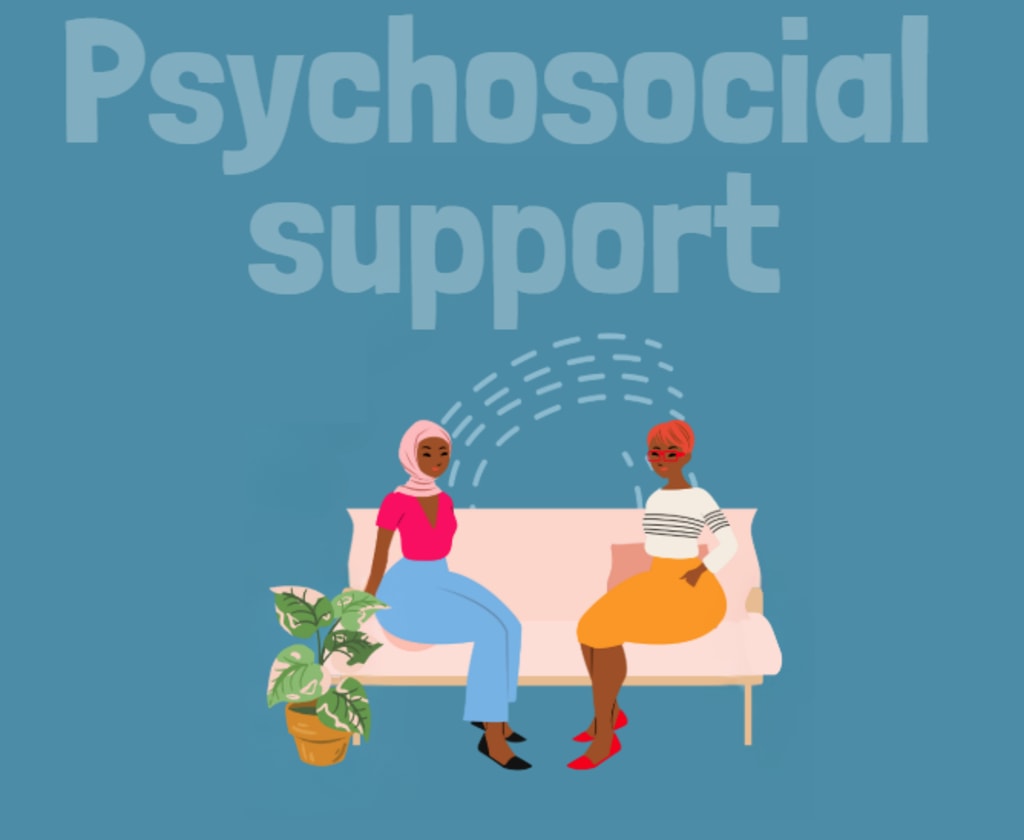
Cognitive Behavioral Therapy (CBT) helps patients manage symptoms like delusions and hallucinations by challenging irrational beliefs.
Family Therapy educates and supports families in caregiving roles, which can reduce the risk of relapse.
Social skills training improves interpersonal relationships and daily functioning.
Supported employment or education programs help individuals reintegrate into society.
3. Hospitalization
During acute psychotic episodes, or if there is a risk of harm, hospitalization may be necessary to stabilize the individual and start treatment.
4. Rehabilitation and Recovery
Recovery doesn’t always mean a cure. With ongoing treatment, many people can regain function and independence.
Recovery-focused programs emphasize:
- Empowerment and hope
- Building strengths and coping strategies
- Setting personal goals and improving quality of life
Long-Term Outlook
Schizophrenia varies from person to person:
- About one-third recover well with minimal symptoms.
- Another third experience moderate symptoms but manage to live relatively independently.
- The final third may have severe, persistent symptoms that require long-term care.
Early intervention, a strong support system, and consistent treatment greatly improve outcomes.
Living with Schizophrenia
Managing schizophrenia involves more than just taking medication:
- Develop a daily routine. Predictable habits promote stability.
- Avoid drug and alcohol use. These can worsen symptoms or interfere with medication.
- Educate yourself and your family. Understanding the illness reduces fear and helps build empathy.
- Build a support network. Friends, family, or support groups provide essential emotional backing.
- Monitor symptoms. Keep track of mood, sleep, and medication side effects.
- Practice stress management. Meditation, gentle exercise, and creative outlets can help reduce triggers.
Addressing Stigma
Schizophrenia is one of the most stigmatized mental illnesses and is often portrayed inaccurately in the media. Stigma can discourage individuals from seeking help or lead to isolation.
We can combat stigma by:
- Using person-first language (e.g., “person with schizophrenia,” not “schizophrenic”)
- Promoting an accurate understanding of the disorder
- Supporting inclusive policies and mental health advocacy
Supporting a Loved One
If someone you love has schizophrenia:
- Be patient and nonjudgmental.
- Encourage them to seek professional help.
- Learn about the illness together.
- Avoid confrontation during psychosis. Offer reassurance and seek help.
- Celebrate small victories and milestones.
- Take care of your own mental health.
In Conclusion
Schizophrenia is a serious but treatable condition. With early detection, medical care, psychotherapy, and social support, many people can manage their symptoms and lead fulfilling lives. Compassion, understanding, and ongoing communication are essential—not just for patients, but also for caregivers and communities.
If you or someone you care about shows signs of schizophrenia, don’t wait. Early intervention can change the course of the illness.
Visit: https://www.delhimindclinic.com/
https://www.craftcmsdeveloper.in/ Feel free to reach out if you'd like to make changes to your Craft website or just chat about your Craft project. I'm available for a free consultation!
Let me know when you're ready for Question 2: How does trauma affect the brain and mental health over time?
About the Creator
Keep reading
More stories from Naveen Garg and writers in Education and other communities.
What are the early warning signs of schizophrenia and how can it be treated?
Schizophrenia is a complicated, long-term mental health disorder that alters how a person thinks, feels, and acts. It is a serious condition that can greatly impact daily life if not treated early. Contrary to popular beliefs, schizophrenia does not involve having a "split personality" or being consistently violent. The key to dealing with schizophrenia is recognizing symptoms early, creating a solid treatment plan, and providing ongoing support.
By Naveen Garg6 months ago in Education
When Healing Leads the Way: How Outcome-Driven Healthcare Reshapes Systems, Costs, and Trust
Healthcare is at a crossroads. Rising costs, overwhelmed providers, and frustrated patients have exposed deep flaws in systems that prioritize financial performance over human well-being. For decades, success in healthcare was often measured by revenue, service volume, and utilization rates. While economic sustainability is essential, problems arise when profit becomes the primary goal rather than a byproduct of adequate care. Shifting the focus from profits to outcomes fundamentally changes how healthcare operates, who it serves, and how success is defined.
By Evan Weiss St Louis4 days ago in Education
Lean Management Principles in Healthcare: A Practical Guide to Better Patient Care
Lean management principles in healthcare focus on improving patient outcomes by reducing waste, streamlining workflows, and strengthening team collaboration. Originally developed in manufacturing, Lean has become a powerful approach for hospitals, clinics, and medical practices that want to deliver higher-quality care with fewer delays and less frustration.
By Brady Beitlich4 days ago in Education



Comments
There are no comments for this story
Be the first to respond and start the conversation.