
Psychological Impacts of Ageing and the Role of Family Support
Family Ties Help Deal With the Emotional and Mental Difficulties of Aging

Psychological Impacts of Ageing and the Role of Family Support
Ageing is a natural phenomenon as you live a lifetime of memories, experiences and transition. Within each stage of life, there are hundreds of physical, emotional and psychological changes. Although some handle this stage well, most struggle through great hardship, with its psychological toll. The heaviness of these changes can serve as a weight, but family, with their loving grace, can lighten this burden.
Ageing: Common Psychological Factors
Aging is often associated with emotional challenges that affect the quality of life. The death of old friends or a devoted partner leaves an unimaginable hole behind that can plunge one into profound loneliness and despair. That solitude can morph into depression if not addressed, with even small chores becoming a daunting hurdle.
The elderly are burdened by anxiety and the fear of being a burden to loved ones and caregivers. Many struggle with guilt, fearing they will become a burden. Their bodies slow down, health falters, and the heart aches with a sense of hopelessness.
Precious time and memories are taken away by memory loss and cognitive decline. Forget familiar faces or treasured memories, and many older people are feeling frustrated and vulnerable.
For a transition into retirement that is often touted as a time of relaxation, it can leave many people at a loss. Without daily interactions and a sense of direction, emotional void and desire for meaningful engagement sets in.
Family-Based Support for the Ageing: A Psycho-Social Perspective
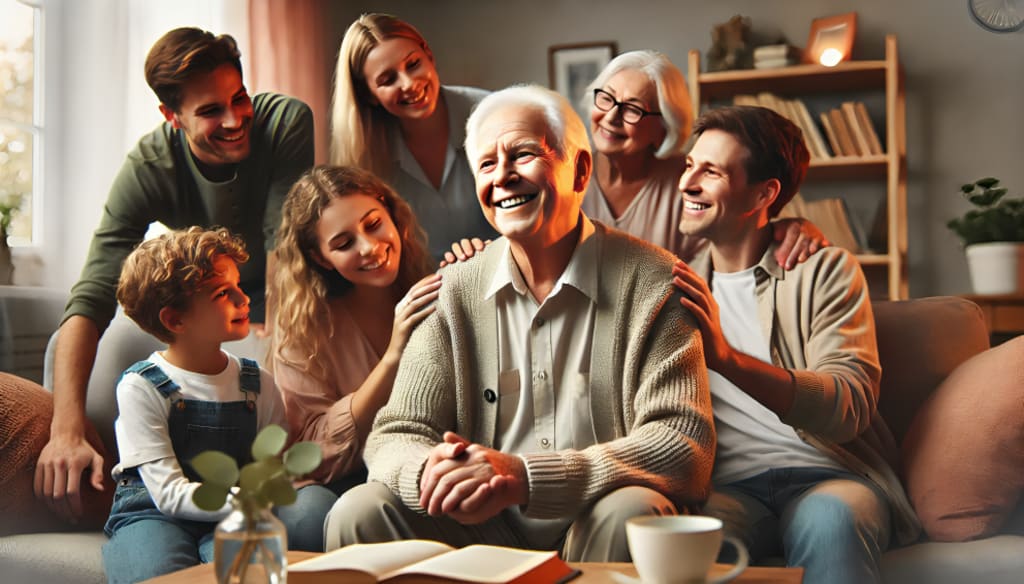
Family is an emotional anchor during the rough waters of ageing. In the elderly, the vibrant sounds of a child's voice, grandchildren's laughter, or the soft brush of somebody's hand against theirs can remind them that they are loved, valued and deserving.
Stimulating social interactions breathe life back into their eyes. Even going out for a stroll in the park, as seen in their festivities, and spending evenings quietly next to them can bring so much happiness and warmth to their lives.
Assisting with daily living tasks like cooking and taking medication might be little things but to an elderly person, these acts imply love, care and devotion. Perhaps a warm smile or a patience ear can go a long way to making them cope better on a daily basis.
By sharing stories, puzzles or trying out something new we are stimulating their minds that creates a spark of curiosity and joy. Relatives can serve an important function by maintaining their brain stimulated and their mood up.
Coping Strategies for Elderly People
It takes strength to navigate the trials of the elderly, strength from both the elderly and their loved ones. Morning walks or light exercises helps them feel good and also makes them feel accomplished.
Doing hobbies like gardening, painting, or reading provides blissful moments. It is not just each stroke of the brush or page turned that brings color to their lives.
Professionals provide a non-judgmental environment for them to share their fears and feelings. Families can encourage help-seeking behavior at the right time, by showing that they can ask for help always.
Creating a daily routine is a great way to gain a sense of control given the uncertainty that comes with ageing. Schedules for meals, rest and activities help establish a comforting rhythm to their days.
How Families Can Facilitate Mental Health Recovery
Its the tool needed to build a bridge across generations — patience. As you age, life can become a vicious cycle, and what a family takes away can make the difference between frustration and reassurance.
These events in which the elderly are included have less to do with basic courtesy and more to do with the mere fact that they are members of the family. A simple invitation for dinner or a tea and their hearts will be filled with warmth.
Sometimes it’s the little things that mean more than anything—holding their hand, listening to their stories for the hundredth time, or just showing up. These little moments of camaraderie become their source of fortitude.
Conclusion
Aging is not only a series of challenges, but also beautiful times. And yet, having family support, this journey is not as bad and beautiful. Families are the light that can help the aged navigate through the darkness of loneliness and fear, making them feel loved and respected while ensuring their mental health. Ultimately, it is not just about adding years to life but adding life to years.
About the Creator
Afroza Begum Ove
I am a passionate article writer known for crafting compelling narratives across diverse topics have a keen eye for detail and a creative flair, deliver insightful and engaging content that resonates with readers and leave a lasting impact.
Keep reading
More stories from Afroza Begum Ove and writers in Education and other communities.
Rabbi Ilan Glazer on the Ethics of Belonging, Conflict, and Community in Jewish Life
Rabbi Ilan Glazer is a Jewish clergy leader whose work centers on community, ethics, and ritual life. He has served in congregational settings, including a synagogue in Memphis, Tennessee, and has also worked in non-congregational rabbinic roles. Drawing on experience in Israel and the United States, he reflects on how communities balance welcome and boundaries, manage conflict, and build accountability. Glazer speaks candidly about power dynamics, professional burnout, and the pressures of constant digital access. He emphasizes Shabbat as an anchor of Jewish time and highlights b'tzelem Elohim as a guiding ethic of human dignity in contemporary synagogue life today.
By Scott Douglas Jacobsen5 days ago in Education




Comments
There are no comments for this story
Be the first to respond and start the conversation.