
PROMOTING FOOD SAFETY
The Importance of Personal Hygiene in the Kitchen
Introduction:
Food safety is a critical aspect of our daily lives, as it directly impacts our health and well-being. Ensuring that the food we consume is safe and free from contaminants is essential to prevent foodborne illnesses. In this article, we will delve into the various aspects of promoting food safety, including the importance of personal hygiene, proper food handling and storage, and effective cleaning and sanitation practices.
The Importance of Personal Hygiene:
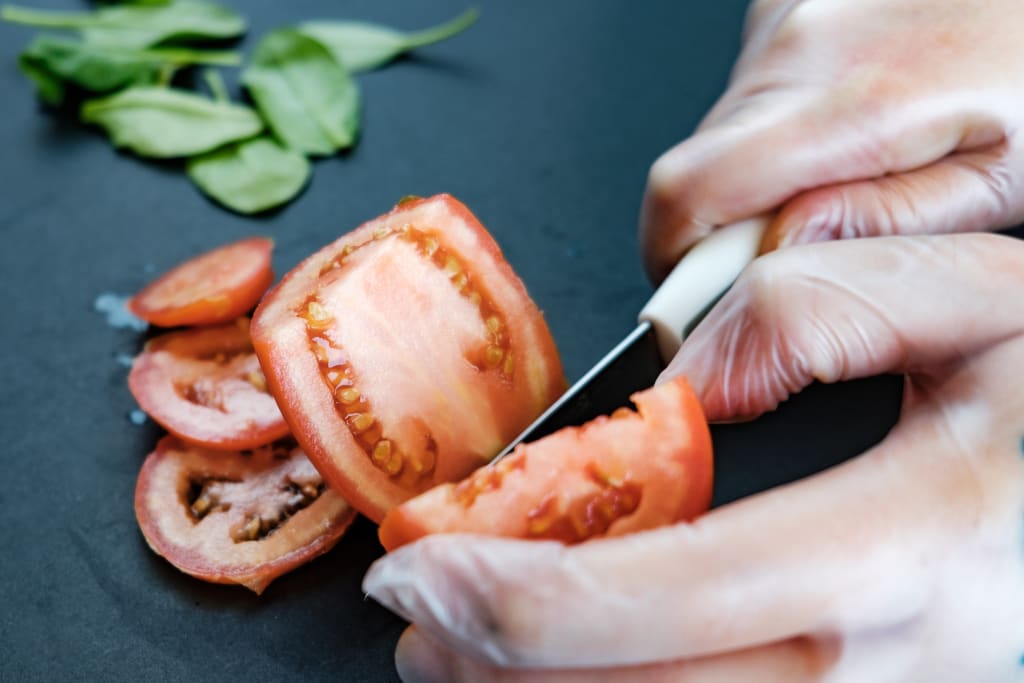
Personal hygiene plays a pivotal role in maintaining food safety. Proper personal hygiene practices among food handlers significantly reduce the risk of foodborne illnesses. Food handlers should follow these key guidelines:
a) Handwashing: Thorough handwashing is the foundation of personal hygiene in the kitchen. Hands should be washed with soap and warm water for at least 20 seconds before handling any food, after using the restroom, after touching raw meat or poultry, and after handling any potentially contaminated surfaces.
b) Protective Clothing: Food handlers should wear clean and appropriate protective clothing, such as aprons and hairnets, to prevent the transfer of bacteria or other contaminants from their bodies to the food.
c) Illness and Injuries: Food handlers should be educated on the importance of reporting any illness or injuries that could potentially contaminate the food. Those with communicable diseases or infections should be restricted from handling food until they have fully recovered.
Proper Food Handling:
To maintain food safety, it is crucial to adhere to proper food handling practices. The following guidelines should be followed:
a) Cross-contamination Prevention: Cross-contamination occurs when harmful bacteria are transferred from one surface or food item to another. To prevent this, separate raw meats and poultry from ready-to-eat foods, use separate cutting boards and utensils for different types of foods, and store them appropriately in the refrigerator.
b) Safe Thawing: Thawing food properly is essential to prevent the growth of bacteria. The recommended methods include thawing in the refrigerator, using cold water, or using the microwave, ensuring that the food reaches a safe temperature promptly after thawing.
c) Cooking Temperatures: Cooking food to the appropriate internal temperatures is crucial for eliminating harmful bacteria. Using a food thermometer, ensure that meats, poultry, fish, and other potentially hazardous foods reach their required minimum internal temperatures.
d) Safe Storage: Proper storage of food prevents bacterial growth. Perishable foods should be stored at temperatures below 40°F (4°C) in the refrigerator and at temperatures below 0°F (-18°C) in the freezer. Additionally, food should be labeled with the date of preparation or expiration to ensure timely consumption.
Effective Cleaning and Sanitation Practices:
Maintaining a clean and sanitized kitchen environment is essential to prevent the growth and spread of harmful bacteria. Consider the following practices:
a) Surface Cleaning: All kitchen surfaces, including countertops, cutting boards, and utensils, should be thoroughly cleaned before and after use. Using hot, soapy water and sanitizing solutions is crucial for effective cleaning.
b) Equipment Maintenance: Regular cleaning and maintenance of kitchen equipment, such as ovens, grills, refrigerators, and dishwashers, are vital to ensure proper functionality and prevent contamination.
c) Proper Waste Disposal: Appropriate waste management is necessary to prevent the attraction of pests and the growth of bacteria. Garbage should be securely stored in covered bins, and waste should be disposed of regularly.
d) Cleaning Schedule: Establishing a regular cleaning schedule ensures that all areas of the kitchen are regularly maintained and prevents the buildup of dirt and bacteria.
Conclusion:
Promoting food safety is everyone's responsibility, from food handlers in professional kitchens to individuals preparing meals at home. By understanding and implementing proper personal hygiene practices, following safe food handling guidelines,
About the Creator
Keep reading
More stories from writers in Education and other communities.
5 Essential Tools You Need to Work Remotely
Remote work has moved from being a perk to a permanent way of working for millions of professionals worldwide. While working from home or anywhere with an internet connection offers flexibility and freedom, success in a remote environment depends heavily on the tools you use.
By Bahati Mulishi2 days ago in Education
The Dark Engine: France’s Carbon Black Evolution and the USD 863.78 Million Future (2026-2034)
France has long been a global pioneer in automotive engineering and chemical innovation, but in 2026, one of its most critical industrial materials is undergoing a quiet, high-tech revolution. Carbon Black the soot-like material that gives tires their strength and plastics their durability is no longer just a commodity. Driven by the aggressive transition to Electric Vehicles (EVs), stringent EU environmental mandates, and a nationwide shift toward the circular economy, the France carbon black market is entering a era of sophisticated growth. According to latest research, the market was valued at USD 597.72 Million in 2025 and is projected to reach USD 863.78 Million by 2034, exhibiting a steady CAGR of 4.18% during 2026-2034.
By Neeraj kumarabout 11 hours ago in Education




Comments (1)
Nice