
Professors Are Being Watched: ‘We’ve Never Seen This Much Surveillance’
From classrooms to social media, faculty face unprecedented scrutiny Surveillance culture reshapes higher education Universities deploy new tools to track speech and behavior Scholars warn of chilling effect on research and debate Technology and politics collide on campus Monitoring policies spark backlash from faculty unions Fear replaces trust in modern classrooms Academic independence under growing threat

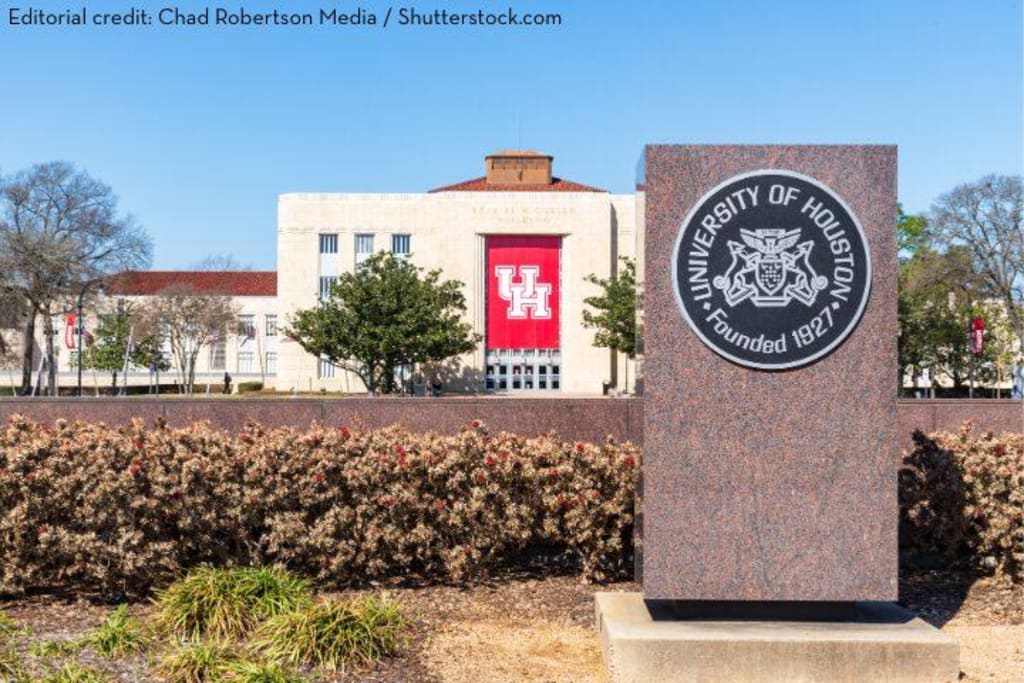
University professors across several countries are reporting an unprecedented rise in monitoring of their teaching, research, and public speech, raising concerns about academic freedom and the future of open inquiry. From recorded lectures and classroom informants to digital tracking and social media scrutiny, faculty members say the level of surveillance they now face is unlike anything seen in modern higher education.
Civil liberties groups warn that the trend reflects a broader climate of political polarization, national security anxiety, and ideological conflict that is reshaping universities into contested spaces where professors are increasingly treated as potential risks rather than independent scholars.
“We’ve never seen this much surveillance of faculty,” said a senior researcher at an academic freedom watchdog organization. “What used to be isolated incidents are now becoming systematic.”
Monitoring Inside the Classroom
In several recent cases, students have recorded lectures without professors’ knowledge and submitted clips to outside advocacy groups or government agencies, accusing instructors of political bias or inappropriate speech. Some professors say administrators have quietly installed additional classroom recording systems or requested access to lecture content in advance.
At a large public university in the United States, a history professor described receiving an email from administrators informing him that his lectures would be reviewed after complaints from anonymous sources.
“It felt like I was being interrogated rather than evaluated,” he said. “My course is about political movements. That alone seems to make it suspicious now.”
Universities defend some monitoring as part of quality control or compliance with harassment and discrimination policies. But faculty unions argue that the line between oversight and surveillance is being crossed.
Digital Surveillance and Social Media Scrutiny
Beyond the classroom, professors say their online lives are increasingly under watch. Academic tweets, blog posts, and even private comments in virtual classrooms have been flagged and forwarded to employers or politicians.
In one case, a professor specializing in Middle Eastern politics faced an internal investigation after screenshots of a social media post criticizing a foreign government were circulated by a political group. Although no formal wrongdoing was found, the professor said the experience was chilling.
“You start thinking twice before speaking,” she said. “That’s the point of surveillance—it creates fear.”
Cybersecurity experts note that universities now use software that can track email communications, monitor internal messaging platforms, and analyze lecture recordings for “compliance risks.” While such tools were initially designed for data protection and campus safety, they are increasingly applied to content and behavior.
Political Pressure and National Security Concerns
Governments in several countries have expanded scrutiny of academic institutions in the name of national security. Laws requiring disclosure of foreign research funding, collaborations, and travel have grown stricter, particularly for scientists and political scholars working on China, Russia, the Middle East, and emerging technologies.
In some regions, faculty members must report contacts with overseas colleagues or face penalties. Critics argue these measures blur the line between legitimate security concerns and ideological policing.
“Universities are becoming extensions of the security state,” said a legal scholar who studies higher education policy. “That fundamentally changes what universities are supposed to be.”
The pressure is not limited to authoritarian countries. Democratic nations have also seen increased political involvement in curriculum decisions and research agendas, especially on topics such as race, gender, war, and foreign policy.
Impact on Teaching and Research
Many professors report self-censorship as a result of constant scrutiny. Sensitive topics are avoided, controversial authors removed from syllabi, and classroom debates tightly controlled to prevent misunderstandings.
A sociology professor said she now records every lecture herself for legal protection. “I need proof of what I actually said,” she explained. “It’s defensive teaching.”
Graduate students and junior faculty are especially vulnerable. Without tenure protections, they risk losing jobs or funding if accused of violating vague conduct rules.
Some universities have also introduced anonymous reporting systems that allow students or staff to flag instructors for “concerning behavior.” While intended to promote inclusion, faculty groups warn these systems can be weaponized for political or personal grievances.
Universities Defend Policies
University administrators insist that surveillance measures are not meant to suppress ideas but to ensure safety and accountability. Many point to rising threats, online harassment, and campus tensions as reasons for stronger monitoring systems.
“We are responsible for protecting students and staff,” said a university spokesperson. “That includes responding to complaints and maintaining respectful learning environments.”
However, transparency remains a key concern. Faculty members often do not know when they are being monitored, how data is used, or who has access to recordings and reports.
A Global Trend
International academic organizations say the problem is growing worldwide. In Europe, new laws regulating “political neutrality” in classrooms have raised alarms. In parts of Asia and the Middle East, surveillance of professors has long been common, but digital tools have made it far more pervasive.
“What’s new is the scale and technology,” said an official from a global education group. “Surveillance used to be physical. Now it’s constant and invisible.”
The Future of Academic Freedom
Legal challenges are beginning to emerge. Faculty unions and civil rights groups are pushing for clearer boundaries between legitimate oversight and intrusive monitoring. Some courts have ruled that academic speech deserves strong protection, but enforcement remains uneven.
For many professors, the fear is not just disciplinary action but the erosion of trust between teachers and students.
“The classroom should be a place of curiosity and disagreement,” one professor said. “If everyone is watching everyone else, that disappears.”
As universities balance safety, politics, and technology, the question remains whether higher education can preserve its core mission: fostering independent thought in an age of constant observation. The answer may determine not only the future of academia, but the health of democratic debate itself.
About the Creator
Fiaz Ahmed
I am Fiaz Ahmed. I am a passionate writer. I love covering trending topics and breaking news. With a sharp eye for what’s happening around the world, and crafts timely and engaging stories that keep readers informed and updated.
Keep reading
More stories from Fiaz Ahmed and writers in Education and other communities.
Seven Books to Read When You Have No Time to Read
Modern life rarely leaves room for long, uninterrupted reading sessions. Between work, family, notifications, and daily responsibilities, finding hours to sit with a thick novel can feel impossible. Yet reading remains one of the most rewarding ways to relax, learn, and escape the noise of everyday life. The good news is that not all books demand weeks of commitment. Some are short, fast-paced, and powerful enough to be read in brief moments—during commutes, lunch breaks, or just before sleep. If your schedule is packed but your love for books remains strong, here are seven perfect reads for when time is limited but curiosity is not. 1. “The Old Man and the Sea” by Ernest Hemingway This classic novella is proof that a small book can carry enormous emotional weight. At just over 100 pages, Hemingway’s story of an aging fisherman battling a giant marlin is simple yet deeply symbolic. The language is clear and direct, making it easy to read in short sessions. Despite its brevity, the book explores themes of endurance, pride, and humanity’s relationship with nature. It is a reminder that you do not need a long novel to experience literary greatness. 2. “Animal Farm” by George Orwell Few books manage to be both entertaining and politically sharp in such a compact form. Orwell’s allegory of farm animals overthrowing their human owner is short, gripping, and unforgettable. The story moves quickly, with simple language and strong symbolism that makes it ideal for busy readers. You can read a chapter in minutes and still feel like you’ve engaged with something meaningful and thought-provoking. 3. “We Should All Be Feminists” by Chimamanda Ngozi Adichie Adapted from a popular TED Talk, this slim book packs a powerful message into fewer than 70 pages. Adichie discusses gender, culture, and equality in a personal and accessible way. It is perfect for readers who want insight without long explanations. The conversational tone makes it feel less like homework and more like a thoughtful conversation with a friend. 4. “Of Mice and Men” by John Steinbeck Steinbeck’s short novel about friendship and dreams during the Great Depression is emotionally rich but easy to follow. The characters of George and Lennie stay with readers long after the final page. Its short chapters and clear narrative make it ideal for those who can only read in small bursts. Despite its simplicity, the book deals with loneliness, hope, and tragedy in a powerful way. 5. “The Little Prince” by Antoine de Saint-Exupéry Often seen as a children’s book, The Little Prince is deeply philosophical and touching for adults as well. With short chapters and gentle illustrations, it is easy to read in one or two sittings. The story reflects on love, responsibility, and the loss of childhood wonder. It is a comforting book for readers who want something meaningful but not mentally exhausting. 6. “Letters to a Young Poet” by Rainer Maria Rilke This book is a collection of short letters rather than a continuous story, making it ideal for fragmented reading time. Each letter stands alone and offers wisdom about creativity, self-doubt, and personal growth. You can read one letter in five minutes and still feel enriched. It is perfect for readers who want inspiration without committing to a long narrative. 7. “The Alchemist” by Paulo Coelho Coelho’s famous novel is written in simple language and short chapters, making it highly accessible. The story follows a young shepherd on a journey to find treasure, but its true focus is on purpose, destiny, and listening to one’s heart. Many readers finish this book quickly because of its smooth pacing and motivational tone. It is ideal for moments when you want encouragement rather than complexity. Why Short Books Matter Short books are not lesser books. In many cases, they demand more discipline from the author and offer greater focus for the reader. When time is scarce, these works provide a sense of completion and accomplishment. Finishing a book—even a small one—can restore confidence and reignite the habit of reading. They also suit modern lifestyles. A few pages before bed or during a commute can slowly build into a meaningful reading experience. Instead of waiting for the perfect free weekend, short books allow reading to fit into everyday life. Making Reading Possible Again If you feel too busy to read, the solution is not to quit—it is to adjust expectations. Choose books that match your schedule. Keep one in your bag or on your phone. Replace five minutes of scrolling with five minutes of reading. Over time, these small moments add up. Conclusion Reading does not require endless free time. It requires intention and the right kind of books. These seven titles prove that powerful stories and ideas can be delivered in short, accessible forms. Whether you want inspiration, reflection, or escape, there is always room for a book—even in the busiest life. When time is limited, let these books remind you that literature does not have to be long to be lasting.
By Fiaz Ahmed a day ago in Education
Let the Air Flow: Why Better Ventilation Makes Your Home Healthier
Fresh air is something we often take for granted, yet it plays a massive role in how comfortable and healthy our indoor spaces feel. Many homes are designed to be tightly sealed for energy efficiency, but this can sometimes trap stale air, moisture, and pollutants inside. Ventilation matters because it helps replace indoor air with cleaner outdoor air, improving comfort, supporting health, and even protecting your home. The good news is that bringing fresh air inside does not always require expensive systems or significant renovations. Simple, thoughtful steps can make a noticeable difference.
By Lickety Splita day ago in Education
Engineering and Construction Expertise in Oil and Gas EPC Projects
Oil and gas engineering, procurement, and construction (EPC) services play a vital role in developing energy infrastructure across the world. These services cover the complete lifecycle of large-scale energy projects, from initial design and engineering to material sourcing, construction, and final commissioning. As global energy needs continue to evolve, oil and gas EPC activities remain essential for ensuring reliable energy production, transportation, and processing.
By Bobby Yadav2 days ago in Education
Dead and Wearing Green
She was wearing that green dress when I first saw her, five years ago to the day. Flowing meadow fabric draped over long legs, thick auburn hair flowing down her back. That smile. Of course, she is still beautiful now. But now she is no longer alive.
By Karen Cave7 days ago in Fiction


Comments
There are no comments for this story
Be the first to respond and start the conversation.