
Engineering and Construction Expertise in Oil and Gas EPC Projects
Ensuring Safe Efficient and Compliant Energy Infrastructure Development

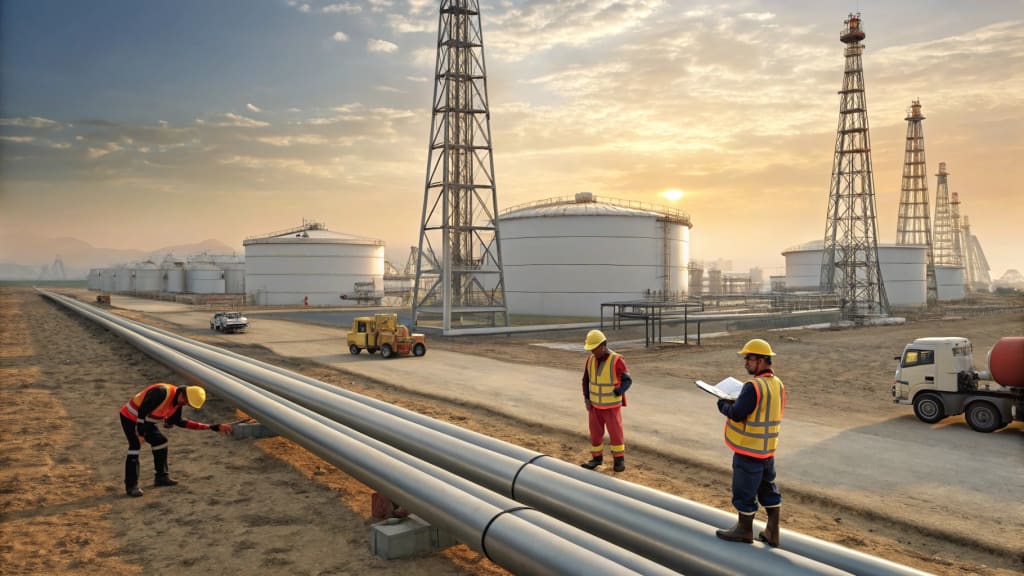
Oil and gas engineering, procurement, and construction (EPC) services play a vital role in developing energy infrastructure across the world. These services cover the complete lifecycle of large-scale energy projects, from initial design and engineering to material sourcing, construction, and final commissioning. As global energy needs continue to evolve, oil and gas EPC activities remain essential for ensuring reliable energy production, transportation, and processing.
EPC providers act as the backbone of complex oil and gas projects, delivering integrated solutions that balance technical precision, safety, cost control, and timely execution.
Understanding Oil and Gas EPC Services
Oil and gas EPC services involve managing and executing large, technically demanding projects such as refineries, pipelines, offshore platforms, processing plants, and storage facilities. EPC contractors take responsibility for project delivery under a single contract, reducing risks for operators and ensuring accountability throughout the project timeline.
These services require deep expertise in engineering design, supply chain coordination, construction management, and regulatory compliance. The ability to deliver projects efficiently and safely is critical in an environment where operational reliability and environmental responsibility are top priorities.
Value and Future Outlook
The oil and gas EPC market size reached USD 55.1 Billion in 2025, reflecting steady investment in energy infrastructure and project development. This valuation highlights the continued importance of EPC services in supporting upstream, midstream, and downstream oil and gas activities.
Looking ahead, IMARC Group expects the market to reach USD 78.5 Billion by 2034, indicating sustained progress over the coming years. This expansion represents a compound annual growth rate (CAGR) of 4.00% during the period from 2026 to 2034. The upward trend is supported by rising global energy demand, ongoing technological advancements, and increasingly stringent regulatory policies shaping project execution standards.
Rising Global Energy Demand as a Key Driver
Growing population levels, urbanization, and industrial development continue to drive global energy consumption. Oil and gas remain critical components of the global energy mix, particularly for transportation, manufacturing, and power generation.
To meet this demand, new exploration, production, and processing facilities are required, along with upgrades to existing infrastructure. Oil and gas EPC services enable these developments by delivering complex projects that expand capacity and improve operational efficiency.
Role of Technological Advancements
Technology has become a major influence on oil and gas EPC activities. Advanced engineering software, digital modeling, and simulation tools improve project planning and design accuracy. These technologies help reduce errors, optimize resource use, and enhance overall project performance.
Automation, modular construction techniques, and digital project management platforms are also improving execution efficiency. By adopting innovative approaches, EPC contractors can reduce construction timelines, improve safety outcomes, and manage costs more effectively.
Regulatory Policies and Compliance Requirements
Stringent regulatory policies play a significant role in shaping oil and gas EPC projects. Governments and regulatory bodies enforce strict standards related to environmental protection, worker safety, and operational integrity. EPC contractors must ensure full compliance with these requirements throughout project development.
Environmental impact assessments, emissions control measures, and safety management systems are now integral to EPC project planning. Compliance not only ensures legal adherence but also enhances project credibility and long-term sustainability.
EPC Services Across Oil and Gas Segments
Oil and gas EPC services span multiple segments, each with distinct requirements and challenges.
Upstream Projects
These include exploration and production facilities, offshore platforms, and drilling infrastructure. EPC contractors must manage complex technical conditions and remote operating environments.
Midstream Projects
Midstream EPC services focus on pipelines, storage terminals, and transportation systems. Reliability, safety, and regulatory compliance are critical in these projects.
Downstream Projects
Downstream EPC activities involve refineries, petrochemical plants, and processing units. These projects emphasize efficiency, product quality, and environmental control.
Focus on Safety and Risk Management
Safety is a central concern in oil and gas EPC projects due to the hazardous nature of operations. EPC contractors implement comprehensive safety management systems, training programs, and monitoring procedures to protect workers and assets.
Risk management strategies include detailed planning, contingency preparation, and continuous monitoring. These practices help minimize disruptions, prevent accidents, and ensure smooth project execution.
Global Project Execution and Regional Activity
Oil and gas EPC projects are executed across diverse regions, including mature energy-producing areas and emerging economies. Developing regions invest in infrastructure to support economic growth, while established regions focus on modernization and efficiency improvements.
EPC contractors with global experience are better positioned to manage varying regulatory frameworks, climatic conditions, and logistical challenges. This global capability enhances project reliability and delivery consistency.
The Future of Oil and Gas EPC Services
The future of oil and gas EPC services will be shaped by efficiency, innovation, and responsible project delivery. Digitalization, advanced construction methods, and integrated project management approaches are expected to become standard practices.
At the same time, EPC contractors will continue adapting to regulatory changes and environmental expectations. Emphasis on emissions reduction, energy efficiency, and safe operations will remain central to project planning and execution.
With the market growing from USD 55.1 Billion in 2025 toward USD 78.5 Billion by 2034, supported by a CAGR of 4.00% from 2026 to 2034, oil and gas EPC services are set to maintain their importance in global energy development.
Conclusion
Oil and gas EPC services are essential for building and maintaining the infrastructure that supports global energy needs. Through engineering expertise, coordinated execution, and strict compliance with safety and environmental standards, EPC contractors enable reliable energy production and distribution.
As energy demand rises and projects become more complex, the role of oil and gas EPC services will continue to evolve. By embracing technology, prioritizing safety, and meeting regulatory expectations, EPC providers will remain key contributors to the future of global energy infrastructure.
About the Creator
Bobby Yadav
Experienced research analyst with a strong background in market research, data analysis, and industry trend evaluation. Skilled in delivering actionable insights, market forecasts, and strategic recommendations to support business growth.
Keep reading
More stories from Bobby Yadav and writers in Education and other communities.
Keeping Digital Infrastructure Efficient Through Advanced Data Center Cooling Solutions
Data centers are the foundation of today’s digital world, supporting cloud computing, artificial intelligence, streaming services, financial systems, and enterprise operations. As computing workloads grow more complex and energy-intensive, managing heat within data centers has become a critical priority. Data center cooling solutions play a vital role in maintaining performance, protecting equipment, and ensuring uninterrupted operations.
By Bobby Yadava day ago in Education
The Great Library of Imagination*:
The Great Library of Imagination In the heart of the city, where the streets were lined with ancient trees and the buildings whispered secrets to each other, there was a small, unassuming door tucked away in a narrow alley. The door was old and worn, with intricate carvings of fantastical creatures and symbols that seemed to shift and shimmer in the flickering light of the street lamps. Few people noticed the door, and even fewer knew what lay beyond it.
By Talhamuhammad6 days ago in Education
Not Just For Clean Up: A History Of The MCU's Department of Damage Control
Initially an organisation that seemed to exist to help the heroes of the Marvel Cinematic Universe, from Phase Four onwards, the Department of Damage Control has shifted into a more antagonistic role. Most recently seen in the Wonder Man series, the current incarnation of Damage Control seems to target superpowered individuals, regardless of whether that person poses an active or intentional threat.
By Kristy Anderson2 days ago in Geeks



Comments
There are no comments for this story
Be the first to respond and start the conversation.