
Preserving Natural Treasures
Innovative Conservation Efforts

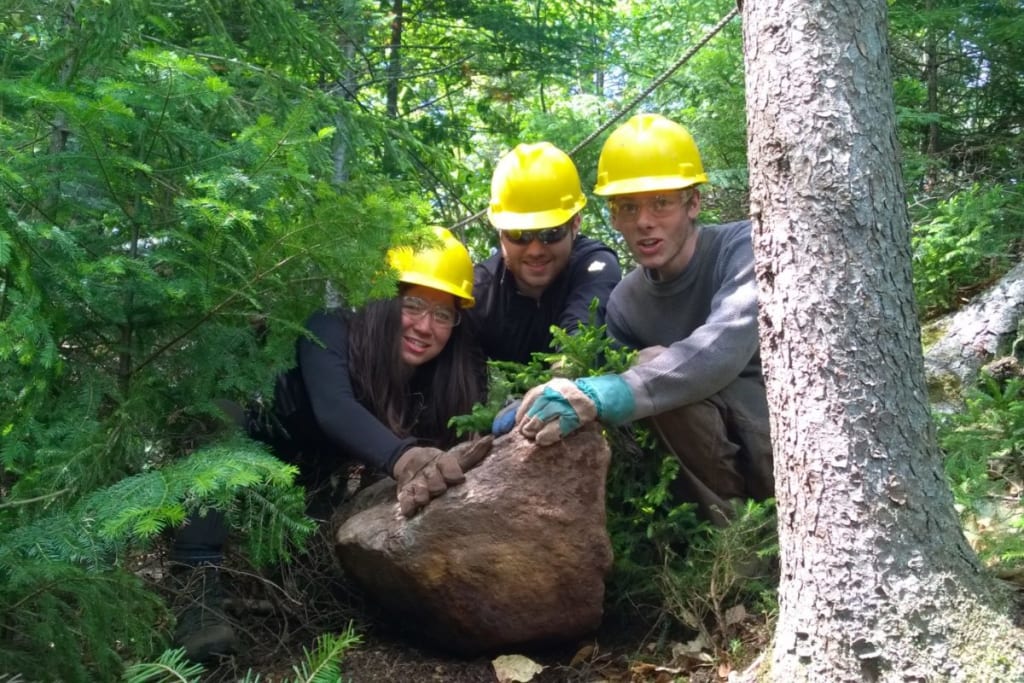
Our planet is a breathtaking tapestry of natural wonders, teeming with diverse ecosystems, rare species, and awe-inspiring landscapes. However, the increasing threats of climate change, habitat destruction, and biodiversity loss have placed our natural treasures at risk. In response, innovative conservation efforts have emerged, driven by a collective determination to protect and preserve these invaluable assets for future generations.
One such pioneering initiative is the use of advanced technology to monitor and safeguard fragile ecosystems. Drones equipped with high-resolution cameras and sensors now provide an aerial view of remote regions, enabling scientists and conservationists to map habitats, identify endangered species, and detect potential threats. By employing artificial intelligence algorithms, these drones can analyze vast amounts of data and provide valuable insights for targeted conservation strategies. This innovative approach not only enhances our understanding of ecosystems but also helps streamline conservation efforts in a cost-effective manner.
In addition to technology, collaborations between indigenous communities and conservation organizations have become instrumental in safeguarding natural treasures. Indigenous people possess profound knowledge and cultural connections to their ancestral lands, making them invaluable stewards of the environment. Collaborative conservation projects empower indigenous communities by recognizing their rights and involving them in decision-making processes. This inclusive approach not only preserves biodiversity but also ensures the protection of traditional practices and cultural heritage. By combining traditional wisdom with modern conservation techniques, these partnerships foster sustainable solutions that benefit both people and the planet.

Furthermore, the establishment of protected areas has long been a cornerstone of conservation efforts. However, innovative approaches to protected area management have emerged, aiming to enhance their effectiveness and long-term sustainability. One such approach is the concept of "conservation corridors" or "wildlife corridors." These corridors connect fragmented habitats, enabling species to migrate, disperse, and maintain genetic diversity. By promoting connectivity between protected areas, these corridors mitigate the negative impacts of habitat fragmentation and facilitate the adaptation of wildlife to changing environmental conditions. This innovative conservation strategy fosters resilience and enhances the long-term viability of entire ecosystems.
Conservationists are also embracing citizen science initiatives as a means to engage and mobilize individuals in the preservation of natural treasures. Through mobile applications and online platforms, anyone can contribute to data collection, species identification, and environmental monitoring. Citizen science projects not only amplify the reach and scale of conservation efforts but also foster a sense of stewardship and environmental awareness among participants. By harnessing the power of collective action, these initiatives transform ordinary citizens into active contributors in the protection of our natural heritage.
Moreover, conservation efforts are increasingly recognizing the interdependencies between nature and human well-being. The concept of "nature-based solutions" emphasizes the use of natural ecosystems to address societal challenges such as climate change mitigation, water scarcity, and disaster risk reduction. These innovative approaches harness the intrinsic value of ecosystems, such as wetlands, forests, and coral reefs, to provide cost-effective and sustainable solutions. By integrating nature into urban planning, agriculture, and infrastructure development, we can create a harmonious coexistence between human activities and the preservation of natural treasures.
Preserving our natural treasures is a collective responsibility that requires innovation, collaboration, and a deep appreciation for the interconnectedness of all life on Earth. Through the use of advanced technology, indigenous collaborations, protected area management, citizen science initiatives, and nature-based solutions, we can ensure the longevity of our natural heritage. It is through these innovative conservation efforts that we can safeguard the wonders of our planet and pass them on to future generations, ensuring a sustainable and harmonious coexistence between humanity and nature.

About the Creator
Pradip Sarkar
Reading articles allows people to gain information, expand their horizons, be entertained, and explore new ideas. The variety of topics and perspectives covered in articles and purposes, making them a valuable resource for many readers.
Keep reading
More stories from Pradip Sarkar and writers in Education and other communities.
The Sporting Spirit
Sports and athletics have an uncanny ability to ignite the flame of passion within individuals, transcending boundaries of age, gender, and culture. The sheer joy of competition, the adrenaline rush of pushing one's limits, and the camaraderie formed through shared experiences make sports an integral part of our lives. The sporting spirit is a force that unites us, instilling values such as discipline, perseverance, teamwork, and respect. In this article, we delve into the unique and innovative aspects of the love for sports and athletics.
By Pradip Sarkar3 years ago in Education
Why Environmental Compliance Is Becoming a Business Priority for Companies in Dubai
Dubai continues to grow at a remarkable pace. Industrial zones expand, construction projects reshape the skyline, and logistics networks move goods through ports and airports every day. This growth creates strong economic opportunities, but it also increases environmental pressure across the city.
By Umar Quality Jounal4 days ago in Education
Can Social Media Shape a Better Society?
In today’s world, social media has become one of the most influential parts of everyday life. It connects people across countries, cultures, and languages within seconds. News travels quickly, ideas spread widely, and people share their thoughts with audiences they may never meet in person.
By zohaib ahmadabout 6 hours ago in Education


Comments
There are no comments for this story
Be the first to respond and start the conversation.