
Poverty In Africa
Extreme poverty is defined as living on $1 per day.


Poverty in Africa is a topic that has been discussed for decades, and yet, it remains a pressing issue. The continent has made progress in some areas, but it still has a long way to go. One country that has struggled with poverty is Tanzania. Tanzania is located in East Africa and has a population of over 60 million people. The country has a rich cultural heritage, but it is also one of the poorest countries in the world.
Tanzania's economy is primarily based on agriculture, and the majority of the population lives in rural areas. The country has been plagued by poverty for decades, and the poverty rate has remained high despite efforts by the government and other organizations. In Tanzania, poverty is defined as living on less than $1.90 a day.
One of the major causes of poverty in Tanzania is the lack of access to education and healthcare. Many children in Tanzania do not have access to education, which limits their opportunities for the future. Without education, it is difficult to break the cycle of poverty. The lack of access to healthcare also means that many people in Tanzania die from preventable diseases. The country has one of the highest maternal mortality rates in the world, with an estimated 556 deaths per 100,000 live births.
Another factor contributing to poverty in Tanzania is corruption. Corruption is a widespread problem in the country, and it affects every aspect of life. It is estimated that corruption costs Tanzania around $1.5 billion a year, which is equivalent to 3.5 percent of the country's GDP. This money could be used to fund education, healthcare, and other important programs that could help lift people out of poverty.
Tanzania has also struggled with political instability. The country has been ruled by the same political party, Chama Cha Mapinduzi (CCM), since it gained independence in 1961. While Tanzania has held relatively peaceful elections, there have been concerns about the government's commitment to democracy. In recent years, there have been reports of government crackdowns on the opposition and the media. These actions have raised concerns about the country's democratic future.
Despite these challenges, Tanzania has made some progress in reducing poverty. According to the World Bank, the poverty rate in Tanzania declined from 34.4 percent in 2007 to 26.4 percent in 2018. However, this progress has been uneven, with poverty rates remaining high in rural areas.
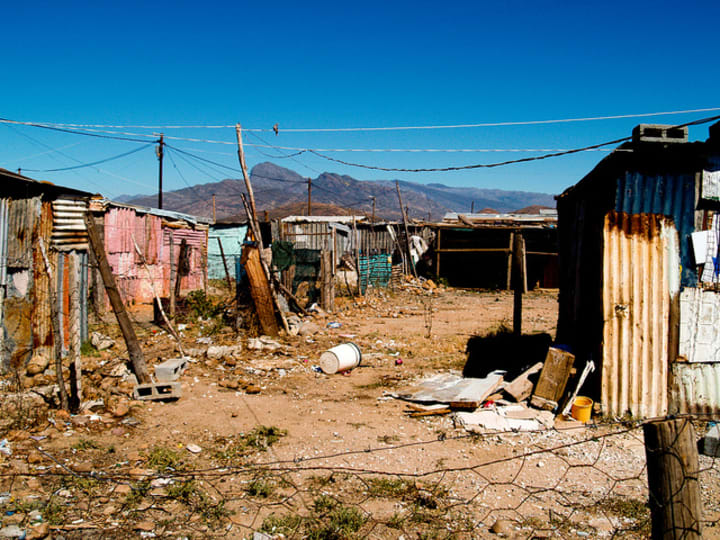
To address poverty in Tanzania, the government has implemented several programs aimed at improving access to education, healthcare, and other basic services. The government has also launched an anti-corruption campaign and is working to improve the business climate in the country.
International organizations such as the World Bank and the International Monetary Fund (IMF) have also provided assistance to Tanzania. The World Bank has provided funding for projects aimed at improving access to education and healthcare, while the IMF has provided loans to support economic growth.
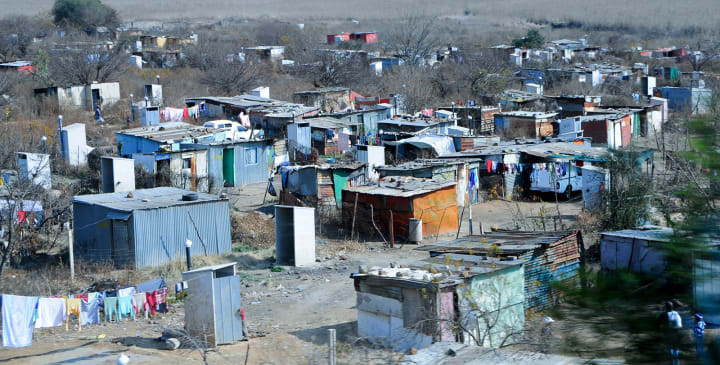
However, some critics argue that these efforts are not enough. They argue that the government needs to do more to address corruption and improve governance. They also argue that international organizations need to provide more funding and support to help Tanzania address poverty.
Poverty in Africa is a complex issue that requires a multi-faceted approach. Tanzania is just one example of a country that has struggled with poverty, but it is also a country that has made progress in reducing poverty. However, there is still much work to be done. To address poverty in Tanzania and other countries in Africa, it is essential to improve access to education and healthcare, address corruption and improve governance, and provide funding and support from international organizations. With these efforts, it is possible to make significant progress in reducing poverty and improving the lives of millions of people in Africa.
About the Creator
Anko Ngalima
Anko Ngalima is a highly respected journalist and voice-over artist from Tanzania. With a passion for communication and storytelling.
AFRICAN STORYTELLER
Keep reading
More stories from Anko Ngalima and writers in Education and other communities.
Scaling the Heights: Exploring the Wonders and Challenges of Mount Kilimanjaro
Mount Kilimanjaro, the highest peak in Africa, is a towering symbol of Tanzania's natural beauty and wonder. Situated in the northern part of the country, the mountain is a major draw for international visitors, who come from all over the world to climb its slopes and marvel at its majestic beauty. In this article, we will explore the history, geography, and cultural significance of Mount Kilimanjaro, as well as the many reasons why it is such a popular destination for travelers from around the globe.
By Anko Ngalima3 years ago in Earth
Rabbi Shlomo Slatkin, M.S., LCPC on Imago Dialogue, Repair, and Relationship Safety
Rabbi Shlomo Slatkin, M.S., LCPC, is founder and therapist at The Marriage Restoration Project in the Baltimore area. An ordained rabbi and Certified Imago Relationship Therapist and workshop presenter, he guides couples through intensives, retreats, and counseling aimed at restoring safety, communication, and connection after conflict or crisis. He holds a master’s in Counseling Psychology from Loyola University Maryland and trained with the Imago Relationship Institute. Slatkin earned a B.A. in Middle Eastern Studies, with undergraduate study at George Washington University and Oxford, and authored The Five Step Action Plan to a Happy & Healthy Marriage. He also co-edited curricula.
By Scott Douglas Jacobsen7 days ago in Education
Why Tailwheel Training Still Matters for Pilots in Today’s Aviation World
Tailwheel Training may sound old fashioned to some pilots, but it still plays an important role in modern aviation. Many training aircraft today use tricycle landing gear, which feels easier and more forgiving. This has led some pilots to believe that tailwheel skills are no longer needed. That idea is incorrect. Tailwheel Training teaches core flying skills that improve safety, control, and awareness in any aircraft.
By Duke Valentour4 days ago in Education



Comments
There are no comments for this story
Be the first to respond and start the conversation.