
🌿 Plants That Glow: The Science Behind Bioluminescent Flora
Exploring the Magical World of Glowing Plants and the Fascinating Science Behind Their Natural Light

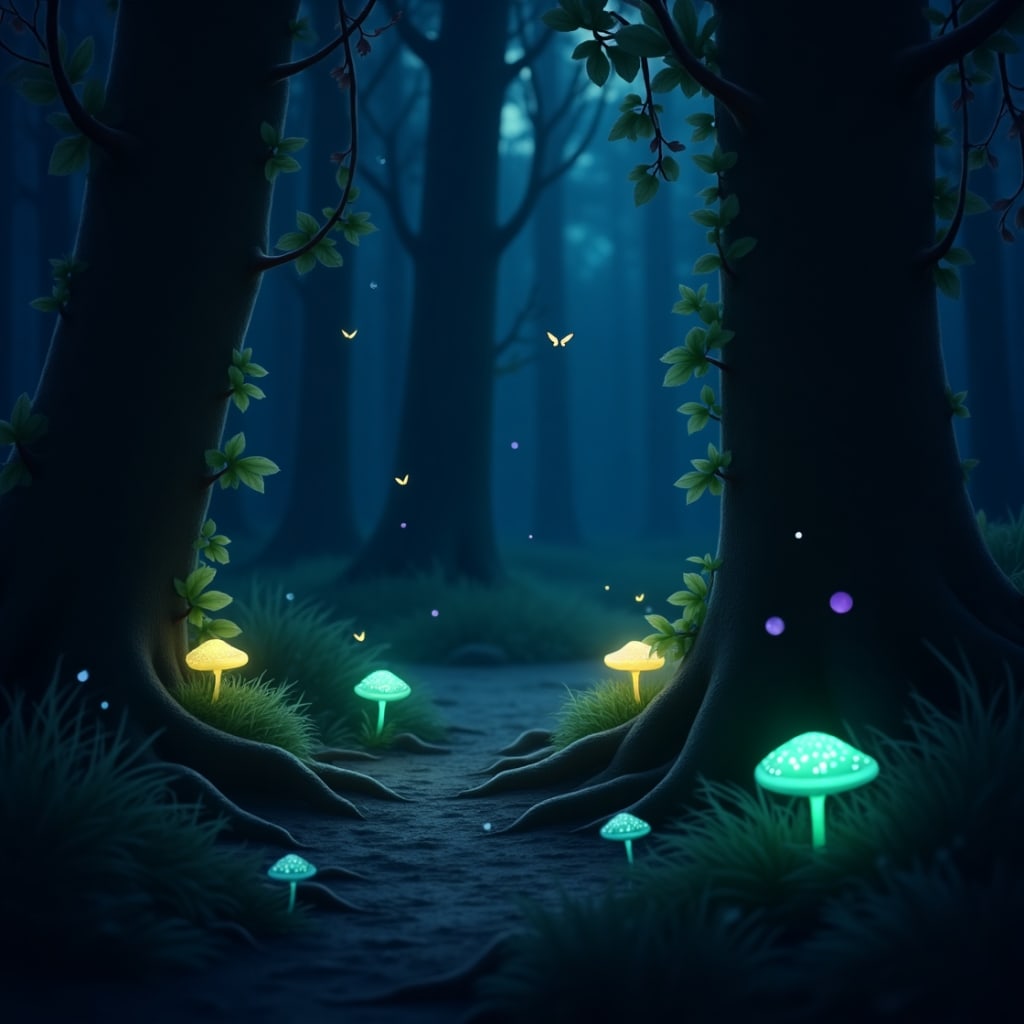
✨ Introduction: A Glow in the Dark You Won't Believe
Imagine hiking through a dense, dark forest on a night. Suddenly, the darkness is pierced by an otherworldly glow. Leaves sparkle with soft green light, mushrooms shimmer underfoot, and vines curl around trees like glowing threads of neon. You rub your eyes in amazement—are you dreaming? No. You've stumbled into the hidden world of bioluminescent plants—nature's glittering marvels that seem to have leapt from the screen of a fantasy movie.
For centuries, glowing plants have mesmerized explorers, scientists, and storytellers. They've been called ghost plants, fairy lights, and forest lanterns, with tales spun about their otherworldly lights. But the truth is even more incredible than legend. Behind the glow is a mix of chemistry, survival techniques, and evolutionary magic.
In this article, we’ll unveil the science that makes certain plants glow, explore some of the most famous bioluminescent flora on Earth, and explain why these glowing wonders exist in the first place.
Get ready to uncover one of nature’s most dazzling secrets!
---
???? What is Bioluminescence?
Bioluminescence is the ability of living things to produce their own light through chemical reactions in their cells. It's most commonly seen in deep-sea creatures like jellyfish and anglerfish, but some fungi, plants, and microbes possess this incredible trait as well.
In short, bioluminescence occurs when a molecule that emits light, called luciferin, reacts with oxygen in the presence of an enzyme known as luciferase. The reaction releases energy as visible light.
The remarkable aspect is that this natural light does not produce heat—thus the term "cold light." Unlike a lamp or a fire, bioluminescent light glows without burning.
---
???? Bioluminescent Fungi: The Most Famous Glowing Flora
Although there are no commonly recognized flowering plants that are naturally luminescent (so far), several species of fungi—typically grouped with plants in older systems—exhibit striking bioluminescence.
These bioluminescent fungi are often called "foxfire," "fairy fire," or "ghost fungi."
Some Examples:
Mycena chlorophos: This tiny mushroom, found in subtropical forests in Japan, Brazil, and Taiwan, glows bright green.
Panellus stipticus: Native to North America, this fungus can grow bright enough to be seen on a forest night.
Omphalotus olearius (Jack-o'-Lantern Mushroom): This mushroom is highly recognized, despite being poisonous, for the ghostly glow it emits in the dark.
These fungi typically develop on decaying wood, where they emit a soft greenish or bluish light, casting a mystical spell of enchantment on the forest floor like an ethereal fairyland.
---
???? Why Do Some Plants and Fungi Glow?
The reasons behind the bioluminescence in fungi and plants continue to be researched, but several theories have been put forth:
1. Attracting Insects: The glow may attract insects that aid in the dispersal of spores, helping reproduction.
2. Defense Mechanism: Some suggest the light could deter animals from feeding on them by making them appear poisonous or distasteful.
3. Waste Management: In some, the glow is simply a by-product of the breakdown of waste products in the fungal cells.
Regardless of its purpose, the glow is a great example of the ways in which organisms adapt to their environments in interesting and unexpected manners.
---
???? Artificial Bioluminescent: Researchers Create Glowing Plants
Although flowering plants that are naturally bioluminescent are not found in nature, researchers have now produced glowing plants using genetic engineering.
By transferring genes from bioluminescent organisms such as fireflies or glowing fungus into regular plants such as tobacco, scientists have created plants that emit a soft, constant light.
???? Why Make Plants Glow?
Eco-Friendly Light: A dream is to see glowing trees one day become a substitute for streetlights and illuminate towns at night without electricity.
Plant Health Indicators: Glowing plants can also be natural plant stress or sickness indicators, changing brightness when they need care.
Decoration: Glowing houseplants can also trend as decorative, futuristic home elements.
Even though these genetically modified plants are still in the making, they give us a tantalizing glimpse into what the future of botany will be like.
---
???? The Science Behind the Glow: How Does It Work?
What follows is the simplified version of the bioluminescence process:
1. The plant or fungus naturally contains luciferin or does so genetically.
2. The enzyme luciferase catalyzes luciferin to combine with oxygen.
3. This reaction releases energy in the form of light.
4. Different organisms emit different colors of light, such as green, blue, or yellow.
---
???? The Future of Glowing Plants: From Laboratories to Gardens
With the advancement of technology, glowing plants can become more and more ubiquitous not just in laboratories but in our lives. Imagine entire parks gently glowing in the night or gardens with radiant flowers that do not need any lamps to shine.
As bizarre as it sounds, radiant plants are becoming more of a reality thanks to synthetic biology.
---
???? Conclusion: Nature's Secret Lanterns
Glowing plants may seem like mythical beings from some ancient fairy tale, but they are very real indeed. Whether in the depths of the tropical rainforest, glowing on a rotting log, or laboriously created in the laboratory, these fascinating organisms remind us that nature's secrets are far from being fully disclosed.
Their soft, ethereal light is not just pretty—it is a reflection of the astounding adaptability of life on Earth.
So, the next time you hear a story about glowing greenery, you'll know there's real science behind the magic—and it's only getting brighter.
About the Creator
Are You Planning College the Smart Way?
When students and parents start thinking about college, the first number that usually comes to mind is tuition. But have you ever wondered if tuition is actually the biggest expense of higher education? Surprisingly, the total cost of attending college often goes far beyond just tuition fees.
By Michael Petruska3 days ago in Education
A More Human Vocal
When we launched Vocal nearly a decade ago, the world was a very different place. LLMs did not exist, and stories were created one at a time by people sitting down to write, revise, and share something personal. Many of our assumptions about publishing, trust, and participation were built for a world where effort and output were inseparable.
By Justin @ Vocal5 days ago in Resources




Comments (1)
As far as I'm aware plants are the only kingdom of life without bioluminescence. I think it messes up their photosynthetic/ circadian cycles. Mushrooms are fungi.