
"The Secret Life of Plants: How They Communicate Without Words"
Unveiling the Mysterious Ways Plants Send Signals, Share Resources, and Even Warn Each Other

By Abid
Plants may seem like quiet, passive observers of the world, but beneath their silence lies a secret realm of complex communication. Without mouths, ears, or eyes, plants have evolved impressive ways to convey information to their environment, to other plants, and even to animals.
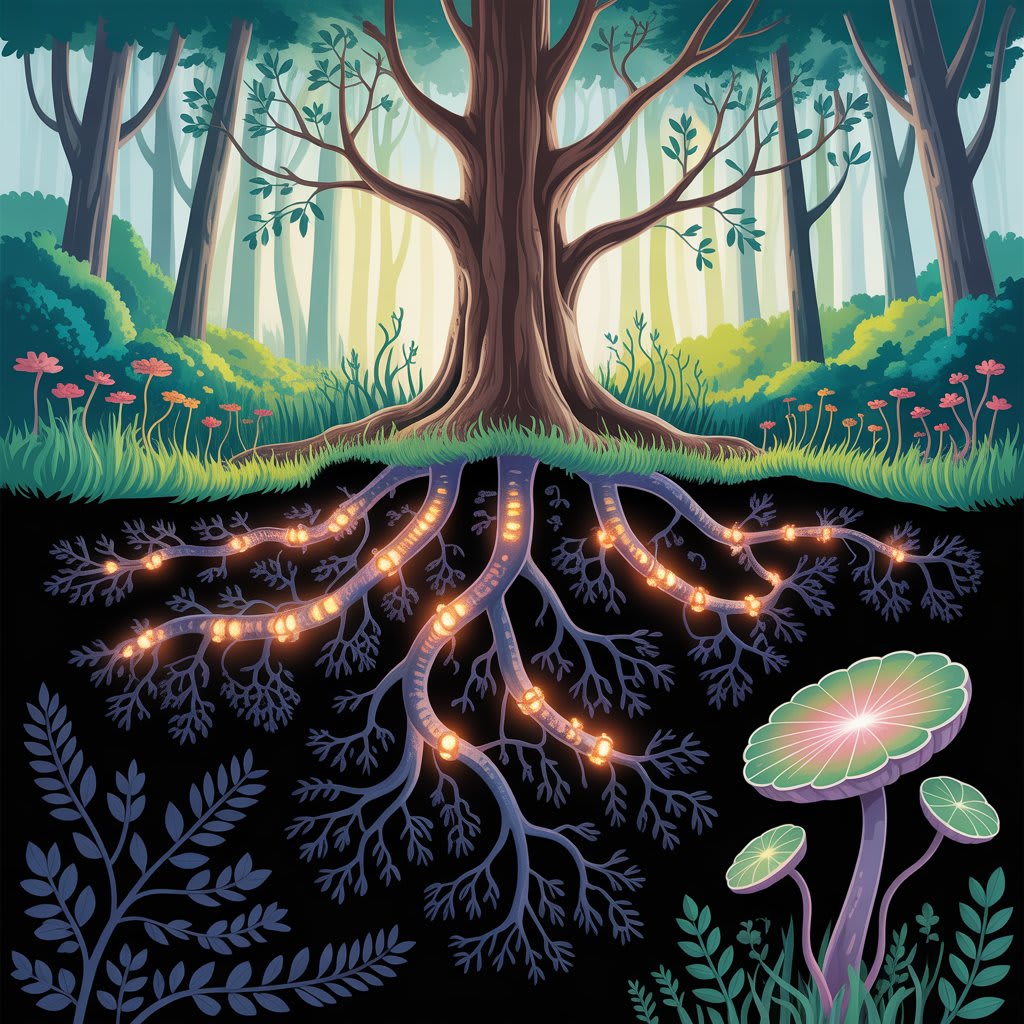
Through chemical signals, fungal networks underground, electrical signals, and even sound waves, plants "communicate" with each other, warning nearby plants of danger, sharing nutrients, and coordinating survival strategies. Scientists are just beginning to unearth this amazing plant communication system—and the discoveries are nothing short of breathtaking.
Let's delve into the hidden language of plants and reveal how plants communicate without saying a word.
---
1. Chemical Messages: Scents That Speak
Plants are experts at chemical communication—warnings and invitations alike.
Defense Warnings:
When injured by herbivores or insects, some plants emit airborne chemicals known as volatile organic compounds (VOCs). These chemicals are warning signals to neighboring plants to activate their own defense systems even before the danger arrives.
Example:
When a caterpillar starts to bite into a corn plant, the plant releases chemicals that not only warn nearby corn plants but also attract parasitic wasps. The wasps then attack the caterpillar, saving the plant from further destruction.
Pollination Invitations:
Flowers also utilize chemicals to attract pollinators such as bees, butterflies, and birds. Their sweet scents guide the pollinators to the nectar, ensuring that pollen is carried to other flowers for successful reproduction.
---
2. The Wood Wide Web: Underground Root Networks
One of the most remarkable discoveries in recent plant research is the existence of mycorrhizal networks, also known as the "Wood Wide Web."
This underground network is formed by fungi that connect the roots of different plants and trees. Through the fungal network, plants can:
Share water, carbon, and nutrients
Warn each other about pests and diseases
Help struggling or young plants to survive
Example:
Within a forest, "mother trees"—the oldest and largest trees—can even recognize their own offspring and send more nutrients to them via these fungal networks, continuing their own genetic line.
This network makes forests act almost like a single cooperating entity, allocating resources for the health of the entire ecosystem.
---
3. Electrical Signals: Plants' Silent Nervous System
Even though plants have no brains or nervous systems, they can send electrical signals through their bodies. Plants utilize the signals to react quickly to danger or environmental change.
Example:
When a leaf is bitten by an insect, it sends an electric impulse through the plant that stimulates other parts of the plant to release chemical defenses. The reaction is immediate, allowing the plant to defend itself before further damage is done.
One highly publicized plant that uses electrical signals is the Venus Flytrap, which closes its trap in a split second after its sensitive hairs have been touched.
---
4. Root-to-Root Communication: Underground Conversations
Apart from fungal networks, plants can also release chemicals directly into the soil through their roots. This allows them to:
Compete with other nearby plants for space and nutrients
Attract helpful microbes or fungi
Repel pests and plant-eating animals
Some plants are allelopathic, where they release chemicals that inhibit the growth of other organisms surrounding them. This gives them more room and less competition.
---
5. Sound Signals: A New Frontier
Recent studies suggest plants may also be responding to particular sounds and vibrations.
Examples:
Some plants grow their roots towards the sound of flowing water, enabling them to find water beneath the surface.
Stressed plants have even been found to produce ultrasonic clicks, possibly a distress signal when in drought or being damaged.
While still a new area of research, these findings show that plants are more connected to the world around them than we had imagined.
---
6. Cooperation and Altruism: Plants Helping Other Plants
While we've imagined nature as a battleground, plants sometimes show remarkable cooperation.
Aside from the exchange of nutrients, some plants retard their own growth to allow other plants surrounding them to grow. Scientists discover that trees with relatives nearby will "compromise" their own growth rates to allow their relatives to grow properly, so as to assure the long-term survival of their family lines.
---
Conclusion: The Silent Symphony of Plant Life
Plants are no longer just green, silent, immobile creatures in the landscape. They are active participants in a hidden communication network, using scents, underground connections, electrical impulses, and maybe even sound to survive and thrive.
As scientists continue to uncover these silent conversations, we're beginning to understand just how intelligent and networked the plant world really is. These discoveries are a reminder that nature is full of unseen wonders—just waiting to be uncovered.
Next time you're walking through a garden or a forest, remember: every leaf, flower, and root is likely involved in a silent conversation all around you.
About the Creator
Why UMPCO Fasteners Still Solve Critical Aerospace Problems Today
When I started researching legacy aerospace fastener manufacturers, I wasn’t just looking for brand names—I was looking for solutions to real aviation problems. Structural failure, vibration fatigue, corrosion at altitude, and long-term reliability are challenges that every aerospace engineer eventually faces. One name that repeatedly surfaced in technical documentation and historical aerospace supply chains was UMPCO fasteners.
By Beckett Dowhan5 days ago in Education




Comments
There are no comments for this story
Be the first to respond and start the conversation.