
Papua New Guinea and the rich customs of the Sepik culture
Explore one of many customs in the country
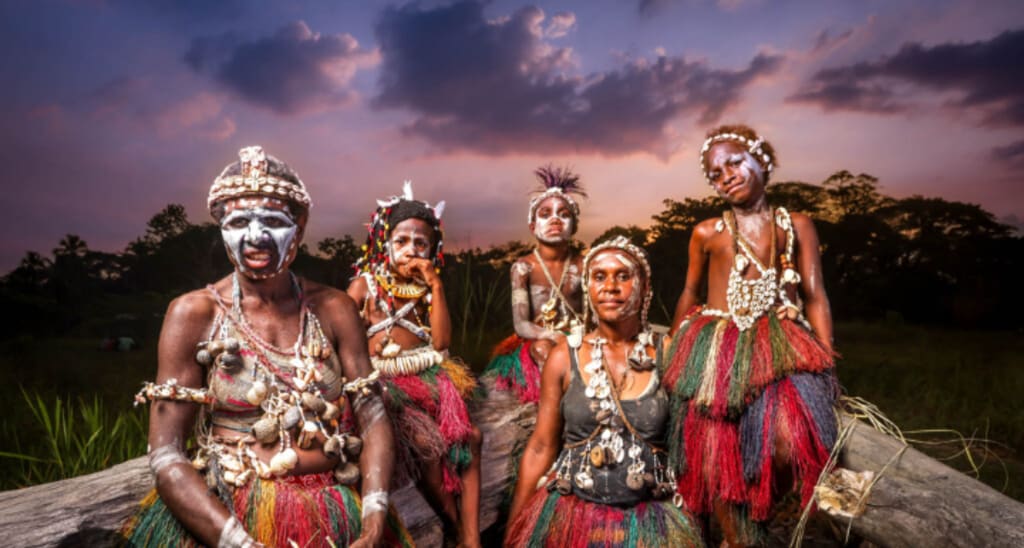
Exploring the Richness of Sepik Culture and Customs in Papua New Guinea
Papua New Guinea (PNG), located in the southwestern Pacific Ocean, is known for its extraordinary cultural diversity. This island nation, which occupies the eastern half of New Guinea, is home to over 800 languages and a mosaic of indigenous cultures, each with unique customs, traditions, and ways of life. Among these are the Sepik people, who reside along the Sepik River, one of the longest rivers in Papua New Guinea. The Sepik region is revered for its traditional art, ritual ceremonies, and elaborate social customs that provide fascinating insights into the people’s connection to their land, ancestors, and spirituality.
The Sepik River: Life and Spirituality
The Sepik River winds through 1,100 kilometers of lush tropical landscapes and serves as the lifeblood for many communities. Villages are situated along its banks, where residents rely on the river for fishing, transport, and a source of water. Yet, the Sepik River holds more than just a practical significance; it embodies the very soul of the people who live along its course. The river is seen as a spiritual force, and many Sepik myths and legends involve water spirits and creatures residing within it.
Sepik society is traditionally organized around clans, and family lineage is highly significant. Each clan often holds deep spiritual connections to totemic animals or mythical creatures believed to protect them. These connections are represented through carvings and sculptures, showcasing the deep-rooted reverence for ancestral spirits and nature.
Art and Architecture: Expression of Belief
The Sepik people are celebrated for their remarkable artistic expression, which manifests in the form of wood carvings, pottery, masks, and house decorations. Their craftsmanship is known throughout the world and draws on intricate patterns that represent both spiritual and natural elements. The carvings often feature figures of totemic animals, ancestors, and spirits that are central to Sepik belief systems.
One of the most unique architectural features of Sepik culture is the “haus tambaran,” or spirit house, which is a central structure in the village. These tall, pointed-roofed buildings serve as places of worship, cultural gatherings, and initiation ceremonies. Spirit houses are often adorned with intricate carvings and paintings that represent the clan’s history and its connection to the spiritual realm. These structures are not merely buildings; they are sacred spaces that embody the community’s cultural heritage and spiritual beliefs.
Initiation Ceremonies and the Art of Scarification
One of the most distinctive customs of Sepik culture is the initiation ceremony for young men, which is a significant rite of passage. During this ceremony, which takes place within the spirit house, young men undergo scarification to symbolize their transition into adulthood and acceptance into the community as full members.
Scarification, the practice of carving or branding the skin to create raised patterns, is particularly notable in the Sepik region. This practice is highly symbolic, and the scars are often designed to resemble the skin of a crocodile, an animal revered in Sepik mythology. According to local beliefs, the crocodile is a powerful ancestral spirit that offers protection and guidance. Through scarification, young men embody the spirit of the crocodile, marking their maturity and strength.
The Role of Music and Dance in Celebrations
Music and dance are essential components of Sepik culture, especially during festivals and communal gatherings. Traditional Sepik music incorporates drums, flutes, and other percussive instruments that are often crafted from natural materials like bamboo and wood. Dance rituals are performed to invoke spirits, celebrate seasonal changes, or mark significant life events. Each dance has its own meaning, and performers wear masks and elaborate costumes that represent different spiritual entities or clan ancestors.
For the Sepik people, dance is a form of storytelling that allows them to connect with their past and preserve their customs for future generations. Some dances represent mythological tales, while others are meant to bring the community together in celebration.
The Influence of Modernity and Preservation of Culture
Today, the Sepik people, like many indigenous groups worldwide, face challenges posed by modernization and external influences. Roads, technology, and global culture are increasingly reaching even the most remote areas of Papua New Guinea. While these changes bring certain conveniences, they also risk diluting traditional practices. Many Sepik communities are now taking active steps to preserve their customs by documenting their knowledge, revitalizing art forms, and continuing traditional ceremonies for younger generations to learn and appreciate.
Papua New Guinea’s Sepik culture remains a remarkable testament to the resilience and creativity of indigenous societies. By honoring their ancestors, land, and rituals, the Sepik people offer the world a glimpse into a life where nature, spirituality, and community are profoundly interconnected. For those interested in exploring cultural heritage, Sepik customs provide a powerful example of how art and tradition shape identity and continuity in the modern world.
The Sepik region of Papua New Guinea holds a wealth of knowledge and artistry that captivates both locals and visitors alike. Through a deep connection with the land and their ancestors, the Sepik people preserve a way of life that is as awe-inspiring as it is meaningful.
About the Creator
Grace Guise
i love creating content, i love writing and passionate about change, the world, the earth, the people and many things about life that is just magnificent. i love being alive, i love to breath the air and natural taste of water.
Keep reading
More stories from Grace Guise and writers in Education and other communities.
One Link Success Platform
The OLSP (One Link Success Platform) is an affiliate marketing system designed to simplify earning commissions online, even for beginners. Founded by Wayne Crowe, the platform offers a comprehensive approach to affiliate marketing, with a strong focus on user education, ethical promotion, and community support. Its standout feature is the "Mega Link," a unique, trackable link that users share to generate referrals and commissions. Once a user shares their Mega Link, the OLSP team handles the follow-up with potential clients, using email marketing and other techniques to maximize conversions, which eases the workload for affiliates and allows them to focus on driving traffic to the link.
By Grace Guiseabout a year ago in Education
Wealthiest Zip Codes in the U.S: A Guide for Real Estate Investors
In the world of real estate, there is a distinct difference between "expensive" markets and "wealth-concentrated" ecosystems. While many investors chase high-growth "hot" markets, a select group of seasoned professionals focuses on a different metric: the five-digit zip code.
By REI Data Solutionsabout 22 hours ago in Education
Rachel Reviews: The Spiral Archive by Pieter Hendrik
It's difficult for me to know where to start with a review of this book as it was, for me, an entirely unique experience and one that I'll probably never have again. I don't want that to be interpreted as unenjoyable but it has left me scratching my head a little and ruminating on its content, its themes and its characters.
By Rachel Deeming2 days ago in BookClub




Comments
There are no comments for this story
Be the first to respond and start the conversation.