
Pakistan's Economic Crisis: A Struggle for Stability
The Downfall
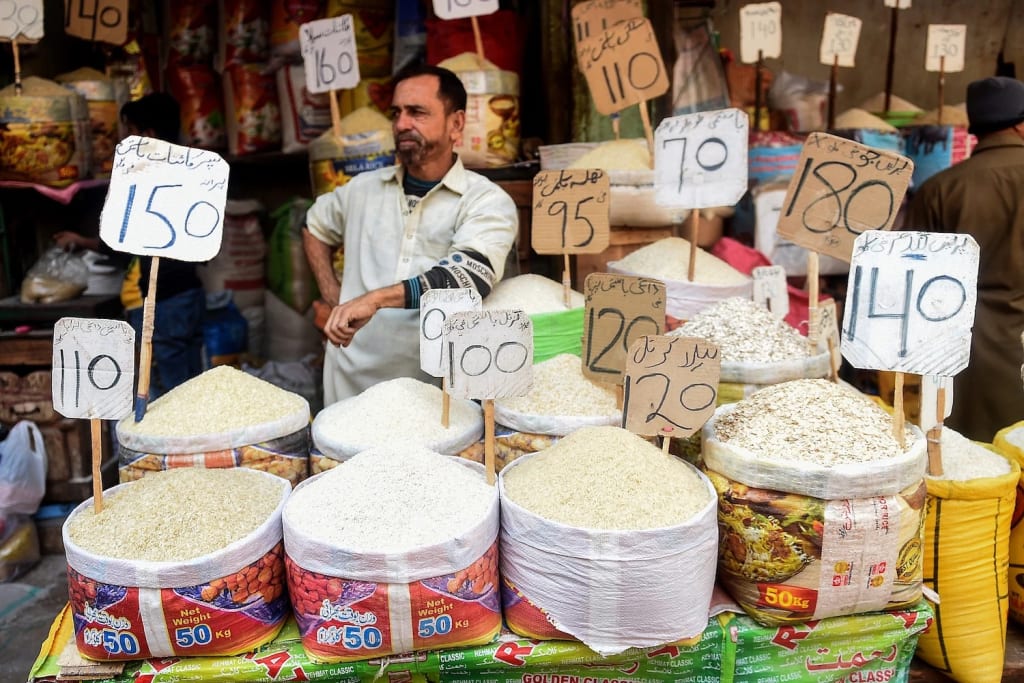
Pakistan, a nation with a rich cultural heritage and immense potential, has been grappling with a persistent economic crisis for several years. This crisis, characterized by high inflation, a burgeoning fiscal deficit, a growing external debt burden, and a struggling currency, has posed significant challenges to the country's development and stability. In this article, we delve into the key factors contributing to Pakistan's economic woes and explore potential solutions to alleviate the crisis.
Fiscal Mismanagement:
One of the primary drivers of Pakistan's economic crisis is the persistent issue of fiscal mismanagement. The government has struggled to widen the tax base, resulting in a disproportionately small number of taxpayers burdened with a heavy tax load. Additionally, inefficient tax collection mechanisms and rampant tax evasion have further exacerbated the revenue shortfall. This chronic fiscal deficit has put immense strain on the economy, leading to increased borrowing and reliance on external loans.
Rising Inflation:
Pakistan has faced persistent inflationary pressures, leading to a decline in purchasing power and a burden on the average citizen. Factors such as excessive government borrowing, high energy costs, and a weak agricultural sector have contributed to the rising cost of living. Moreover, supply chain disruptions and global commodity price fluctuations have further exacerbated the inflationary pressures.
Ballooning External Debt:
Pakistan's external debt burden has reached alarming levels, posing a significant threat to its economic stability. The country has relied heavily on external loans, particularly from international financial institutions, to bridge the gap in its fiscal deficits. However, the increasing debt burden has placed immense pressure on the economy, as debt servicing consumes a substantial portion of the government's revenue. Moreover, the vulnerability to external shocks and fluctuations in global financial markets heightens the risk associated with the country's debt.
Currency Depreciation:
The depreciation of the Pakistani rupee against major currencies has been a significant concern. A weakened currency adversely impacts various sectors, such as imports, foreign investment, and debt servicing. It not only raises the cost of imported goods and services but also makes foreign investment less attractive. The central bank's attempts to stabilize the currency have been challenging due to the continuous pressure on the balance of payments.
Energy Crisis:
Pakistan's chronic energy crisis has hampered industrial growth and productivity, thereby hindering economic progress. Insufficient power generation, transmission losses, and inadequate infrastructure have resulted in frequent power outages and limited access to electricity. These challenges have deterred investment, crippled the manufacturing sector, and hindered job creation, exacerbating the economic crisis.
Potential Solutions:
To address the economic crisis, Pakistan needs a comprehensive and coordinated approach. Some potential solutions include:
Fiscal Reforms: The government should focus on expanding the tax base, improving tax collection mechanisms, and reducing tax evasion. Rationalizing subsidies and controlling government expenditure can help narrow the fiscal deficit.
Structural Reforms: Prioritizing structural reforms to enhance the business environment, promote investment, and streamline regulations can attract both domestic and foreign investors. Improving governance and reducing corruption are also essential steps.
Energy Sector Reforms: Investing in renewable energy sources, improving infrastructure, and reducing transmission losses can help alleviate the energy crisis and attract investment in the sector.
Export Diversification: Encouraging diversification of export products and markets can reduce the trade deficit and enhance economic resilience. Providing support to industries through incentives and developing skilled labor can boost export competitiveness.
Debt Management: Implementing effective debt management strategies, including renegotiating terms, diversifying funding sources, and improving debt transparency, can help reduce the burden of external debt.
Conclusion:
Pakistan's economic crisis requires concerted efforts from the government, policymakers, and all stakeholders to overcome the challenges and pave the way for sustainable growth. By
About the Creator
Keep reading
More stories from writers in Education and other communities.
From Job to Prison: Revenge, Sacrifice, and Ending
The story begins by showing a bald and strong man named Bradley, who is a car mechanic by profession. As usual, Bradley reaches the garage with a broken car, but after arriving there, he sees that the garage owner is anxiously waiting only for him, which makes him a little surprised. Then the garage owner calls him into his office. Hearing this, Bradley understands that he is about to be fired from his job, and exactly that happens. The owner tells him that these days the garage is going through a financial crisis, and that is why he is being forced to fire some workers. But this is only an excuse, because Bradley is a hard-tempered man, and the owner wants to remove him and hire someone who flatters him. Now since Bradley is a tough man, he does not argue with the owner. He goes to the locker room, takes out his belongings, takes his car, and silently leaves for home. And yes, friends, this is where the downfall of Bradley’s life begins, which continues straight until the end of the story and ends there. Anyway, Bradley stops his car in front of his house, and at the same time he sees that his wife Lauren is sitting in her car, talking to someone on the phone. Bradley becomes suspicious of her. To know the truth, he keeps watching her carefully for some time. When he becomes sure, he immediately goes to Lauren and tells her to open the car door. His wife says, “You came back from work very early today.” At the same moment, Bradley notices marks of someone else’s lips on her neck and says to Lauren, “Give me your phone.” But Lauren refuses to give the phone, because of which Bradley forcefully snatches the phone from her, and his suspicion turns out to be correct. She is talking on the phone with another man. In anger, Bradley tells Lauren to go inside the house. Lauren says, “At least listen to me.” Bradley says, “I said go inside the house.” Then Lauren silently goes inside the house. Now, he had already been fired from his job a little while ago, and now his wife’s affair, because of which he had become even more disturbed, so he starts taking out all his anger on Lauren’s car. How? You can see that yourself. Yes, he is so angry that he does not even realize that his hands have been badly injured. After that, he calms himself down and goes inside the house and questions Lauren about how many days she has been with the other man. Lauren tells him everything, that for the past three months she had been having an affair with someone else. Actually, Bradley’s wife had an abortion a few days earlier, because of which she used to remain sad, and Bradley often stayed busy with his work. Because of this, Lauren felt lonely and very depressed at home, and to fill this emptiness, she had to take support from another man. Hearing these things, Bradley realizes that he should have given time to Lauren. He apologizes to Lauren for this and says that from today, from right now, they will both start a new life. Lauren agrees. After that, Bradley tells Lauren that he has been fired from his job and now he will work for a man named Gil, who is a drug lord. As soon as she hears Gil’s name, Lauren clearly refuses and says, “You yourself said that you would never work with Gil.” Bradley says, “Yes, but in such circumstances, we cannot live like a prosperous family. To run a family, money is needed, and at this time I have no other option.” He also assures Lauren that he will do this work very carefully.
By Filmon Ke Raaz | Movie Mysteries Explained7 days ago in Education
Punjab Orders Action Against Private Schools Pressurizing Parents to Buy From Selected Shops
In a bold move to protect parents and uphold fair practices in education, the Punjab government has ordered strict action against private schools that allegedly pressure parents to purchase supplies, uniforms, or books from selected vendors. The directive comes after multiple complaints surfaced regarding unfair practices that forced families to spend extra money or adhere to specific buying instructions, often leaving them with little choice.
By Muhammad Hassan2 days ago in Education
The Path to Salvation
The late autumn evening air filled the monk's lungs, but it wasn't the season that chilled his bones. The heavy-handed presence of evil he had sensed upon entering the woods surrounding this mountain village had not bothered to conceal itself from him.
By Made in DNA4 days ago in Fiction




Comments
There are no comments for this story
Be the first to respond and start the conversation.