
PAKISTAN ECONOMIC CRISES
PAKISTAN IS ON THE EDGE OF DEFAULT

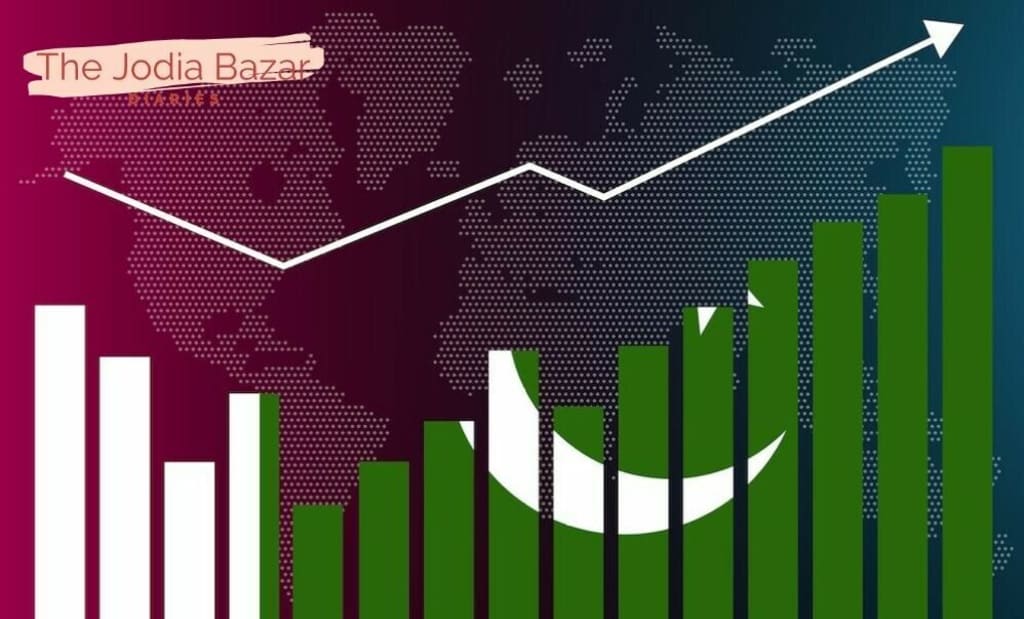
Pakistan has been facing several economic crises in recent years, with a range of factors contributing to the challenges. These crises have had a significant impact on the country's economic growth, stability, and well-being of its citizens. In this article, we will explore some of the major economic crises that Pakistan has been facing and the steps that the government has taken to address them.
Balance of Payments Crisis
One of the most significant economic crises that Pakistan has faced in recent years is the balance of payments crisis. This crisis emerged in 2018 when Pakistan's current account deficit widened, and its foreign exchange reserves began to dwindle. This situation was partly caused by high levels of imports, low levels of exports, and a decrease in foreign investment. The country's external financing requirements had increased significantly, making it difficult for the government to meet its financial obligations.
To address this crisis, the Pakistani government sought assistance from the International Monetary Fund (IMF). In July 2019, the IMF approved a $6 billion bailout package for Pakistan. The package aimed to support the country's efforts to stabilize its economy, address its fiscal and external imbalances, and boost economic growth.
Energy Crisis
Pakistan has been facing a severe energy crisis for many years, with frequent power outages and load shedding causing significant economic losses. This crisis has been attributed to a lack of investment in the energy sector, mismanagement, and theft. As a result, Pakistan's energy sector has been unable to keep up with the increasing demand for electricity.
The Pakistani government has taken several steps to address the energy crisis. These include the construction of new power plants, the establishment of new transmission and distribution systems, and the introduction of policies to encourage investment in the energy sector. Additionally, the government has been working to address issues related to energy theft and mismanagement.
Inflation
Pakistan has also been facing persistent inflation in recent years, with prices of essential goods and services skyrocketing. This has led to significant hardship for ordinary citizens and businesses. The factors contributing to inflation include a decrease in agricultural productivity, rising global oil prices, and a devaluation of the Pakistani rupee.
To address inflation, the Pakistani government has taken several steps, including increasing interest rates, tightening monetary policy, and increasing the availability of essential commodities in the market. However, these measures have not been sufficient to address the root causes of inflation.
Debt Crisis
Pakistan's debt levels have been steadily increasing over the years, with the country's debt-to-GDP ratio exceeding 100% in recent years. This has led to concerns about the country's ability to repay its debts and the sustainability of its economic growth. The factors contributing to the debt crisis include low levels of tax collection, inefficient public spending, and a lack of investment in the productive sectors of the economy.
To address the debt crisis, the Pakistani government has taken several measures, including introducing fiscal reforms, increasing tax collection, and seeking financial assistance from international organizations such as the IMF. However, these measures have not been sufficient to address the root causes of the debt crisis.
COVID-19 Pandemic
The COVID-19 pandemic has had a severe impact on Pakistan's economy, leading to a significant contraction in economic activity and rising unemployment. The government has responded with various stimulus packages and relief measures, but the long-term effects of the pandemic on the economy remain to be seen.
To address the impact of the pandemic on the economy, the Pakistani government has introduced a range of measures, including providing financial assistance to businesses, households, and the healthcare sector. The government has also been working to increase investment in the productive sectors of the economy, such as agriculture and manufacturing.
Conclusion
Pakistan has been facing several economic crises in recent years, with a range of factors contributing to the challenges. These crises have had a significant impact on
About the Creator
Hasnain Raza
Writer, Actvisit
Keep reading
More stories from Hasnain Raza and writers in Education and other communities.
The Importance of Mental Health
Mental health is an essential aspect of overall well-being. It impacts our thoughts, emotions, and behavior, and affects our ability to cope with the challenges of life. When our mental health is good, we are more productive, confident, and content. However, when we experience mental health problems, it can be challenging to manage our day-to-day lives.
By Hasnain Raza3 years ago in Education
Where Ownership Meets Impact: Exploring the Powerful Connection Between Equity and Giving
The relationship between equity and philanthropy in modern society reflects a growing awareness that wealth, ownership, and social responsibility are deeply interconnected. As economic systems evolve, individuals and organizations are increasingly recognizing that equity is not only a financial instrument but also a powerful lever for positive change. Philanthropy, once seen as separate from ownership and investment, is now being shaped by equity-driven thinking that prioritizes long-term impact over short-term relief.
By John Olin Killgore4 days ago in Education
Why MEP BIM Is Essential for Modern Commercial Construction
Modern commercial construction projects are defined by density, complexity, and risk. Mechanical, electrical, and plumbing (MEP) systems now consume a significant portion of construction budgets and coordination effort, especially in sectors such as healthcare, data centers, mixed-use developments, airports, and large commercial facilities.
By Matt Sharon3 days ago in Education


Comments
There are no comments for this story
Be the first to respond and start the conversation.