
Options Trading and F&O:
Your Guide to Futures and Options Trading
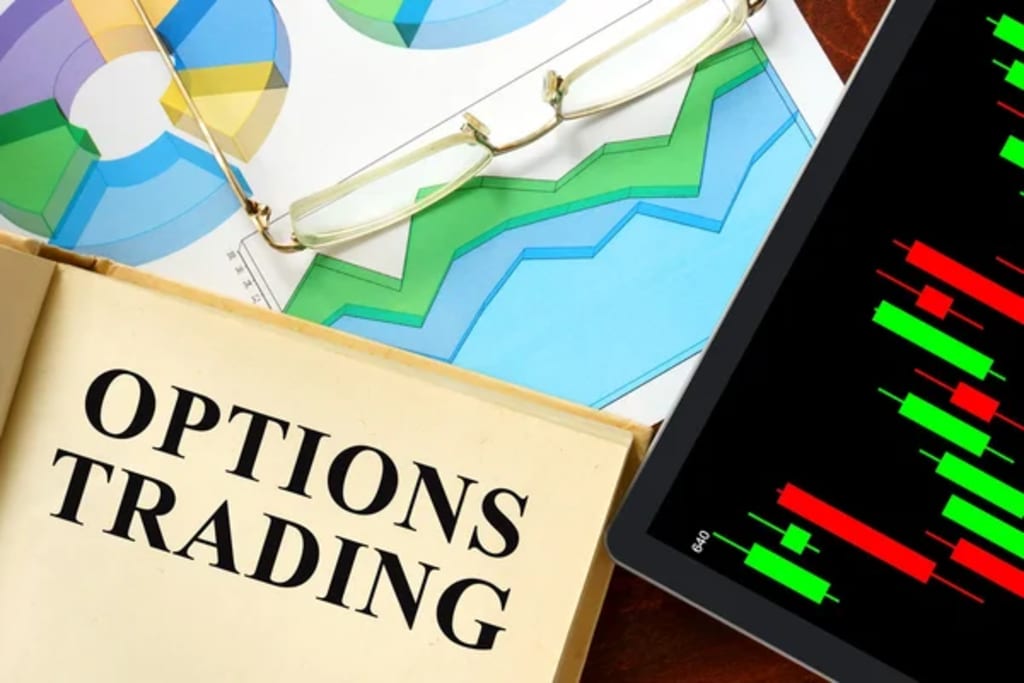
Options trading involves buying and selling contracts that grant the right to buy (call) or sell (put) an asset at a set price within a specified time. It's popular due to leverage, flexibility, and limited risk. Futures and options (F&O) are derivatives that derive value from underlying assets like stocks, indices, commodities, or currencies. While futures contracts obligate both parties to execute the trade at a set price on a future date, options give the holder the right, but not the obligation, to buy or sell the asset.
Key Differences Between Futures and Options
- Understanding the differences between futures and options is crucial for effective trading:
- Obligation: Futures contracts obligate both the buyer and seller to complete the transaction at the set price. In contrast, options give the buyer the right, but not the obligation, to execute the trade.
- Risk: Futures can have potentially unlimited risk since both parties must follow through with the trade, regardless of market movement. Options, on the other hand, limit the buyer's risk to the premium paid.
- Payment Structure: Futures require no upfront payment but do require a margin deposit. Options require an upfront premium payment.
- Expiry Dates: Futures have standardized expiry dates, while options offer a variety of expiration dates.
- Use Cases: Both futures and options are used for hedging and speculation, but options are also commonly used for income strategies.
Steps to Trade Futures and Options (F&O)
1. Open a Trading Account:
The first step in trading F&O is to open a trading account with a reputable broker that offers F&O trading. Ensure the broker provides good customer support and reliable trading platforms.
2. Understand Margin Requirements:
Futures trading requires maintaining a margin account with your broker. This margin acts as a security deposit to cover potential losses. It’s important to understand the margin requirements and ensure you have enough capital to meet them.
3. Learn Basic Strategies:
For Options:
- Buying Calls: Profitable if the stock price goes up.
- Buying Puts: Profitable if the stock price goes down.
- Covered Calls: Selling calls on stocks you already own to generate income.
For Futures:
- Long Position: Agreeing to buy the asset in the future, betting on a price increase.
- Short Position: Agreeing to sell the asset in the future, betting on a price decrease.
4. Conduct Research and Analysis:
Thorough research and technical analysis are critical. Utilize price charts, indicators, and market news to make informed decisions.
5. Place and Monitor Trades:
Enter your trade through your broker’s platform, specifying the contract, whether you're buying or selling, and the number of contracts. Monitor your positions and be ready to adjust your strategy as market conditions change.
Common Questions About F&O Trading
Q1: What are the main risks involved in F&O trading?
Both futures and options can lead to significant losses if the market moves against your position. Futures, in particular, can result in losses exceeding your initial investment due to the leverage involved.
Q2: How does leverage work in F&O trading?
Leverage allows you to control a larger position with a smaller amount of capital. While this can magnify your gains, it can also magnify your losses.
Q3: What is a margin call?
A margin call occurs when your account’s equity falls below the required margin level. You’ll need to deposit additional funds to maintain your positions or risk having them liquidated by your broker.
Q4: Can options be used for hedging?
Yes, options are often used to hedge against potential losses in other investments. For example, buying put options can protect against a decline in a stock you own.
Example of an Options Trade
Let’s say you expect the stock of XYZ Corp to rise in the next month. Here’s how you might use a call option:
- Stock Price: $100
- Option Strike Price: $105
- Option Premium: $2
Steps:
- Buy Call Option: Purchase one call option contract (100 shares) at the strike price of $105 for $2 per share.
- Total Cost: $200 (100 shares x $2 premium).
- Stock Rises: If the stock price rises to $110, the call option's value increases.
Profit Calculation:
- Start Small: Begin with a small number of contracts to understand the market dynamics and your risk tolerance.
- Use Stop-Loss Orders: Protect your positions by setting stop-loss orders to limit potential losses.
- Diversify Your Strategies: Combine different strategies like buying options, writing covered calls, and using spreads to diversify risk.
- Stay Educated: Continuously learn about market trends, new strategies, and the factors affecting F&O markets.
- Manage Your Emotions: Keep emotions in check and stick to your trading plan. Avoid impulsive decisions based on market fluctuations.
Conclusion
Futures and options trading can be a lucrative addition to your trading toolkit if approached with the right knowledge and strategies. Whether you’re looking to hedge your portfolio or speculate on market movements, understanding the intricacies of F&O trading is crucial. By starting small, staying informed, and managing risks effectively, you can navigate the F&O market with confidence. If you have more questions or need further clarification, feel free to ask. Happy trading!
About the Creator
Reader insights
Nice work
Very well written. Keep up the good work!
Top insights
Compelling and original writing
Creative use of language & vocab
On-point and relevant
Writing reflected the title & theme
Striking the Right Balance: Modern Tech and the Human Touch in Harmony
As technology continues to reshape every corner of business and daily life, the balance between innovation and personal interaction becomes increasingly important. Automation, artificial intelligence, and digital communication have allowed companies to operate faster, smarter, and more efficiently. These tools improve productivity and offer consumers greater convenience, transforming how services are delivered and experiences are shaped.
By Ian Schenkel Haliburtonabout 7 hours ago in Education
Service That Wins: Why Quality Service Is the Strongest Advantage Any Business Has
Every business wants attention, growth, and loyalty. Many chase these goals through ads, discounts, or fast trends. These methods can help for a short time, but they fade quickly. One factor keeps working year after year: quality service. It shapes how people see a brand. It guides customer decisions. It turns simple transactions into lasting relationships. Quality service is not about doing extra work. It is about doing the right job in the right way. It means listening carefully. It means responding with care. It means solving problems without confusion or delay. When customers feel respected and supported, they remember it. That memory becomes a reason to return.
By Apex Service Partners2 days ago in Education



Comments (2)
Excellent piece
A beautiful read! Please check out some of mine I’d love some feedback from a pro