
No, physicians do not promote vaccines for financial gain
Children health


Introduction
In actuality, vaccinations frequently cost medical practices money.
"When your pediatrician deceives you into believing your child needs vaccinations, ask them how much their bonuses are."
A hazardous narrative is promoted by posts like this one, which recently went viral on social media: Pediatricians prescribe vaccines because they get large bonuses or financial incentives from insurance companies and pharmaceutical firms. The implication is obvious: when doctors promote vaccination, they are allegedly prioritizing their financial gain over the health of their patients.
This assertion essentially misrepresents how vaccine economics function in genuine medical procedures. Let's look at the evidence about vaccines, healthcare procedures, and finances.
Let's start by discussing the larger situation. The pharmaceutical sector made $605 billion in 2022, according to reports. Vaccines only accounted for around 8% of overall revenue, despite this remarkable number. Many people may be surprised by this, but when we examine the economics more closely, it makes sense.
Think about this analogy: The total cost of a three-dose course of the hepatitis B vaccine is $81 ($27 each dose), and the average yearly cost of drugs to treat hepatitis B infection is $11,500. Pharmaceutical companies would prioritize treatment over prevention if they only wanted to make money.
The Actualities of Managing a Medical Office
Let's look at the vaccination regimen of a pediatric practice. One child's vaccinations through age 18 will cost about $2,500 in total and involve 35 appointment visits. This is the practice's expense, not its income. These costs consist of:
Costs of directly purchasing vaccines
Equipment for specialized storage, such as systems for monitoring temperature
Employee time spent managing inventories
Protection against the loss of vaccines
Ordering and tracking administrative expenses
Administration time for clinical staff

Recordkeeping and documentation
Analyzing the data
Some shocking conclusions regarding medical procedures and the economics of vaccinations were found in a thorough study that was published in Pediatrics:
When it comes to immunizations, almost half of pediatric offices either lose money or break even.
Practices that treat a larger percentage of Medicaid patients suffer larger financial losses.
Costs are frequently not covered by private insurance reimbursements until a child has three or more vaccinations in a single visit.
The reality of reimbursement:
The average reimbursement from public insurance (Medicaid) is less than $10 for each vaccination.
The average cost of a vaccine under private insurance is $17.
The cost of purchasing individual doses of vaccines ranges from $4 to $30.
These payments need to cover all related expenses in addition to the vaccine.
Medical Practices' Financial Strain
After staff compensation, vaccines are the second-highest expense for pediatric offices. This results in a substantial cost burden due to:
Vaccines must be purchased in advance by practices.
The criteria for handling and storage are costly and stringent.
Usually, weeks or months after medication, insurance reimbursement occurs.
Vaccines that are defective or expired directly cost the practice money.
Due to financial strain, about 10% of physicians have given serious consideration to discontinuing immunization services entirely.

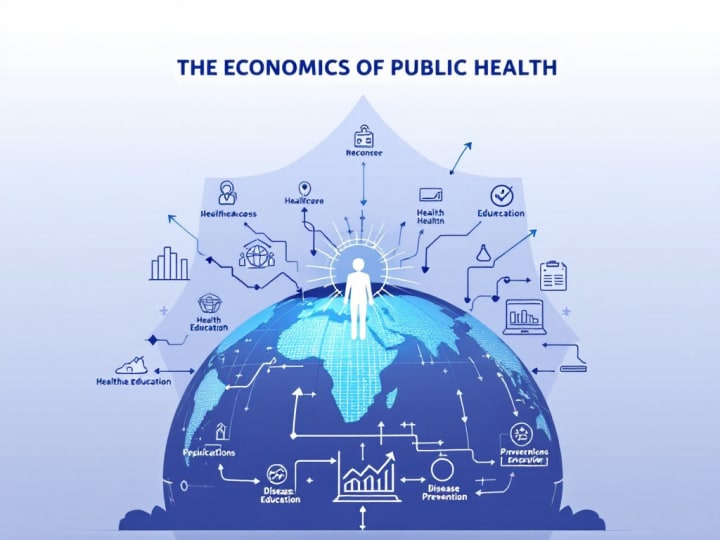
The Economics of Public Health
Vaccination programs make strong financial sense for society when considering the wider economic impact:
Healthcare expenses are reduced by $10.90 for every $1 spent on children's vaccinations.
Routine vaccinations save $63.6 billion in healthcare and social expenditures for the 3.6 million babies born in the United States each year.
Direct medical expenses for a single measles case might range from $14,000 to $16,000.
Why Do Physicians Still Administer Vaccines?
Vaccination services frequently function at a loss for medical practices, according to the research. So why do physicians still prescribe them? Their dedication to public health holds the key to the solution:
Vaccines guard against dangerous, potentially fatal illnesses.
Preventing disease outbreaks safeguards entire communities, making it one of the most effective public health initiatives in history.
Treating avoidable illnesses is the alternative, which results in pain for people and significantly higher healthcare expenses.
Considerations for Equity and Access
It's important to remember that patients usually receive immunizations for free.
Children who qualify can receive free vaccinations through the Vaccines for Children program.
Insurance companies are required by the Affordable Care Act to provide recommended vaccinations without copays, even for customers who have not yet reached their annual deductible.
Public health depends on this availability, but it also lowers the providers' possible profit margin.

Conclusion: Taking the evidence into account
Vaccines are a public health service that many practices give despite financial difficulties; when we look at the real facts instead of social media assertions, we see that they are not a profit center for doctors. The true motivation is to protect community health and prevent fatal diseases, not to make money.
The statistics paint a very different tale, so keep that in mind the next time you hear allegations that doctors are promoting vaccines for financial gain. Vaccines are one of our most effective instruments for disease prevention and public health protection, which is why our healthcare practitioners continue to recommend and give them—not because they make money.
About the Creator
Keep reading
More stories from Luca Müller and writers in Education and other communities.
What You Need to Know Before Hiking Mount Fuji in Japan
Hiking **Mount Fuji**, Japan’s tallest and most iconic peak, is an unforgettable experience that should be on every adventurer's bucket list. Rising 3,776 meters (12,389 feet), Mount Fuji, also known as **Fuji-san**, is not only a natural wonder but a symbol of Japan's national identity. Every year, thousands of hikers from around the world make the pilgrimage to conquer this majestic volcano. However, hiking Mount Fuji is not a task to be taken lightly. Preparation is key to ensuring you have a safe, enjoyable, and successful climb.
By Luca Müllerabout a year ago in Education
Why Process Standardization Is Becoming Essential for UAE Companies
Process standardization is becoming essential for UAE companies because rapid growth, regulatory pressure, and competitive markets demand consistent quality and predictable operations. Businesses that document and standardize their processes tend to scale faster, reduce errors, and maintain customer trust.
By Umar Quality Jounala day ago in Education
Bomb Scare
It was 2027, and the world never thought it would happen. A missle hit the United States, but it wasn't where they had anticipated. A little town in the northeast was hit by a missile strike, they didn't know why, and they didn't know exactly where it hit, but they did know it was a coastal community, somewhere between Maine and Delaware.
By Gregory Payton6 days ago in Fiction


Comments (1)
Thanks for sharing this.