
What You Need to Know Before Hiking Mount Fuji in Japan
Japan the secret planet

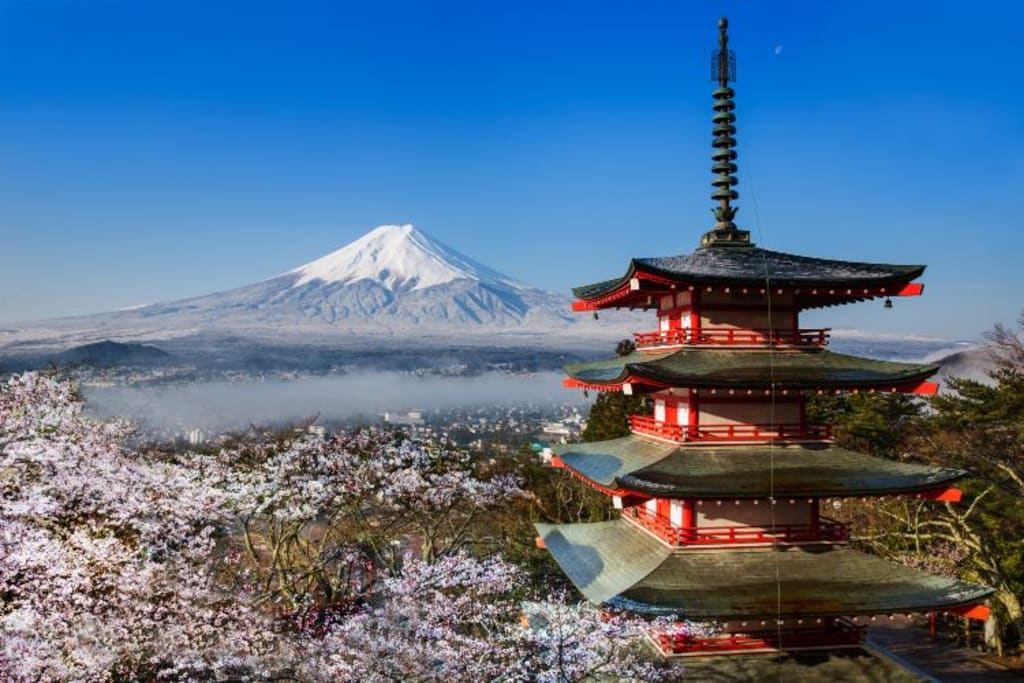
Hiking **Mount Fuji**, Japan’s tallest and most iconic peak, is an unforgettable experience that should be on every adventurer's bucket list. Rising 3,776 meters (12,389 feet), Mount Fuji, also known as **Fuji-san**, is not only a natural wonder but a symbol of Japan's national identity. Every year, thousands of hikers from around the world make the pilgrimage to conquer this majestic volcano. However, hiking Mount Fuji is not a task to be taken lightly. Preparation is key to ensuring you have a safe, enjoyable, and successful climb.
This guide will provide you with everything you need to know before embarking on your **Mount Fuji hike**, from when to go and what to pack, to how to train and what to expect on the trail. With the right knowledge and preparation, you’ll be ready to tackle this incredible challenge with confidence.
1. **Climbing Season: Timing is Everything**
Mount Fuji's official climbing season is short, lasting from early **July to early September**. This is when the weather conditions are most favorable, and the mountain huts and facilities are open. Climbing outside of this season is not recommended due to harsh weather conditions, including snow, extreme cold, and strong winds.
The busiest time to climb is during the **Obon holiday** (mid-August), when many Japanese people take time off to hike Fuji. If possible, plan your hike for early July or late August to avoid the crowds while still enjoying optimal conditions.
[Book your guided Mount Fuji tour here]
2. **Choosing Your Trail: The Four Main Routes**
There are four main routes to reach Mount Fuji's summit, each varying in difficulty, length, and popularity. All routes offer stunning views and unique challenges, but it’s important to choose the one that best suits your fitness level and hiking experience.
- **Yoshida Trail** (the most popular): Located on the northern side, this trail is the most frequently used by hikers, with plenty of mountain huts, rest stations, and support facilities. It's ideal for beginners or those looking for more convenience along the way.
- **Subashiri Trail**: A quieter option that merges with the Yoshida Trail at the eighth station, offering a more peaceful ascent before joining the busier section.
- **Gotemba Trail**: This is the longest and least crowded trail, known for its difficult terrain and lack of huts. It’s best for experienced hikers seeking a more challenging climb.
- **Fujinomiya Trail**: The shortest route to the summit but also one of the steepest, requiring more endurance.
[Purchase your Mount Fuji trail map and hiking essentials here]
3. **Physical Preparation: Train for the Challenge**
While Mount Fuji is not a technical climb, its altitude and steep slopes can make the hike strenuous, especially for beginners. The ascent can take anywhere from 5 to 10 hours, depending on your pace and the chosen trail, with the descent taking another 3 to 5 hours. It’s important to prepare your body for the physical demands of the hike.
**Training Tips**:
- **Cardio Workouts**: Engage in regular cardio exercises like running, cycling, or swimming to build stamina. Aim for at least 3-4 times a week.
- **Hiking Practice**: If possible, practice hiking on uneven terrain and at higher altitudes. This will help your body adapt to the thinner air you'll experience on Fuji.
- **Strength Training**: Strengthen your legs, core, and back to support your body during the long uphill climb and steep descent.
- **Altitude Awareness**: Though Mount Fuji doesn’t require oxygen tanks, the air gets thinner as you ascend. If you're prone to altitude sickness, consult with a doctor before your hike and consider packing altitude sickness medication.
[Shop for high-quality hiking gear and fitness training tools here]
4. **What to Pack: Essentials for a Safe Hike**
Packing the right gear is crucial for a safe and comfortable hike. The weather on Mount Fuji can be unpredictable, with temperatures at the summit often dropping below freezing, even in summer. Here's a checklist of essential items to pack:
- **Layered Clothing**: Start with moisture-wicking base layers, add insulating mid-layers, and finish with a waterproof jacket and pants. Temperatures can vary significantly from base to summit, so layers are essential.
- **Sturdy Hiking Boots**: Choose well-fitting, waterproof boots with good ankle support. The terrain is rocky and uneven, especially near the summit.
- **Headlamp**: If you’re doing the overnight hike to catch the sunrise (known as the **Goraiko**), a headlamp is a must for the dark ascent.
- **Snacks and Water**: Carry energy-packed snacks like nuts, energy bars, and dried fruit, along with at least 2 liters of water. Dehydration is common at higher altitudes.
- **Trekking Poles**: These can help reduce strain on your knees and provide stability on uneven terrain, particularly during the descent.
- **Sun Protection**: Pack sunglasses, sunscreen, and a hat to protect yourself from the strong UV rays at higher altitudes.
[Get your Mount Fuji hiking gear and essentials here]
5. **Mountain Huts: Your Rest Stop Along the Way**
Mountain huts (known as **Yama-goya**) are available along the trails and serve as resting places for climbers. If you’re planning to do the overnight hike to catch the sunrise, booking a spot in one of these huts is highly recommended. They provide basic shelter, food, and a place to rest before your final ascent.
Keep in mind that huts can be crowded during peak season, so it’s best to **book in advance**. You can book directly with the huts, through travel agencies, or as part of a guided tour package.
[Book your Mount Fuji mountain hut accommodation here]
Conclusion: Make Your Mount Fuji Experience Unforgettable
Hiking Mount Fuji is an extraordinary experience that combines physical endurance, breathtaking views, and a deep connection with Japan’s cultural and natural heritage. With the right preparation, gear, and mindset, you’ll be able to conquer Fuji’s summit and witness the spectacular sunrise that makes the journey all worthwhile.
Remember, whether you’re a seasoned hiker or a beginner, respecting the mountain and being well-prepared are key to a safe and successful climb. Now that you’re ready to embark on this adventure, don’t wait—start planning your Mount Fuji hike today!
[Book your guided Mount Fuji hiking experience now and get the best deals!]
About the Creator
Keep reading
More stories from Luca Müller and writers in Education and other communities.
Have Ultimate Maldives Packing Guide with Must-Essentials
When planning a trip to the Maldives, the last thing you want is to be weighed down by heavy luggage, unsure if you've packed everything you need. The Maldives, with its stunning turquoise waters, pristine beaches, and luxurious resorts, promises the ultimate tropical escape, and the key to enjoying every moment is to pack smartly. Whether you're staying in an overwater villa or hopping between islands, this ultimate Maldives packing guide will ensure you have all the must-have essentials for a stress-free vacation.
By Luca Müller2 years ago in Education
What Should Be Your Main Focus During an Online Limited Radiology Tech Program
Well, the short answer is that there is not a single module that you should strictly focus on. If you want to become a X-ray technician, you need to develop both technical and soft skills.
By Meaghan Howe4 days ago in Education
Precision in Motion: The Rise of Sport Shooting and Firearms in Modern Competition
Sport shooting has grown from a simple test of aim into a structured sport that demands discipline, patience, and technical skill. Today, sport shooting and firearms play a major role in global competitions, training programs, and recreational events. Athletes train for years to improve accuracy and control. They study equipment, posture, breathing, and focus. Because of this dedication, sport shooting has become a respected sport that rewards precision and calm thinking.
By Matthew Pothoff3 days ago in Education



Comments
There are no comments for this story
Be the first to respond and start the conversation.