
Nature inspires tech innovation
How Copying Nature Helps Engineers

Nature has indeed served as a rich source of inspiration for various technological advancements. Here are some key takeaways from the information you provided:
1 Velcro from Burdock Plant: . Swiss engineer George de Mestral created Velcro after studying the burdock plant, which uses small hooks to cling to surfaces
2 Efficient Solar Panels Inspired by Leaves: . Princeton University scientists developed solar panels inspired by the structure of leaves, increasing efficiency by almost 50%.
3 Self-Cleaning Paint Inspired by Lotus: .A German construction company used the Lotus plant's water-repelling properties to create a self-cleaning paint.
4 Camouflage Clothing Inspired by Animals: .Camouflage clothing, inspired by animals like tigers and chameleons, utilizes color patterns that are difficult for predators to distinguish from a distance.
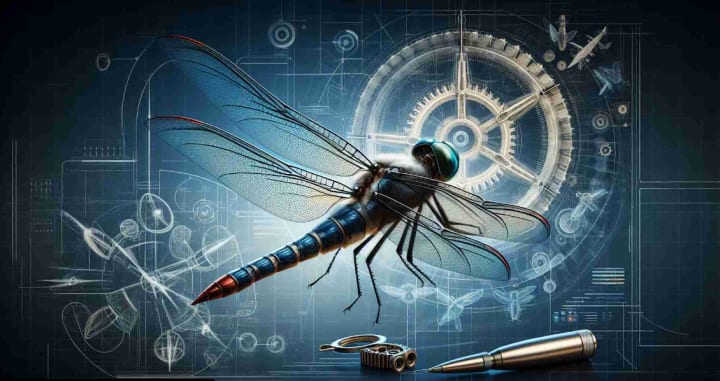
5 Dragonfly Wings Influence Helicopter Design: .Dragonfly wings inspired the design of helicopter blades due to their efficiency, flexibility, and ability to take various positions in the air.

6 Gecko-Inspired Sticky Technology: . Gecko's feet, with microscopic bristles, inspired Stanford University to create sticky gloves and footpads for climbing smooth surfaces.

7 Kingfisher Beak Shapes High-Speed Train: .The shape of the kingfisher's beak inspired the design of a high-speed train, reducing noise and increasing speed and energy efficiency.

8 Birds Inspire Airplane Design: . The Wright brothers studied birds to design the first airplane, learning from their wing shapes and wing-warping for balance.

9 Beaver-Inspired Wetsuits: .Engineers at MIT created wetsuits inspired by beavers, using a thin layer of small rubber V to trap warm air and prevent swimmers from freezing.

10 Humpback Whales Improve Wind Turbines: . Engineers mimicked the tubercles (bumps) on humpback whale fins to reduce air resistance on wind turbine blades, doubling energy productivity.
These examples highlight the incredible ways in which observing and learning from nature have contributed to the development of innovative technologies. Nature, with its abundance of resources and breathtaking landscapes, not only provides us with the essentials of life such as water, food, and fresh air but also serves as a wellspring of inspiration for the development of cutting-edge technologies. This symbiotic relationship between the natural world and human ingenuity is evident in the myriad inventions that have been inspired by the diverse forms of life inhabiting our planet.
One such remarkable innovation born out of nature's influence is the ubiquitous hook and loop fastener, popularly known as Velcro. In the 1940s, Swiss engineer George de Mestral, while walking his dog, observed burdock plant burrs clinging to his pet's fur. Intrigued by the plant's mechanism, he meticulously studied it and discovered small hooks that allowed it to adhere to various surfaces. Drawing inspiration from this natural design, George invented Velcro, a fastener for clothes, revolutionizing the way we secure garments.
The quest for more efficient solar panels led scientists from Princeton University to turn to nature for inspiration. They examined plant leaves, which are covered with small folds directed toward the light, optimizing their ability to absorb energy. Mimicking this design, researchers developed solar panels with similar folds, resulting in a nearly 50% increase in efficiency. This innovation demonstrates how the intricacies of plant structures can guide advancements in renewable energy technologies.
Nature's aesthetic beauty has also played a role in technological breakthroughs. Inspired by the self-cleaning properties of lotus leaves, a German construction company developed a unique paint that mimics the lotus's texture. Once dried, the paint forms a surface that repels dust, moisture, and dirt, showcasing how natural coatings can be harnessed for practical applications.
Animals, with their adaptive features, have been a wellspring of inspiration for various technological advancements. Camouflage clothing, inspired by the disguise techniques of tigers, toads, and chameleons, has proven effective in environments where similar color patterns make wearers difficult to distinguish from afar. This concept has been harnessed to create clothing that aids in concealment.
The dragonfly, an efficient predator with remarkable flight capabilities, inspired advancements in helicopter design. The aerodynamic efficiency of dragonfly wings, observed in their ability to take any position in the air and conduct precise maneuvers, influenced the design of modern helicopter blades. This emulation of nature's efficiency extends even to space exploration, as NASA engineers incorporated dragonfly-inspired features into a spacecraft for a mission to Titan.
In the realm of adhesion technology, geckos became the muse for sticky gloves and footpads. The microscopic bristles on a gecko's paws, forming an intricate pattern, served as a blueprint for creating adhesive materials. Stanford University's team developed sticky gloves using similar technology, allowing individuals to climb glass walls with ease.
The ingenious design of a kingfisher's beak provided a solution to noise pollution caused by high-speed trains. The bird's beak, which allows for a smooth entry into the water without splashes, inspired the redesign of train fronts. This not only increased train speed and energy efficiency but also significantly reduced noise, benefiting residents in proximity to railway tracks.
The evolution of flight, from Leonardo da Vinci's sketches inspired by birds to the Wright brothers' first airplane design, showcases how birds have been the model for airborne technologies. The observation of bird anatomy, wing shapes, and wing-warping for balance contributed to the development of the world's first successful airplane.
In the realm of aquatic exploration, the humpback whale provided insights for enhancing wind turbine efficiency. Engineers, noting the whale's spiral trajectory underwater, incorporated similar bumps called tubercles onto wind turbine blades. This adaptation reduced air resistance by 32% and doubled energy productivity, underscoring the potential of biomimicry in renewable energy solutions.
Even the humble beaver, with its ingenious method of staying dry in water, inspired engineers to create wet suits with a thin layer of small rubber V that retains warm air effectively. This innovation demonstrates how nature's adaptations to challenging environments can guide the development of human technologies.
In conclusion, the intersection of nature and technology continues to yield remarkable innovations across diverse fields. From the microscopic world of gecko paws to the vast expanses of the cosmos, the lessons learned from observing and emulating nature's designs underscore the importance of preserving and respecting the natural world. As we navigate the complexities of the technological landscape, nature remains an enduring source of inspiration and a guide for sustainable innovation.
About the Creator
Mmasi gordon
Absolutely, here's a bio for you:
--- hobbies :swimming
**Mmasi Gordon**
*Profession:* Nursing
---
Embarking on a journey of compassion and care, Mmasi Gordon is a dedicated nursing professional whose heart beats with the rhythm of healing.
Keep reading
More stories from Mmasi gordon and writers in Education and other communities.
Professional Skills That Separate Good Consultants from Great Ones
Consulting is a competitive field where expertise alone is no longer enough to stand out. While many consultants possess strong technical knowledge and industry experience, only a select group consistently delivers transformative results for their clients. What separates good consultants from great ones is the ability to combine analytical strength with exceptional communication, leadership, adaptability, and emotional intelligence to accelerate sustainable business growth.
By Nicole Metz6 days ago in Education
Unlocking Growth Through The Benefits of Hiring an External Perspective
Businesses often become deeply focused on daily tasks and internal routines. Over time, this focus can limit creativity and slow improvement. This is why many leaders explore the benefits of hiring an external perspective when facing complex decisions. An outside view brings clarity that internal teams may miss. Employees work closely with systems and may not notice hidden gaps. An external expert sees patterns without emotional attachment. Fresh insight can quickly highlight strengths and weaknesses. Clear feedback helps organizations move forward with confidence. Outside support also reduces internal bias. Leaders gain honest opinions that challenge old habits. Structured evaluation improves planning and results. When businesses open the door to outside insight, they often discover new opportunities for growth and stability.
By Nicole Metza day ago in Education
Staying sane in the insane world.
”It is no measure of health to be well adjusted to a profoundly sick society.” Jiddu Krishnamurti This quote has been one of my favourites since the moment I first laid my eyes on it. To me, it cuts right through the fog of the illusion of normality that permeates our lives. And since I am someone who has never felt (well) adjusted to this society, Krishnamurti’s words gifted me with the realisation that there isn’t anything inherently wrong with me.
By Eva Smitte2 days ago in Humans




Comments
There are no comments for this story
Be the first to respond and start the conversation.