
Natural Gas vs Propane Grills – Find Your Perfect Match
Comparing Fuel Types for the Best Grilling Experience

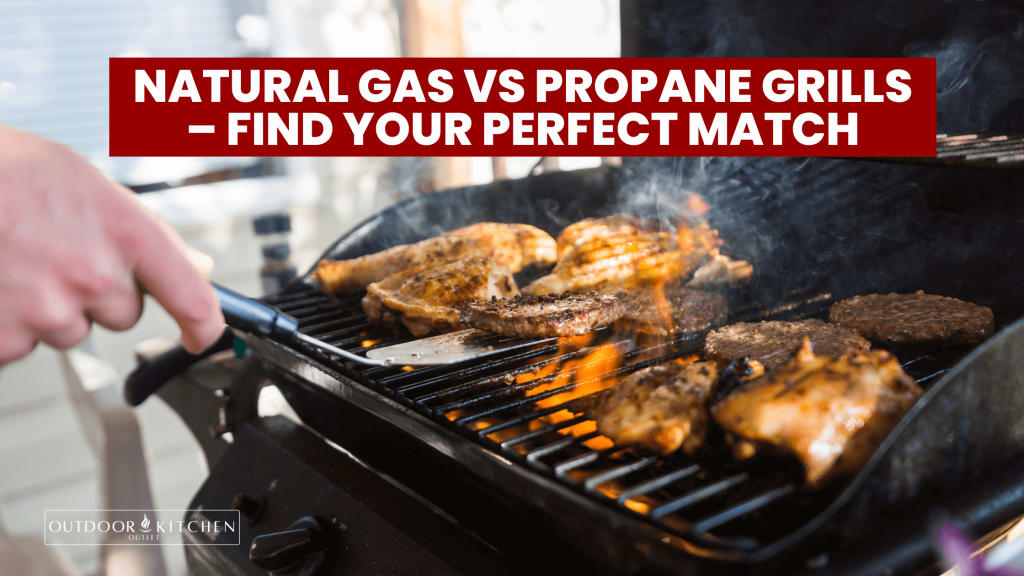
Choosing between a natural gas and a propane grill can have a big impact on your grilling experience. Both fuel types offer advantages, and the best option depends on factors like cost, convenience, efficiency, and portability.
Understanding their key differences will help you make an informed decision for your outdoor cooking needs.
Understanding Natural Gas and Propane
1. Natural Gas (NG)
Natural gas is a methane-based fuel that is delivered directly to homes through underground pipelines. It is an affordable and unlimited fuel source, making it a great option for frequent grillers.
However, installing a natural gas line requires a fixed connection, so natural gas grills are not portable.
2. Propane (LP)
Propane is a byproduct of petroleum refining and is stored in pressurized tanks. It burns hotter than natural gas, making it an efficient choice. Since propane grills use portable tanks, they are ideal for camping, tailgating, or moving around the backyard.
However, propane tanks need to be refilled or replaced regularly.
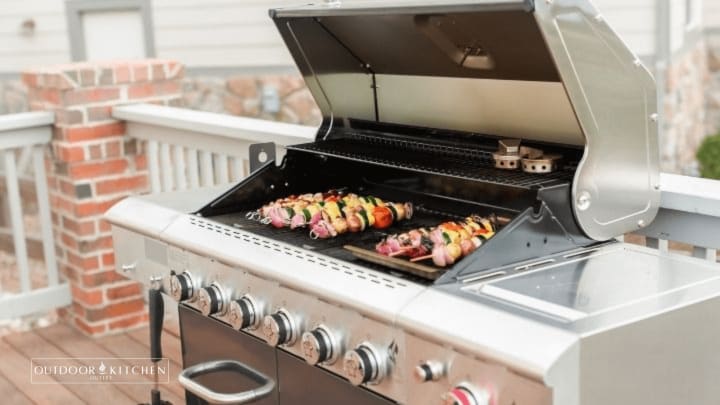
Comparing Natural Gas and Propane Grills
1. Cost Considerations
- Upfront Cost: Installing a natural gas line may require a professional technician, making the initial investment higher. In contrast, propane grills are generally cheaper and require no professional setup.
- Fuel Price: Natural gas is usually less expensive per unit than propane. However, because propane burns more efficiently, it may require less fuel overall.
- Long-Term Savings: For those who grill frequently, natural gas can lead to significant savings over time due to lower fuel costs and unlimited supply.
2. Convenience and Ease of Use
- Continuous Fuel Supply: Natural gas grills are connected to a home’s gas line, providing a steady fuel supply without the hassle of refilling tanks. Propane grills require manual refilling but offer the flexibility of being used anywhere.
- Setup and Installation: A propane grill is easy to set up—simply attach a tank, and it’s ready to use. A natural gas grill, however, requires professional installation and permanent placement.
- Portability: Propane grills are highly mobile, making them a great option for outdoor adventures. In contrast, natural gas grills are stationary since they depend on a fixed gas connection.
3. Heat Output and Energy Efficiency
- BTU (British Thermal Unit) Rating: Propane burns at 2,500 BTUs per cubic foot, while natural gas burns at 1,000 BTUs per cubic foot. This means propane burns hotter per unit, but many grills are designed to balance the difference in heat output.
- Fuel Efficiency: Since propane is denser and more energy-efficient, less fuel is needed to generate the same amount of heat as natural gas.
- Cold Weather Performance: Propane has difficulty vaporizing in extreme cold (-44°F or lower), while natural gas functions well year-round. However, most grilling takes place in moderate temperatures, making this a minor concern for most users.
4. Safety Considerations
- Leak Risks: Both fuels are flammable and must be handled with caution. Natural gas is lighter than air, so it rises and disperses, while propane is heavier, which means leaks can collect in low areas, posing a greater fire hazard.
- Odor Additives for Safety: Both gases are naturally odorless, but a chemical called mercaptan is added to help detect leaks.
5. Environmental Impact
- Emissions: Both fuels burn cleaner than charcoal, but propane produces lower emissions of carbon dioxide and methane.
- Carbon Footprint: Propane has a lower environmental impact since natural gas releases more methane, a potent greenhouse gas.
6. Flavor and Cooking Performance
- Taste Differences: Many believe there is no noticeable flavor difference between propane and natural gas grilling. However, propane burns hotter, which some claim improves searing, while others say natural gas offers a drier heat for better charring.
- Cooking Method Matters More: The grill’s design, seasoning, and technique have a far greater effect on flavor than the type of fuel used.
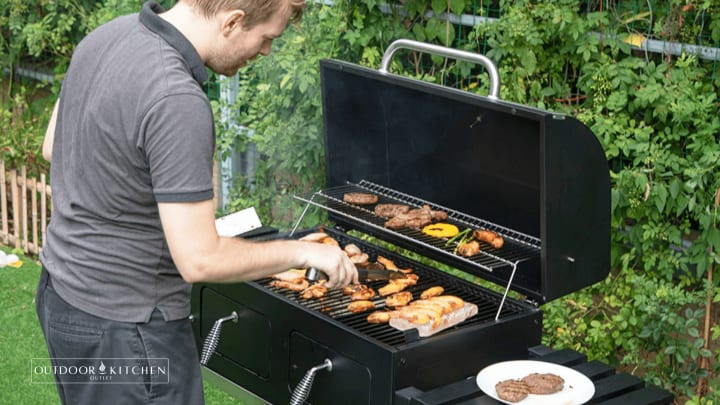
Natural Gas vs. Propane vs. Charcoal Grills
- Gas Grills (Propane/Natural Gas): Offer quick ignition, temperature control, and easy cleanup.
- Charcoal Grills: Require more effort and time to start, but deliver a rich, smoky taste that many BBQ lovers prefer.
Trends in Grilling for 2025
The grilling industry continues to evolve, with new technology enhancing the experience.
Some popular grill trends include:
- Hybrid Grills: These grills combine gas and charcoal, offering the best of both worlds.
- Smart Grills: Featuring Wi-Fi connectivity and temperature monitoring for precision cooking.
- Compact & Portable Grills: Ideal for small patios, balconies, and travel.
Fuel Efficiency of Natural Gas Grills
Even though natural gas is less energy-dense than propane, its lower cost and continuous supply make it a cost-effective choice for frequent grillers. Since natural gas never runs out, it eliminates the need for tank refills, making it an economical long-term solution.

Electric Grills vs. Gas Grills
- Electric Grills: Offer easy indoor use but have a lower heat output and require an electrical outlet.
- Gas Grills: Provide higher heat, better searing, and greater flexibility for outdoor grilling.
Which Grill Should You Choose?
A Natural Gas Grill is Best If:
- Your home already has a natural gas line.
- You grill often and want unlimited fuel.
- You prefer lower long-term costs.
- You want a permanent, built-in grill setup.
A Propane Grill is Best If:
- You don’t have a natural gas hookup.
- You want a portable grill for tailgating, camping, or small spaces.
- You prefer a simple setup without professional installation.
- You like higher heat output for faster cooking.

Final Thoughts
Both natural gas and propane grills offer excellent performance. If you value cost efficiency, convenience, and never refueling, a natural gas grill is ideal.
If you prioritize portability, flexibility, and a higher heat output, a propane grill is the better choice.
Whichever you choose, proper maintenance and safe handling are key to ensuring your grill performs at its best. Happy grilling!
About the Creator
Outdoor Kitchen Outlet
Discover unbeatable prices on BBQ grills and accessories at Outdoor Kitchen Outlet. 20+ years of expertise to elevate your outdoor cooking experience!
https://outdoorkitchenoutlet.com/
Keep reading
More stories from Outdoor Kitchen Outlet and writers in Education and other communities.
Natural Gas Outdoor Grills: The Ultimate Guide
Why Choose a Natural Gas Outdoor Grill? Natural gas grills are a popular choice for those who want to take their outdoor cooking to the next level. Unlike propane grills, which require refilling or swapping out tanks, natural gas grills are directly connected to your home’s gas line. This means you never have to worry about running out of fuel in the middle of cooking.
By Outdoor Kitchen Outlet12 months ago in Education
Foreclosure vs. Short Sale: 7 Key Differences Every Real Estate Pro MUST Know
You are driving through a target neighborhood and spot a classic "diamond in the rough." The lawn is overgrown, mail is spilling out of the box, and the shutters are hanging by a thread. To the untrained eye, it is just a neglected house. To a seasoned real estate professional, it is a potential high-margin opportunity.
By REI Data Solutions2 days ago in Education
Olena Kalaitan on Mariupol, Journalism, Language, and War in Ukraine
Olena Kalaitan is a Ukrainian journalist and editor best known for leading Mariupol’s Pryazovskyi Robochyi newspaper and heading the Donetsk regional organization of the National Union of Journalists of Ukraine. During Russia’s 2022 siege of Mariupol, she stayed in the city for 23 days, survived the destruction of her home, and escaped on foot with her son. She later became a prominent voice for displaced journalists, media freedom, and the revival of independent Ukrainian journalism in occupied and war-affected regions. Kalaitan has also warned publicly against Russian propaganda issued under the stolen name of her newspaper during wartime occupation there.
By Scott Douglas Jacobsen4 days ago in Education


Comments (1)
are you chef?