
Natural Gas Grill Maintenance Tips and Cleaning Hacks
There's something deeply satisfying about a perfectly grilled steak or a set of golden-brown skewers sizzling over flame. But before the aromas take over your backyard, it’s important to check in on your grill — especially if it's powered by natural gas. Many people don’t realize that keeping a grill in good shape isn’t just about appearances or basic cleanliness. It’s about safety, performance, and protecting an investment that brings joy (and tasty meals) all summer long. So, if you’re dusting off the cover and dreaming of BBQ season, here’s a friendly guide to help you keep your natural gas grill running like a champ.


Why Grill Maintenance Actually Matters
Neglect is one of the fastest ways to shorten a grill’s lifespan. Over time, food residue, grease buildup, and exposure to the elements can cause:
- Uneven heat distribution
- Dangerous flare-ups
- Corroded burners and parts
- Gas leaks
- Dull, off-flavored food
A few easy habits can help you avoid these problems. Think of it like car maintenance — it’s way cheaper and less stressful to stay ahead of issues than to deal with breakdowns mid-burger flip.

Step-by-Step Maintenance Tips for Your Natural Gas Grill
1. Clean the Burners and Grates
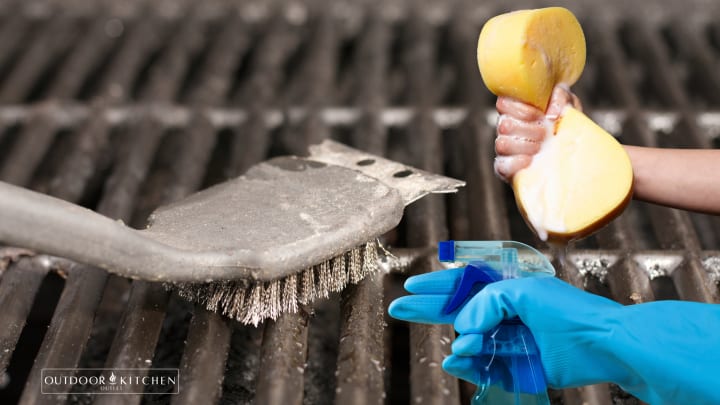
Your burners control the heat, and if they’re clogged, your grill can become unpredictable. Turn off and disconnect the gas supply, remove the burners, and scrub the ports gently with a wire brush. For the grates, soaking them in warm soapy water before scrubbing can help tackle stubborn buildup.
Tip: Grates are easiest to clean while still warm after grilling. Just use a grill-safe brush or cloth.
2. Check the Hose for Leaks
A cracked or worn-out gas hose can be a serious safety risk. Inspect it closely. If it’s dry, brittle, or cracked, replace it. You can also do a quick soap test — brush a bit of soapy water on the hose while gas is on. If you see bubbles form, that’s a leak.
3. Test the Igniter
A working igniter is essential for easy startups. If there’s no click or spark, try replacing the battery or gently cleaning the contact point with fine sandpaper. Still nothing? It may be time to replace the unit.
4. Tighten Loose Wheels and Grease the Hinges
Stability is key when dealing with flames. If your grill feels wobbly, check the bolts around the wheels. A quick tighten-up can make a big difference. And for those creaky hinges, a quick spray of Teflon lubricant or WD-40 helps keep the lid moving smoothly.
Deep Cleaning Every Few Uses
Grilling once a week? Every 3–5 sessions, give your grill a deeper clean:
- Scrape the sides and shelves to remove grease and carbon buildup
- Vacuum out ash or debris from the grill barrel
- Clean the drip tray and replace foil liners if needed
- Remove and clean burner ports for consistent heat
This isn’t just for aesthetics. Grease fires often start because of ignored buildup. Staying on top of it keeps your food and your family safe.
Simple Hacks That Make Grill Cleaning Easier
- Line your drip tray with foil to cut down on mess
- Use bristle-free brushes to avoid loose wires ending up in your food
- Keep a small set of grill wipes nearby for quick wipe-downs after each use
- Store your tools and accessories in a dry container nearby for easy access
Don’t Forget the Cover
One of the most overlooked steps? Using a grill cover. It protects your grill from rain, dust, and UV damage. A high-quality cover adds years to your grill’s life and means less cleaning for you. Win-win.

Safe Grilling Starts With Good Habits
Here are a few safety reminders to keep your grilling sessions smooth:
- Always open the lid before igniting
- Grill outdoors in a well-ventilated space
- Maintain clear space around the grill — no tight corners or flammable materials nearby
- Let the grill cool fully before covering it
- Shut off the burners first, then turn off the gas supply
Pro tip: Keep baking soda nearby to quickly put out grease fires. Never use water.

Know When It’s Time to Replace
Even a well-maintained grill will need part replacements eventually. If you notice:
- Burners that are rusted or uneven
- Grates that are flaking or sticking
- Igniters that won’t spark even after cleaning
- Cracked or leaking hoses
…it’s time for an upgrade. Replacing these parts can make your grill feel brand new again — and save you from a costly full replacement.

Final Thoughts
Natural gas grills are a fantastic way to enjoy consistent, powerful cooking. But like anything that gets frequent use, they need regular care. The good news? It’s not hard. Just a few intentional steps can extend your grill’s life, improve your food’s flavor, and help you enjoy stress-free cookouts all season long.
So, grab your brush, check those burners, and give your grill a little love. It’ll thank you with every juicy burger, crispy skewer, and perfectly seared steak.
About the Creator
Outdoor Kitchen Outlet
Discover unbeatable prices on BBQ grills and accessories at Outdoor Kitchen Outlet. 20+ years of expertise to elevate your outdoor cooking experience!
https://outdoorkitchenoutlet.com/
Keep reading
More stories from Outdoor Kitchen Outlet and writers in Education and other communities.
Top Benefits of Natural Gas Grills for Your Outdoor Kitchen
If you enjoy spending time outside and love to cook, having a grill in your backyard is a must. When it comes to choosing the right type of grill, natural gas grills are becoming more popular with homeowners who want something reliable, easy to use, and cost-effective.
By Outdoor Kitchen Outlet11 months ago in Education
Teachers vs. Society's Perception
Love them or Hate Them: Teachers are Important Members of the Community It was the late 1990s and the economy was good. Everybody had money in their pockets and felt no qualm about spending. I, on the hand, never had to pull out money at the local bar and grills. All I had to do was mention I was a public school teacher and nearly every patron was willing to buy me a drink.
By Dean Traylor5 days ago in Education


Comments
There are no comments for this story
Be the first to respond and start the conversation.