
Monetization Models for Indie Games: Balancing Profit and Player Experience
Explore the Best Indie Game Monetization Strategies — From In-App Purchases to Premium Pricing — Without Compromising Gameplay or Player Trust

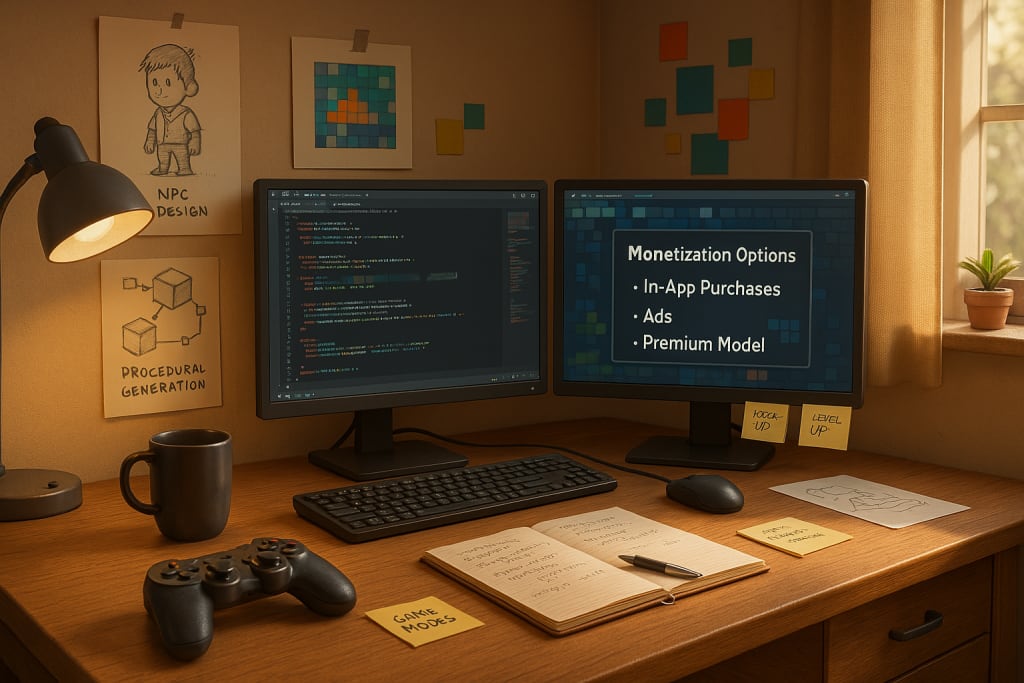
Monetizing an indie game is one of the most important — and often most difficult — parts of indie game development. Striking the right balance between earning revenue and delivering a great player experience can make the difference between a game that thrives and one that fizzles out.
In this post, we’ll break down the most popular monetization models for indie games, analyze the pros and cons of each, and offer actionable strategies to implement them without alienating your players.
Why Monetization Matters in Indie Games
Indie developers face a unique set of challenges. Unlike AAA studios, you’re likely working with a limited budget, small team, and a passionate (but not always predictable) audience. Monetization isn’t just about turning a profit — it’s about ensuring sustainability, funding future projects, and rewarding the countless hours of development.
However, poor implementation can frustrate players, damage your reputation, and ultimately hurt long-term success. That’s why understanding your options — and how to integrate them seamlessly — is critical.
1. Premium (Paid Upfront) Model
Overview:
Players pay once to download and own the game.
Best For:
- Story-driven, single-player experiences
- Niche or retro-inspired games
- Games with a clear, complete experience
Pros:
- Transparent pricing
- No gameplay interruptions
- Appeals to players tired of microtransactions
Cons:
- High barrier to entry (especially on mobile)
- Requires strong marketing to justify cost
- Limited ongoing reven
Implementation Tips:
- Offer a free demo to reduce risk for players.
- Use Steam’s wishlist and review systems to build trust.
- Bundle the game in sales or with similar indie titles.
2. Freemium + In-App Purchases (IAPs)
Overview:
The game is free to play, but players can buy cosmetic items, boosts, or new content.
Best For:
- Mobile and casual games
- Multiplayer games
- Games with repeatable loops (e.g., roguelikes, card battlers)
Pros:
- Low friction entry
- Scales revenue with player base
- Encourages long-term engagement
Cons:
- Risk of “pay-to-win” perception
- Can interrupt immersion
- Complex to balance
Smart Strategies:
- Focus on cosmetic-only purchases to avoid unbalancing gameplay.
- Offer season passes or limited-time content to drive engagement without FOMO fatigue.
- Make sure all purchases feel optional — not required to progress.
3. Ads (Rewarded or Interstitial)
Overview:
Monetize via in-game advertisements. This includes interstitial ads, banner ads, or rewarded video ads.
Best For:
- Mobile hyper-casual games
- Free games with short session lengths
- Games targeting larger, ad-tolerant audiences
Pros:
- Allows 100% free access
- Easy to integrate with SDKs like AdMob or Unity Ads
- Passive revenue stream
Cons:
- Can disrupt gameplay
- Players may perceive the game as low-quality
- Requires high volume for significant returns
Best Practices:
- Use rewarded ads only, where players opt-in for in-game bonuses.
- Avoid interrupting gameplay with ads — place them at natural breaks or menus.
- Cap frequency to prevent fatigue.
4. Subscriptions and Battle Passes
Overview:
Players pay a recurring fee for access to exclusive content, cosmetics, or progression boosts.
Best For:
- Live-service games with regular updates
- Games with competitive or social play
- Large, engaged player bases
Pros:
- Predictable monthly revenue
- Encourages retention
- Adds long-term value for dedicated players
Cons:
- Requires frequent content updates
- High churn risk
- Difficult to implement for small teams
Implementation Tips:
- Keep subscription perks non-essential to core gameplay.
- Communicate content updates clearly.
- Use a battle pass model with free and premium tracks to offer value at every level.
5. Donation and Patronage Models
Overview:
Players can donate or subscribe via platforms like Patreon, Ko-fi, or Itch.io's "Pay What You Want" system.
Best For:
- Solo devs or very small teams
- Narrative or experimental games
- Games with strong community followings
Pros:
- Community-driven support
- Low pressure on monetization
- Builds goodwill and loyalty
Cons:
- Income is unpredictable
- Difficult to scale
- Requires strong fan engagement
Tips for Success:
- Offer behind-the-scenes access, dev diaries, or exclusive builds as rewards.
- Be transparent about how donations support the game.
- Use your mailing list, Discord server, and devlog to keep fans engaged.
- Balancing Monetization with Player Experience
Monetization should never feel like a wall between the player and enjoyment. Here are a few key principles to ensure you're putting players first:
1. Respect the Player's Time
Avoid grinding or progression bottlenecks designed to push purchases. Instead, reward skill and experimentation.
2. Keep Monetization Optional
Players should feel in control. No element of your game should feel locked behind a paywall unless clearly stated upfront.
3. Be Transparent
Let players know how monetization works before they commit. Surprises might lead to uninstallations and bad reviews.
Soft launch your monetization systems or gather feedback from a trusted player community before scaling up.
Case Studies: Indie Games Doing Monetization Right
Dead Cells (Premium Model)
Motion Twin released Dead Cells as a paid title with post-launch updates and optional DLC. No ads, no IAPs — just quality gameplay. The model worked due to its polished design and strong word-of-mouth.
Monument Valley 2 (Paid + DLC)
The sequel built on the success of the first game with a similar pricing strategy: pay once, enjoy fully. Later DLC expansions offered extra value without gating the core game.
Alto’s Odyssey (Free with Ads & IAPs)
Players can enjoy the full game for free, with optional purchases and rewarded ads that feel natural, not intrusive.
Choose the Right Model for Your Game
There’s no one-size-fits-all when it comes to monetizing indie games. The best model depends on your game’s genre, audience, platform, and your own goals as a developer. What matters most is that you’re thoughtful in your approach.
Respect your players, test your systems, and remember — a satisfied player is far more likely to support you, recommend your game, and come back for your next project.
Frequently Asked Questions
Q: Can I use multiple monetization models at once?
Yes — hybrid models are common. For example, a game might use both IAPs and rewarded ads, or offer a free version alongside a premium upgrade.
Q: Are ads a bad idea for narrative games?
Often, yes. Ads can disrupt immersion in story-heavy games. Instead, consider premium pricing or donation models.
Q: How do I avoid a pay-to-win reputation?
Ensure that purchases don’t give unfair advantages. Cosmetics, convenience items, or purely optional content are safer bets.
About the Creator
Richard Bailey
I am currently working on expanding my writing topics and exploring different areas and topics of writing. I have a personal history with a very severe form of treatment-resistant major depressive disorder.
Keep reading
More stories from Richard Bailey and writers in Education and other communities.
Top 10 Construct 3 Plugins to Enhance Your Game Development
Construct 3 is a powerful game development platform designed for both beginners and seasoned developers. With its intuitive drag-and-drop interface and event-based system, Construct 3 allows developers to rapidly prototype and deploy games across multiple platforms. However, one of the most underrated aspects of Construct 3 is its vast library of plugins that can significantly enhance functionality, streamline development, and add new gameplay possibilities. In this article, we'll explore the top 10 Construct 3 plugins that every game developer should consider integrating into their workflow.
By Richard Bailey11 months ago in Education
Beyond the Protein: Mastering Wine Pairings by Understanding the Sauce
When planning a remarkable dinner, many hosts instinctively choose the wine based on the main protein. They assume red wine belongs with beef and white wine suits chicken or fish. However, this traditional rule often oversimplifies the art of pairing. Because sauces concentrate seasoning, texture, and aroma, they define the dish’s personality more than the protein itself. Therefore, if you want a truly elevated dining experience, you should evaluate the sauce before selecting the wine.
By Joel Barjenbruch4 days ago in Education
The Invisible War for Your Mind: How Social Media Hijacked Human Attention — And How to Take It Back
The Invisible War for Your Mind: How Social Media Hijacked Human Attention — And How to Take It Back From dopamine loops to digital manipulation — why your focus is no longer fully yours
By The Insight Ledger 2 days ago in Education



Comments
There are no comments for this story
Be the first to respond and start the conversation.