
Millwrights vs. Machines: The Experts Who Keep the Big Stuff Running
Discover the the Differences between Millwrights and Machines...
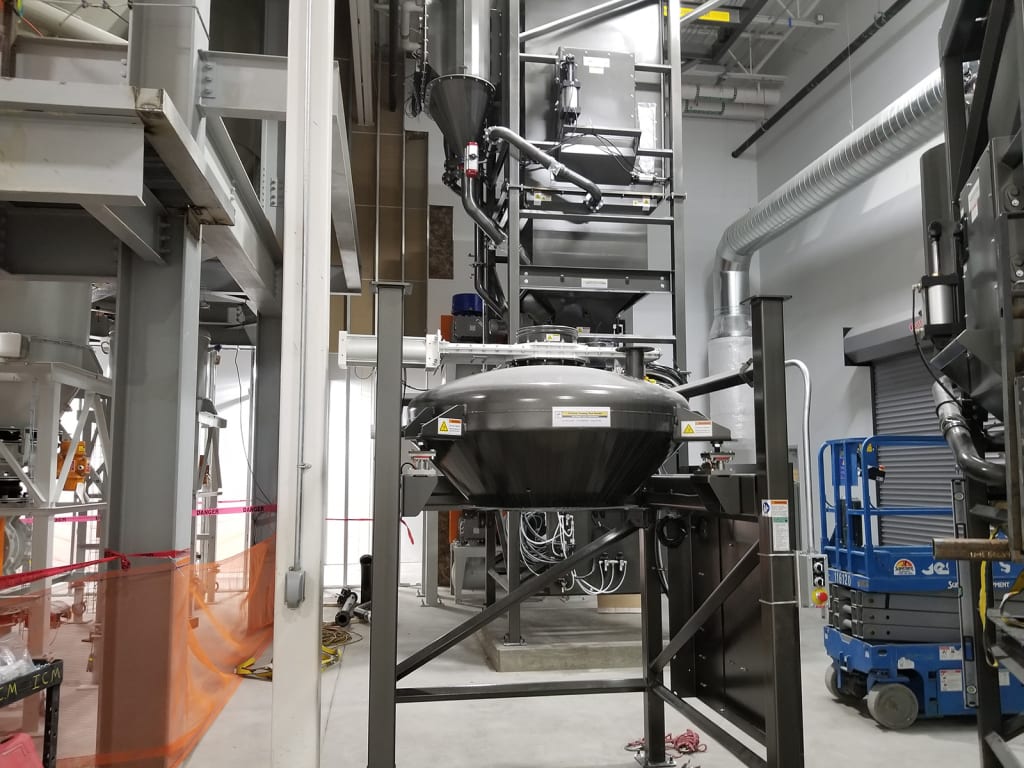
Let's get real—factory equipment can be constructed sturdy, but it can't last forever. It's always operating, moving, grinding, cutting, and generating. Something is gonna wear out, get out of alignment, or, worst of all, breakdown in the midst of a major operation. And when that happens, you don't call your average repairperson—you call a millwright.
These master craftsmen are the backbone of industrial production. If it's large, mechanical, and vital to keeping an industrial plant operating, millwrights are the ones ensuring that it continues to run. But what do they do, and why are they so vital? Let's find out.
What Exactly Does a Millwright Do?
If you’ve ever heard the term “millwright” and thought, that sounds like an old-school medieval job, you’re not entirely wrong. Millwright have been around for centuries, originally working on watermills and windmills. But today’s millwrights have evolved into high-tech problem solvers who install, repair, and maintain industrial machinery across a range of industries.
They're the ones who service conveyors, turbines, compressors, pumps, generators, and pretty much any other hunk of heavy-duty industrial machinery you can imagine. From factories to power plants, sawmills to refineries—if it's got big, complicated machinery, you can be sure a millwright is working behind the scenes to keep it running at its best.
When Machines Fight Back, Millwrights Step In
Let's get real—equipment doesn't always play ball. It doesn't respond well to dust, friction, or wear and tear, and when it does choose to pack it in, it's never at a good time. That's why millwrights don't merely repair issues; they prevent and foresee them.
Their work isn't merely about grabbing a wrench and praying for the best. Millwrights possess an arsenal of abilities, including:
Accuracy Alignment – A machine that's even a little out of alignment can generate vibrations, excessive wear, and total breakdown. Millwrights utilize laser alignment and dial indicators to get everything just right.
⚙️ Installation & Overhaul – Putting in new industrial machinery isn't installing an IKEA shelf. It takes accuratemasurements, rigging, balancing, and fastening components to deliver maximum performance.
Maintenance & Repairs – Preventative maintenance is the best way to prevent expensive downtime. Millwrights check, lubricate, and fix machines before they can fail.
Rigging & Moving Heavy Machinery – Occasionally, equipment must be moved or replaced. Millwrights do the heavy lifting (literally) with cranes, hoists, and specialized rigging methods.
Welding & Fabrication – Off-the-shelf components are not always the answer. Millwrights will fabricate special parts in order to maintain machinery and equipment in working condition.
Why Millwrights Are the Backbone of Industrial Sites
Consider this—if a machine in a power plant or factory fails, it doesn't merely impact one unit of equipment. It can cause an entire operation to come to a standstill. And downtime? That's costly. In certain industries, a single hour of unscheduled downtime can be thousands (or even millions) of dollars.
That's where millwrights enter the picture. They don't only repair breakdowns—they keep them from happening. By meticulous maintenance, precise installation, and skilled troubleshooting, millwrights make certain that industrial processes continue operating smoothly.
A machine that is well-maintained results in:
✔️ Fewer breakdowns – No more those disastrous, "shut everything down" situations.
✔️ Longer equipment lifespan – Grueling effort preserves the lifespan of costly equipment.
✔️ More secure working environments – An impeccably aligned and serviced machine won't likely crash and injure people.
Simply put, if it weren't for millwrights, manufacturing operations would be in perpetual turmoil.
Millwrighting: A Career for the Tough, the Smart, and the Precise
Let's get one thing clear—being a millwright isn't for everybody. It's a hands-on, physically demanding occupation that demands mechanical knowledge, problem-solving abilities, and serious attention to detail. But for those who enjoy working with machines, solving intricate problems, and witnessing the direct results of their labor, it's one of the most fulfilling careers available.
Millwrights are usually summoned to repair emergencies, which is thinking on the fly and moving even quicker. They must rapidly diagnose problems, decide on the optimal solution, and implement it perfectly—all under the constraints of working with gigantic pieces of equipment that don't allow for a lot of mistake-making.
And, let's not forget—millwrighting is not a job that gets done from an office chair. If you enjoy working with your hands, troubleshooting how things operate, and ensuring multi-million-dollar machines aren't converted into giant paperweights, then this is the career for you.
Final Thoughts: Respect the Millwrights
The next time you pass by a factory plant, refinery, or power house and notice that it is humming like a well-lubricated machine, appreciate the unobserved millwrights at work.
Because when a vital piece of equipment fails, or a whole system has to be installed from the ground up, it's the millwrights who get it done. They're the specialists who keep the big machines running—and without them, industry in its current form would come to a standstill.
Need expert millwright services? ICM Inc. has the pros industrial Construction to keep your operation moving. Whether it’s installation, repairs, or precision maintenance, we’re here to help. Let’s get to work.
About the Creator
Industrial Construtors Manager Inc.
Industrial Constructors/Managers Inc. (ICM Inc.) is a leading industrial construction company specializing in heavy construction, fabrication, plant maintenance, rigging, piping, electrical, and specialty services.
Keep reading
More stories from Industrial Construtors Manager Inc. and writers in Education and other communities.
How Industrial Construction Differs from Commercial Construction
Differentiating between commercial and industrial construction in these sectors is important for any company thinking about a significant building project. From processes, materials, designs, and prerequisites, commercial and industrial construction differ in many ways.
By Industrial Construtors Manager Inc.7 months ago in Education
Why Creative Thinking is the Catalyst for Higher Productivity
In many professional settings, creativity and productivity are often seen as separate, even conflicting, concepts. Productivity is typically associated with structure, deadlines, and measurable output, while creativity is considered unstructured, unpredictable, and harder to quantify. But this outdated thinking overlooks a critical truth: a creative mindset is a powerful driver of productivity.
By Norman Badger3 days ago in Education



Comments
There are no comments for this story
Be the first to respond and start the conversation.