
How Industrial Construction Differs from Commercial Construction
Not All Construction Is Created Equal
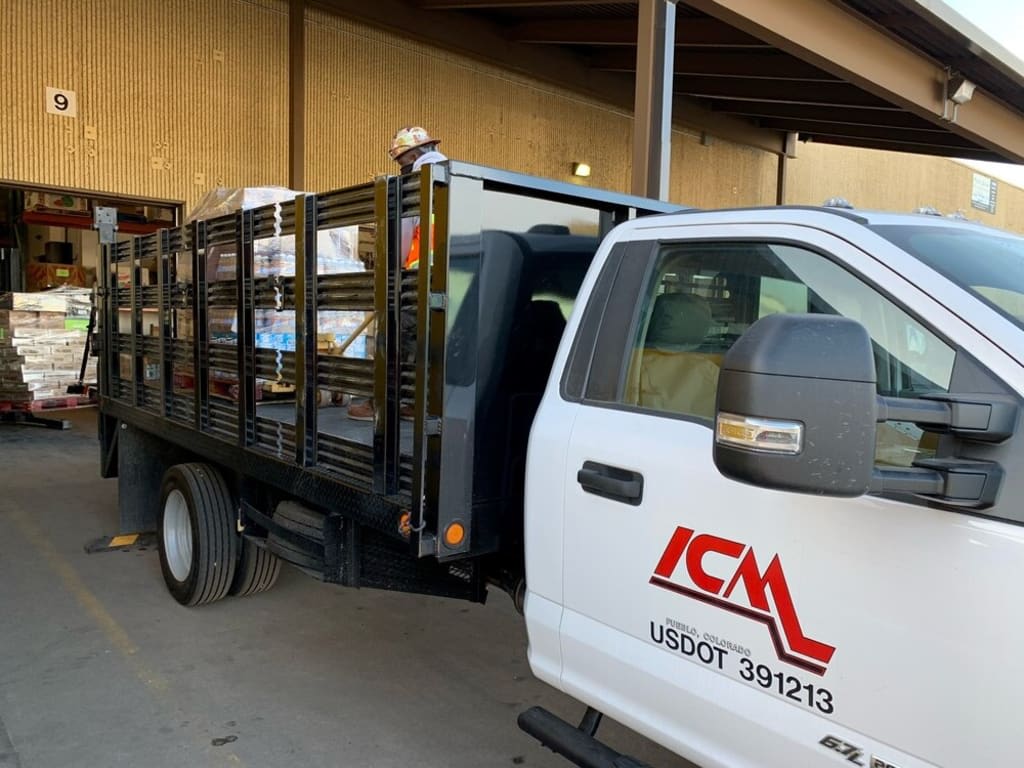
Differentiating between commercial and industrial construction in these sectors is important for any company thinking about a significant building project. From processes, materials, designs, and prerequisites, commercial and industrial construction differ in many ways.
As a business owner, developer, or manager trying to strategically appoint a contractor or plan a project, this blog will assist stakeholders in reaching appropriate choices by outlining some differences between commercial and industrial construction.
Intention and Function
In most instances around construction projects, the differentiation between an industrial building construction company and a commercial building is made based on the intended goals, which is the simplest factor.
Industrial construction encompasses structures like manufacturing and processing plants, warehouses, and distribution centers along with other facilities meant for industrial use. As with other types of industrial buildings, the design must prioritize durability and functionality. These structures also require spacious layouts to accommodate heavy machinery, automated systems, and advanced infrastructure, which includes extensive factories, power plants, and refineries.
Client-facing spaces include restaurants, retail shops, office buildings, shopping malls, and even hotels. For such projects, design aesthetics and customer experience are paramount in addition to complying with public safety construction regulations for the region.
Drafting and Planning
For commercial buildings, design considerations often focus on the aesthetics or the visual appeal and mood evoked by the interior spaces. Architects, as a part of their primary duties, make sure that spaces are designed to incorporate strategies with natural light as well as user-friendly movement and circulation patterns. In any industrial structure, the materials chosen also cut across current industrial design concepts and comfort in terms of branding and style.
Construction firms working on industrial buildings pay particular attention to utility, as the structures require heavy-duty processes like reinforced frame configurations to house large machinery, facilitate logistics, and maintain ample space. Advanced civil engineering techniques pertaining to strength and safety, specially designed, built-for-purpose systems like HVAC (for warm machines or chemical exhaust) are integrated.
Construction Materials
Commercial structures attract a lot of attention concerning glass and the combination of drywall with wood and metal. Timber adds warmth while drywall and metals add to the aesthetics of a space. Construction encompasses a very sophisticated interior design, which might be seen as a critical component of the overall construction.
Emphasis on industrial construction shifts to custom steelwork and reinforced concrete. This is mostly because the steel is able to endure extreme stress, is tough, and is long-lasting. In general, custom steel fabrication of modules results in greater efficiency and accuracy since you are able to deliver them as units.
Project Difficulty Level
An example of an industrial project that is more advanced than a commercial one is one that contains additional engineers and fabricators, a project manager, and specialized heavy-duty automated robotics designed to work with hazardous materials.
Commercial projects may be more complicated than baseline templates, but they remain significantly simpler than industrial projects in technology and safety systems sophistication. There are predetermined designs for the whole site, as well as step-by-step plans for each sequence of operations.
Compliance and Regulations
Both sectors have to comply with local and national regulations, but in the case of industrial projects compliance is stricter. There are specific legal safeguards about emissions and waste regarding the construction of the given buildings that fall under governance rules.
For example, a local construction authority would reject a submission for a manufacturing plant that does not include specially designed filters and fire-suppression systems for the volatile chemicals that are traditionally used. State-level authorities must also provide these types of permits in addition to local construction authority.
Site Selection
Visibility and accessibility are distinguishing factors for selecting commercial projects, as they are located in urban or suburban areas. Signage and ample parking access are important for retail business as well. In contrast, the location for industrial facilities is in rural areas or industrial parks because they need space for large equipment, transport access, and room for future expansion.
Logistics will be affected alongside the construction schedule due to these site variations. While some features may be beneficial, the bespoke elements and custom permitting process on industrial projects make them more time-expensive.
Life Cycle and Maintenance
Continued attention to commercial buildings is a result of tenant or client satisfaction, as these structures require updates, renovations, and/or system overhauls to be visually appealing.
Changes to the exterior are the only alterations made to an industrial building’s shell which contributes to its lengthy life cycle. Lifecycle maintenance focuses on compliance concerning structure and safety, making these costs less aesthetically driven.
Cost Comparison
These follow the same approach as other commercial projects, where costs are based on market demand. This in turn affects branding and design leading to a greater impact on pricing.
Unlike the industrial building, a commercial one is most certainly cheaper. Nonetheless, slow production growth or strict zoning and construction regulations may lead to progressively higher costs.
To construct an industrial building, you will incur costs greater than those of a commercial structure. These added costs are from raw materials and more intricate designs combined with greater regulations. Despite the fact that buyers may be shocked by the initial cost, there is so much more raw value to expanding production, streamlining logistics, or increasing the warehouse.
The Bottom Line
In considering industrial construction vs commercial construction, it is not just the type of building that needs to be chosen as there are multi-dimensional elements that need to be considered. It revolves around business operations and fulfils the tactical roadmap of the enterprise. Further, the corporate social responsibility obligations of the company need to be met before the construction partner is settled.
A skilled industrial building construction contractor is needed for logistics and utilities as well as some manufacturing firms and other companies. These firms possess considerable understanding of the large scale operations and compliance as well as the industrial structural requirements. In addition, industrial firms that specialize in custom steel fabrications offer tailored solutions that maximize efficiency and provide high durability and safety standards.
At ICM, we deliver unparalleled industrial construction services tailored to the specific needs of a business. We offer custom steel fabrication and even undertake ground-up builds. Making sure that project executions adhere to the company’s engineering standards as well as making use of the decades of experience the company has is part of ICM’s core values.
About the Creator
Industrial Construtors Manager Inc.
Industrial Constructors/Managers Inc. (ICM Inc.) is a leading industrial construction company specializing in heavy construction, fabrication, plant maintenance, rigging, piping, electrical, and specialty services.
Keep reading
More stories from Industrial Construtors Manager Inc. and writers in Education and other communities.
5 Ways to Reduce Costs in Industrial Building Construction
Businesses make significant capital investments while undertaking industrial construction projects. Businesses would always be concerned with the cost implications when setting up manufacturing plants, warehouses, or distribution centers again. Even in the face of material price volatility and ongoing labor shortages, companies require proven strategies to complete their projects within budget without jeopardizing quality or safety considerations.
By Industrial Construtors Manager Inc.7 months ago in Education
Friendship with Books
Arslan and Rehan were very close friends. They studied in the same class and lived in the same neighborhood, which made their friendship even stronger. Despite being similar in age and environment, their interests were quite different. Rehan had a deep love for reading. He was not limited to his textbooks alone; instead, he eagerly read all kinds of books, including storybooks, history, general knowledge, and books full of interesting events. For Rehan, books were not just a habit—they were a way of life.
By Sudais Zakwanabout 2 hours ago in Education
Dr. Richard Kannwischer on Christian Community in a Digital Age: Koinonia and the Ethics of Belonging
Dr. Richard Kannwischer is Senior Pastor of Peachtree Presbyterian Church and has served more than 25 years in pastoral ministry. He earned a Master of Divinity from Princeton Theological Seminary and a Doctor of Ministry from Fuller Theological Seminary. A gifted communicator, he is passionate about helping people see how the story of God speaks with clarity, depth, and relevance to everyday life. His preaching and writing blend theological rigor with storytelling, making complex truths accessible and engaging. Whether in the pulpit, on the page, or in conversation, he invites audiences into practical, life-giving Christian faith for seekers and believers.
By Scott Douglas Jacobsen3 days ago in Education
Rachel Reviews: The Spiral Archive by Pieter Hendrik
It's difficult for me to know where to start with a review of this book as it was, for me, an entirely unique experience and one that I'll probably never have again. I don't want that to be interpreted as unenjoyable but it has left me scratching my head a little and ruminating on its content, its themes and its characters.
By Rachel Deeming6 days ago in BookClub



Comments
There are no comments for this story
Be the first to respond and start the conversation.