
Metaverse Development 101: A Beginner’s Guide
In this beginner’s guide, we will cover the basics of Metaverse development, from its definition to the tools and resources needed to get started.

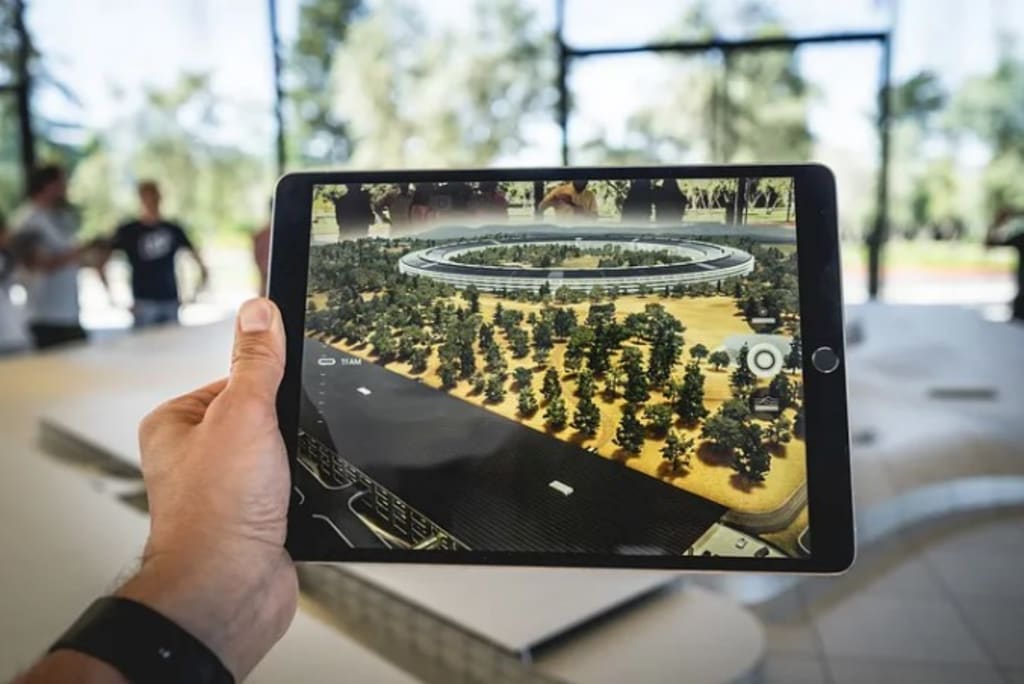
The concept of the Metaverse has been gaining traction lately, and with its potential to revolutionize the way we interact with digital spaces, it’s not hard to see why. But where does one begin with Metaverse development?
Whether you’re an entrepreneur looking to explore this exciting new world or a developer seeking to expand your skill set, this guide will provide you with the foundational knowledge you need to begin your journey into Metaverse development.
Understanding Metaverse Development
Metaverse development is the process of creating virtual environments and experiences for users to interact with in the metaverse. It involves using a combination of technologies such as virtual and augmented reality, 3D modeling, programming, and game design. Metaverse developers strive to create immersive, interactive, and social experiences that enable users to explore, create, and engage in new ways.
To understand metaverse development, it’s important to first understand the concept of the metaverse itself. The metaverse is a collective virtual shared space that is created by the convergence of multiple virtual worlds and augmented reality overlays. It is envisioned as a fully immersive, interactive, and persistent environment that offers users the opportunity to explore, interact, and engage with each other and with virtual objects and spaces.
Metaverse development involves creating the underlying technologies, platforms, and tools that enable the creation and management of these virtual spaces and experiences. It involves designing and developing virtual environments, objects, and avatars, as well as programming the logic and rules that govern their behavior and interactions.
Tools and Technologies for Metaverse Development
Tools and technologies are essential for building and developing metaverse applications. This section will introduce some of the common tools and technologies used in metaverse development:
Game engines:
Game engines are software frameworks designed to facilitate game development. Some popular game engines used for metaverse development include Unity, Unreal Engine, and Godot.
3D modeling software:
3D modeling software is used to create 3D models of objects and environments. Some popular 3D modeling software tools used in metaverse development include Blender, Maya, and 3ds Max.
Programming languages:
Metaverse development requires programming skills. Some popular programming languages used in metaverse development include C#, C++, and JavaScript.
Blockchain technology:
Blockchain technology is becoming an increasingly important aspect of metaverse development, enabling secure and decentralized virtual economies. Platforms such as Ethereum and EOS provide blockchain infrastructure for metaverse developers to build on.
Virtual reality headsets:
Virtual reality headsets are a key component for building immersive metaverse experiences. Some popular VR headsets used in metaverse development include the Oculus Rift, HTC Vive, and PlayStation VR.
Augmented reality tools:
Augmented reality tools such as ARKit and ARCore are used to build mixed-reality experiences that combine digital objects with the real world.
These are just a few of the many tools and technologies available for metaverse development. Understanding and mastering these tools is essential for building immersive and engaging metaverse experiences.
Metaverse Development Process
Metaverse development is a complex process that requires careful planning, design, and implementation. Here are the key steps involved in the metaverse development process:
Conceptualization:
In this initial phase, the idea for the metaverse is formed. This involves defining the purpose and goals of the metaverse, as well as identifying the target audience and potential use cases.
Design:
Once the concept is established, the next step is to create a detailed design for the metaverse. This includes the creation of a visual and technical blueprint, which outlines the architecture, features, and functionalities of the metaverse.
Development:
With the design in place, the development process can begin. This involves creating the software and applications necessary to bring the metaverse to life. Developers may use a range of programming languages, tools, and frameworks to create the various elements of the metaverse.
Testing:
Before the metaverse is launched, it must be rigorously tested to ensure that it is stable, reliable, and functional. This includes testing for bugs, errors, and other issues that could impact the user experience.
Launch and Deployment:
Once testing is complete, the metaverse can be launched and deployed. This involves making the metaverse available to users and ensuring that it is accessible and user-friendly.
Maintenance and Upgrades:
Metaverse development is an ongoing process, and the platform will require regular maintenance and upgrades to ensure that it remains up-to-date and continues to meet the needs of its users.
Overall, metaverse development requires a multidisciplinary approach, with developers, designers, and other experts working together to create a seamless and engaging virtual world.
Challenges in Metaverse Development
Developing a metaverse is a complex process, and there are several challenges that developers need to overcome. Here are some of the main challenges in metaverse development:
Scalability:
Creating a metaverse that can accommodate millions of users simultaneously is a challenging task. Metaverse developers need to ensure that their platforms can handle large volumes of traffic and data.
Interoperability:
As there are many different metaverse platforms, it can be difficult to make them interoperable. Developers need to find ways to allow users to move between different metaverse platforms seamlessly.
Security:
As metaverses are based on blockchain technology, they are vulnerable to hacking and other security breaches. Developers need to ensure that their platforms are secure and that users’ data and assets are protected.
Content Creation:
To keep users engaged, metaverse platforms need to provide a steady stream of new and exciting content. However, creating content for a metaverse can be a time-consuming and costly process.
User Experience:
Finally, metaverse developers need to ensure that their platforms provide a good user experience. This means creating intuitive interfaces, minimizing lag and other technical issues, and providing users with tools to customize their experiences.
Overcoming these challenges requires a combination of technical expertise, creative thinking, and user-focused design. As the metaverse continues to evolve, developers will need to remain flexible and open to new ideas and approaches to meet the needs of their users.
Future of Metaverse Development
The future of metaverse development is an exciting and rapidly evolving space, with numerous possibilities for growth and innovation. As virtual and augmented reality technologies continue to advance, and more people are introduced to the concept of the metaverse, the potential for its development is limitless.
One area of future development in the metaverse is the integration of artificial intelligence (AI). AI could be used to create more intelligent and realistic avatars, as well as enhance the user experience through personalized recommendations and interactions. The combination of AI and the metaverse could lead to more immersive and engaging virtual experiences.
Another area of future development is the potential for the metaverse to merge with the physical world. As virtual and augmented reality technologies continue to improve, it’s possible that people will be able to seamlessly transition between the virtual and physical worlds. This could lead to a world where virtual and physical experiences are intertwined, creating a new and unique form of reality.
Additionally, blockchain technology is already being integrated into some metaverse platforms, and this trend is likely to continue in the future. Blockchain has the potential to provide more security and transparency for virtual transactions and property ownership, as well as enable new forms of virtual currency.
Finally, there is the potential for the metaverse to be used for social good. The metaverse could be used to create virtual environments for education, therapy, and social justice initiatives. The ability to connect people from all over the world in virtual environments could lead to new forms of collaboration and understanding.
Overall, the future of metaverse development is a promising one, with numerous possibilities for growth and innovation. As technology continues to advance, and more people become interested in virtual and augmented reality experiences, the potential for the metaverse is truly limitless.
Conclusion
The metaverse is a rapidly growing industry with vast potential for future developments. As technology advances and more people become interested in virtual environments, the metaverse will continue to expand and evolve.
However, metaverse development comes with its own set of challenges, including technical limitations, user engagement, and monetization strategies. To overcome these challenges, developers must stay up-to-date with the latest tools and technologies and be willing to experiment with new ideas.
As we move towards a more connected and immersive digital world, the opportunities for metaverse development are endless. With the right mindset, knowledge, and resources, anyone can contribute to the growth and evolution of the metaverse.
About the Creator
Blockchain Smart Solutions
Learn & Implement Blockchain Smartly
Keep reading
More stories from Blockchain Smart Solutions and writers in Education and other communities.
The Potential of Blockchain in Telecommunications: Improving Connectivity
Blockchain technology has gained significant popularity in various industries, including finance, healthcare, and supply chain management. However, its potential is not limited to these sectors alone.
By Blockchain Smart Solutions3 years ago in Education
The "Free" Lead Trap: Why New Real Estate Agents Are Paying a Hidden Price
In the early stages of a real estate career, an agent’s most precious asset isn't their luxury car, their high-end camera gear, or a downtown office lease. It is their time. Yet, for many new professionals, time is the one resource they are most willing to squander in exchange for the "dopamine hit" of a smartphone notification.
By SiftlyLeads6 days ago in Education
How Global Experiences Shape Smarter, More Creative Leaders
Leadership today demands more than experience and technical skill. It requires imagination, empathy, and the ability to see problems from new angles. One of the most potent ways leaders develop these qualities is through travel. When leaders step outside familiar routines, they gain insight that books and meetings cannot offer. Exposure to new cultures, environments, and ways of thinking shows clearly how creative leadership through travel can unlock ideas that change how leaders think, decide, and inspire others.
By Nathalie Kyriakou5 days ago in Education


Comments
There are no comments for this story
Be the first to respond and start the conversation.