
Metal Mastery: Hindu Zinc Science Not Myth
From Patal Yantra to Wootz: The Science of Hindu Metals

Metallurgy’s Ancient Roots
Hindu metallurgy challenges the Western “mythology” label, revealing a science rooted in fire and precision. Ancient texts like the Rasaratnakara, from around the 2nd century CE or earlier, describe zinc extraction with a sophistication Europe couldn’t match for centuries. This isn’t folklore—it’s science. Hindu metallurgists relied on empirical methods, not superstition, contributing to a legacy that spans cosmic inquiries and surgical precision. This post explores how India’s mastery of zinc, steel, and rust-free iron connects ancient science to today.
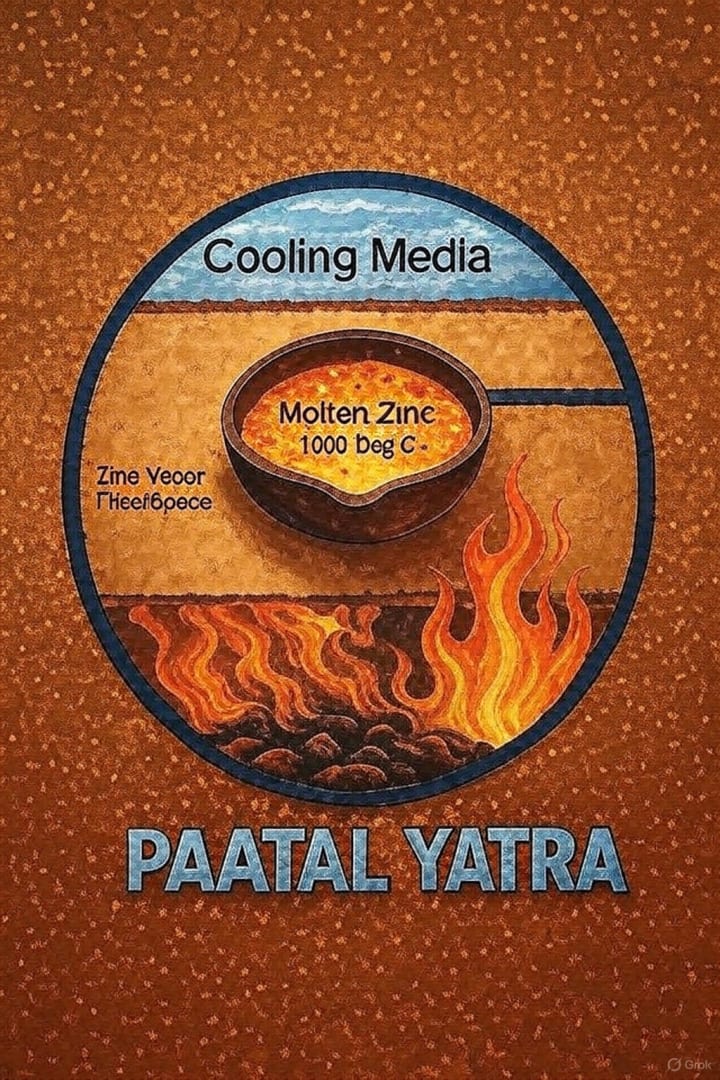
Debunking the Myth Label
Colonial biases often dismissed Hindu achievements as myths, but ancient texts reveal a tradition of observation and experimentation. From astronomy to medicine, Hindu knowledge was scientific. Metallurgy, particularly zinc smelting, emerged by 1000 BCE, outpacing global peers. These techniques also influenced Rasa Shastra, extracting medicinal compounds using sealed retorts and furnaces. This cross-disciplinary approach underscores a legacy of applied science, not myth. Let’s explore the technology behind this process.
Patal Yantra: Ancient Tech Marvel
The patal yantra, a cornerstone of Hindu metallurgy, was a technological marvel. Meaning “underground apparatus,” this sealed, inverted furnace used downward distillation, a method far ahead of its time. By 1000 BCE, it extracted zinc and later mercury for Ayurvedic elixirs. Zinc ore and charcoal were sealed in a clay retort, heated to over 1000°C, and the vapor condensed in a cooled vessel. Excavations at Zawar, Rajasthan, have uncovered these retorts, confirming their historical use.
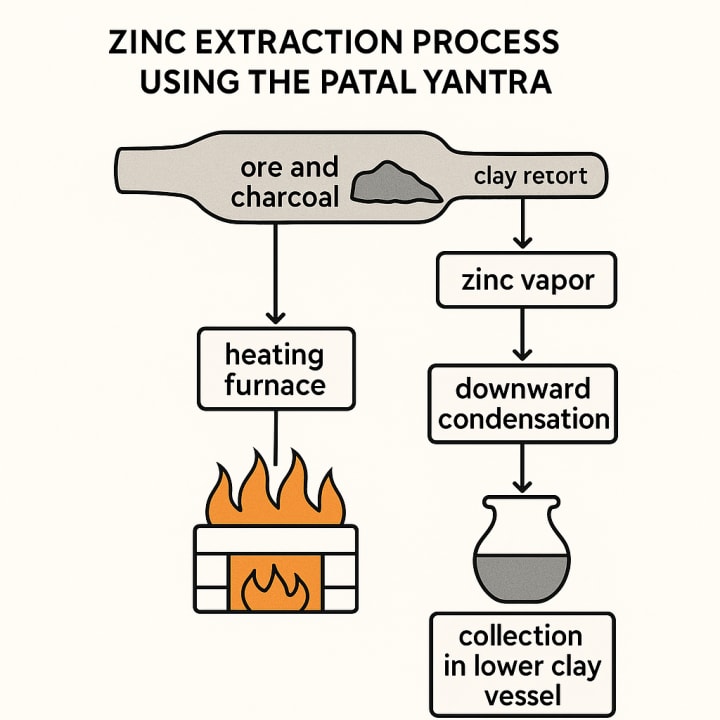
Pull Quote: “Patal yantra isn’t myth—it’s metallurgy, distilled in clay and fire.”
Zinc Smelting: Ahead of Its Time
The patal yantra enabled zinc production on an industrial scale. By 1000 BCE, Zawar’s smelting sites operated with multiple furnaces, producing zinc consistently. Archaeological evidence shows coordinated pits, ash layers, and standardized vessels, indicating organized production and labor specialization. This system, with precise materials and cooling methods, predated modern chemical engineering by centuries.
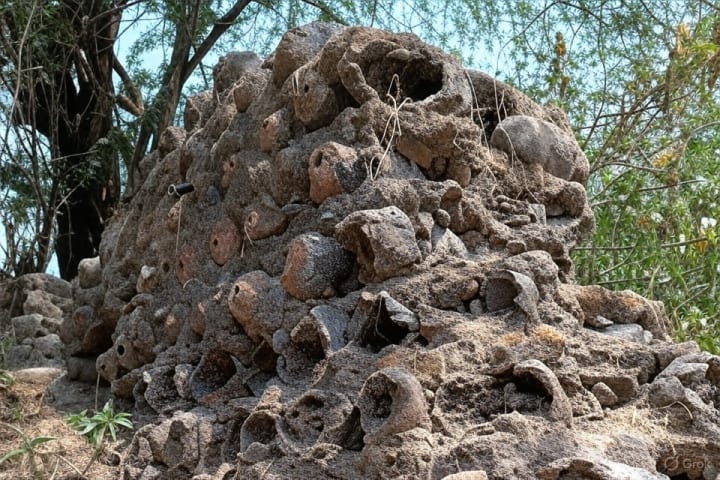
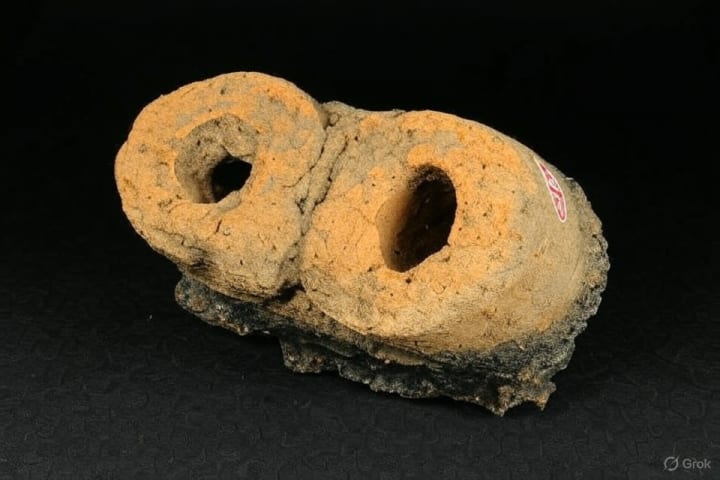
Pull Focus: India didn’t just discover zinc—it mastered its controlled, replicable extraction at scale.
Wootz Steel: Inspiring Modern Blades
By 300 BCE, Hindu metallurgists developed wootz steel, a high-carbon alloy forged in crucibles. Known as Damascus steel, it reached Arabia, Persia, and Rome, its carbon nanotube structure making it stronger than Roman blades. It was a product of centuries of experimentation and documentation.
Iron Pillar: Timeless Engineering
In the 4th century CE, the Iron Pillar of Delhi showcased Hindu metallurgy’s engineering prowess. Rust-free for over 1,600 years, its high phosphorus content and slag cooling defied corrosion, a feat modern science only recently replicated. This 6-ton structure reflects the same empirical approach that mastered zinc centuries earlier.
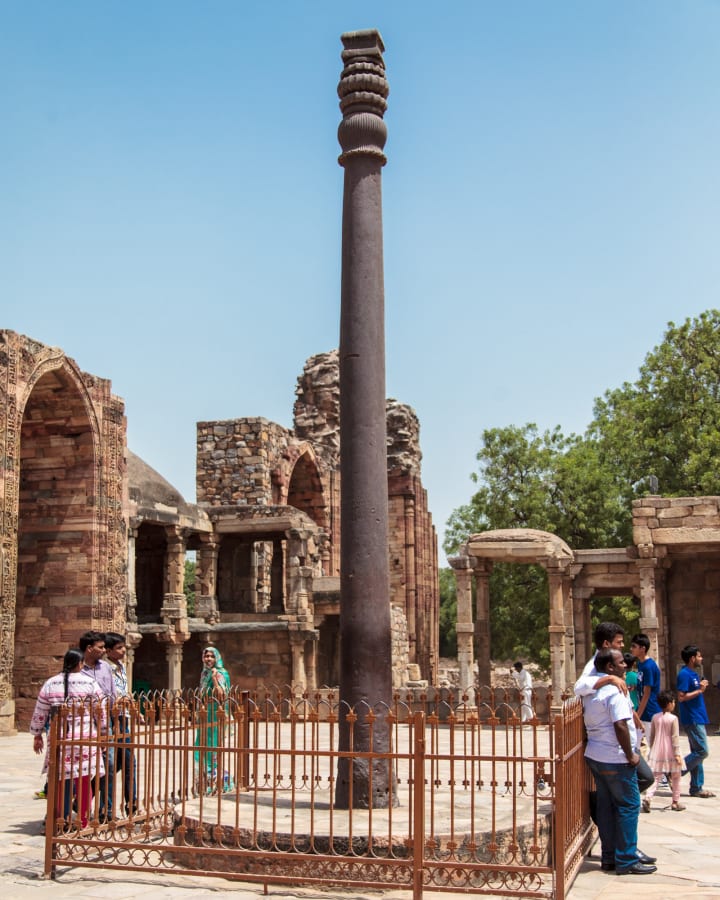
What do you think preserved the Iron Pillar for so long? Comment below.
Colonial Oversight: A Lost Legacy
Colonial rule dismissed Hindu metallurgy as superstition, replacing traditional education with English systems in 1835. Ancient texts were sidelined, but smelting sites, rust-free artifacts, and steel trade prove their reality. Hindu metallurgists preserved their knowledge through oral traditions, resisting erasure.
2025 Relevance: Ancient Meets Modern
Today, Hindu metallurgy informs modern innovation. IIT Kanpur’s research on wootz steel’s nanostructure inspires aerospace and biomedical alloys. Ancient smelting techniques guide sustainable mining. As India reclaims its heritage through initiatives like AYUSH, these achievements shape a future rooted in dharmic balance.
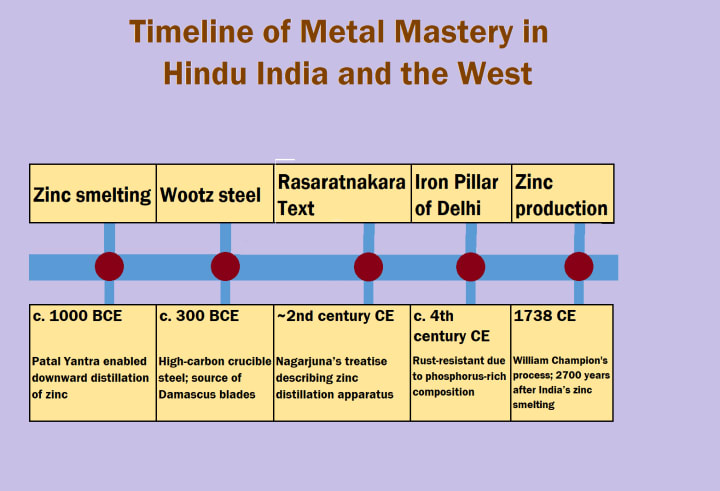
Hindu metallurgy—from zinc distillation in 1000 BCE to nanostructured steel and rust-free iron—demonstrates science, not myth. These were calculated achievements, not fables. Hindu knowledge stands as Real, Not Myth, spanning a wide range of disciplines from cosmic inquiries to surgical precision. Next, we’ll uncover Vedic hydrology’s ecological science.
Pull Quote: “Hindu metallurgy forged facts in fire, not fables in pews.”
Call to Action
How does rediscovering Hindu metallurgy reshape your view of ancient science? Comment below and subscribe to HinduInfoPedia for our next post: Water’s Cleansing Wisdom in Vedic Science.
Originally Published at
https://hinduinfopedia.com/metal-mastery-hindu-zinc-science-not-myth/
Watch Related Hindi Videos here
About the Creator
Jai Kishan
Retired from a career as a corporate executive, I am now dedicated to exploring the impact of Hinduism on everyday life, delving into topics of religion, history, and spirituality through comprehensive coverage on my website.
Keep reading
More stories from Jai Kishan and writers in Education and other communities.
Sushruta’s Enduring Surgical Legacy: A Beacon of Ancient Science
Unveiling Sushruta’s Medical Innovations Around 600 BCE, the Sushruta Samhita emerged as a cornerstone of ancient Indian medicine, showcasing Sushruta’s brilliance through over 300 surgical procedures—ranging from cataracts and rhinoplasty to cesareans—centuries ahead of Europe’s medical advancements. This Hindu Wisdom in Surgery is deeply rooted in Vedic traditions, opening with prayers to Agni, the Fire God, who symbolizes clarity and transformative power. By harnessing the science of yagna, Sushruta bridged the inner and outer worlds, aligning human intent with cosmic harmony. Like countless Hindu sages before him, he transformed meticulous observation into surgical precision, challenging the West’s dismissive ‘mythology’ label with a profound scientific legacy that we’ll explore in this blog.
By Jai Kishan9 months ago in Education
The Energy Pivot The State of Russia’s Oil and Gas in 2026
For decades, this was the "world's gas station": Russia's pipeline network to Europe was the veins of the world economy. By 2026, that aura is dull and those veins are rerouted out of Europe. Since the collapse of the Soviet Union, the Russian oil and gas sector is facing the largest structural change.
By Neeraj kumar2 days ago in Education
What’s the best position to sleep in?
In the 1970s, psychoanalyst Samuel Dunkell proposed a curious, albeit almost completely unsubstantiated, theory that the position you sleep in reflects your personality. For example, preferring to snooze in the so-called royal position indicated self-confidence, while sleeping semi-fetal meant you’re sensible and well adjusted. While Dunkell’s ideas lack any definitive proof, how we sleep can impact our health. So, what’s the best position to sleep in? Sleep positions go by countless creative names—
By Munesh Yadavabout 21 hours ago in Education


Comments (1)
Great story ✍️🏆🖌️I subscribed to you please add me too 🌻🌻🌻🌻