
Mental Health in the Workplace: What Can Be Done
Practical Strategies for Supporting Employee Well-Being and Creating a Healthy Work Environment


In today’s fast-paced and ever-changing work environment, mental health in the workplace has become a critical topic. As employees juggle personal and professional responsibilities, the pressure to meet deadlines, maintain productivity, and navigate workplace dynamics can take a toll on their mental well-being. Yet, despite the growing awareness of mental health issues, many workplaces still lack sufficient strategies to address these challenges effectively.
Mental health problems such as anxiety, depression, and burnout can significantly affect an individual’s performance, relationships with colleagues, and overall job satisfaction. Fortunately, there are numerous ways employers and employees can work together to promote mental well-being in the workplace. In this article, we will explore the importance of mental health in the workplace and discuss practical steps that can be taken to support employees and foster a healthier work environment.
### The Importance of Mental Health in the Workplace
Mental health is an integral aspect of overall well-being, influencing how we think, feel, and behave in our daily lives. When mental health issues arise, they can have far-reaching consequences, both for the individual experiencing the difficulties and the workplace as a whole.
- **Impact on Employee Productivity**: Mental health problems can cause employees to struggle with focus, decision-making, and completing tasks, ultimately affecting productivity. According to the World Health Organization (WHO), depression and anxiety cost the global economy approximately $1 trillion per year in lost productivity.
- **Impact on Employee Engagement**: When mental health is neglected, employees may feel disengaged, less motivated, and disconnected from their work. This lack of engagement can lead to increased absenteeism, lower job satisfaction, and higher turnover rates, which can ultimately affect the company’s bottom line.
- **Impact on Work Relationships**: Mental health issues can also strain relationships with colleagues and managers. Employees struggling with mental health may withdraw from social interactions, exhibit irritability, or find it challenging to communicate effectively, which can contribute to workplace tension and reduce team collaboration.
- **Impact on Long-Term Health**: Chronic stress and untreated mental health problems can lead to serious physical health issues, such as high blood pressure, cardiovascular diseases, and weakened immune systems. These long-term effects further increase the costs of healthcare and absenteeism for employers.
Given these potential consequences, it’s essential to take proactive steps to support mental health in the workplace, not just for the benefit of individual employees but for the overall success of the organization.
### What Can Be Done to Improve Mental Health in the Workplace?
#### 1. **Foster a Supportive Workplace Culture**
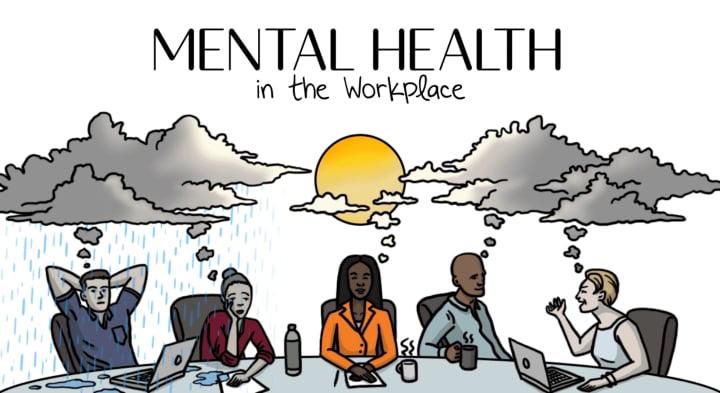
One of the most significant ways to improve mental health in the workplace is by creating a supportive and inclusive environment. Employees should feel comfortable discussing their mental health challenges without fear of judgment or retaliation. This requires a shift in organizational culture towards openness and empathy.
- **Promote Open Communication**: Encourage open dialogue about mental health. This can include organizing awareness campaigns, offering mental health resources, and normalizing discussions about well-being. Managers should be trained to recognize signs of mental health struggles and be proactive in offering support or resources when necessary.
- **Encourage Empathy and Understanding**: Fostering an empathetic environment can make a big difference. When leaders and colleagues are empathetic toward those experiencing mental health challenges, it reduces stigma and allows affected individuals to feel supported.
- **Provide Mental Health Education**: Offer regular training and workshops on mental health topics, including stress management, coping strategies, and the importance of mental well-being. This helps employees recognize the signs of mental health struggles in themselves and others and empowers them to take action.
#### 2. **Implement Mental Health Support Programs**
To address mental health effectively, organizations should establish support programs that provide employees with the necessary resources to manage their mental well-being.
- **Employee Assistance Programs (EAPs)**: EAPs are confidential counseling services provided by many organizations to help employees deal with personal issues, including mental health concerns. These services offer short-term counseling and resources for managing stress, anxiety, depression, and other mental health challenges.
- **On-Site Mental Health Professionals**: For larger organizations, having on-site therapists or counselors can be extremely beneficial. This makes it easier for employees to seek help without the barriers of scheduling or commuting to an external provider. Additionally, some organizations offer virtual counseling services to make support more accessible.
- **Access to Mental Health Resources**: Ensure that employees have access to mental health resources such as apps, books, workshops, and online courses focused on improving mental well-being. Providing these resources can help employees learn about mental health and acquire practical tools for managing stress and building resilience.
#### 3. **Encourage a Healthy Work-Life Balance**
A poor work-life balance is a major contributor to stress and burnout, both of which can negatively affect mental health. Organizations must prioritize work-life balance to ensure that employees do not feel overwhelmed or overburdened.
- **Offer Flexible Working Arrangements**: Flexibility in working hours or the ability to work from home can help employees manage their personal and professional lives more effectively. Flexible work arrangements can reduce stress and improve overall job satisfaction, especially for employees who are juggling caregiving responsibilities or other personal challenges.
- **Encourage Regular Breaks**: Taking short breaks throughout the day can help employees recharge, reduce mental fatigue, and improve focus. Encourage employees to step away from their desks, stretch, or take a walk to refresh their minds.
- **Respect Time Off**: Ensure that employees take time off when they need it and encourage them to disconnect from work during vacation days. Overworking employees can lead to burnout, which can severely affect their mental and physical health.
#### 4. **Promote Physical Health and Wellness**
Physical health and mental health are deeply connected. By promoting physical wellness, employers can help reduce stress, boost mood, and improve overall mental well-being.
- **Encourage Exercise**: Regular physical activity is proven to improve mental health by reducing anxiety, depression, and stress. Offering gym memberships, organizing fitness challenges, or encouraging outdoor activities can help employees incorporate more exercise into their daily routines.
- **Offer Healthy Eating Options**: Providing access to healthy snacks and meals in the workplace can improve energy levels and mental clarity. Encouraging employees to maintain a balanced diet can also positively impact their mood and cognitive function.
- **Create a Relaxing Environment**: Create a workplace environment that supports relaxation and mental clarity. This could include offering quiet spaces for employees to unwind, adding greenery to the office, or incorporating relaxation techniques such as mindfulness or meditation into the workplace.
#### 5. **Train Managers to Recognize Mental Health Issues**
Managers play a crucial role in supporting mental health in the workplace. They are often the first point of contact for employees who may be struggling with mental health issues. Managers should be trained to recognize the signs of mental health problems and understand how to approach sensitive conversations.
- **Train Managers on Mental Health First Aid**: Providing mental health first aid training to managers helps them become equipped to provide initial support to employees who may be struggling with their mental health. This training teaches managers how to recognize warning signs, provide assistance, and connect employees with appropriate resources.
- **Provide Ongoing Support for Managers**: Managers themselves can experience stress and burnout, so it’s important to offer support to them as well. Regular check-ins, training on managing stress, and providing adequate resources can help managers stay mentally healthy and perform their roles effectively.
### Conclusion
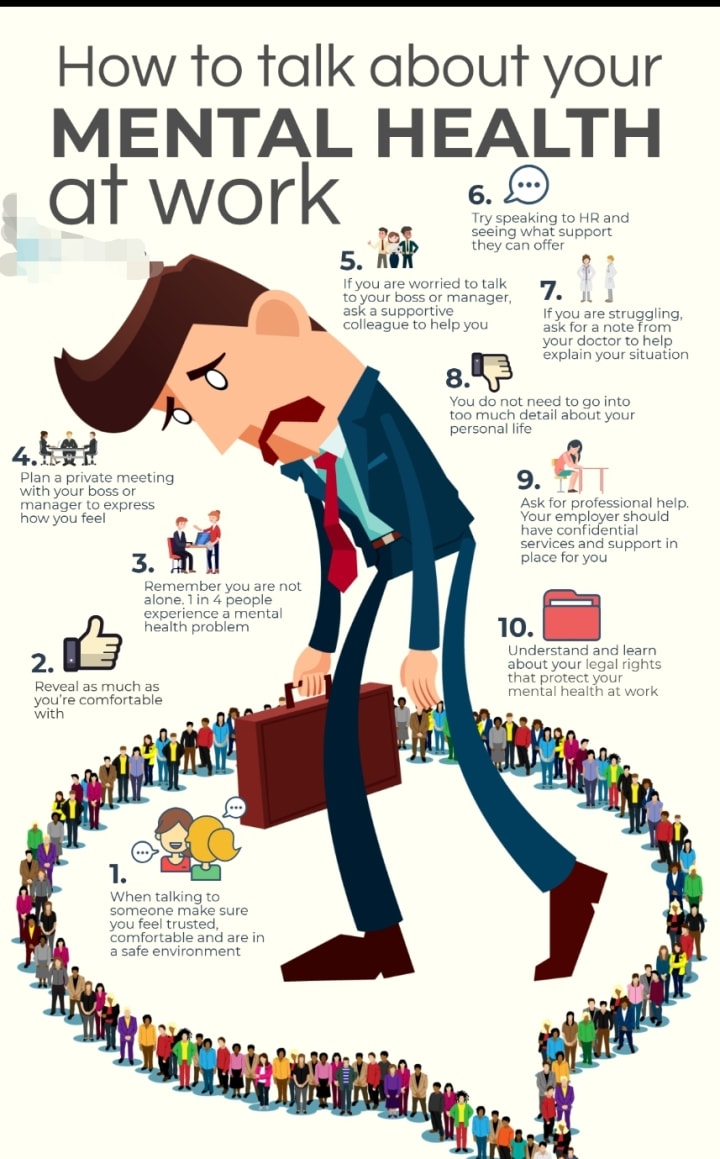
Mental health in the workplace is an issue that cannot be ignored. As employees face increasing pressures to perform, it’s vital for organizations to take active steps to support their mental well-being. By fostering a supportive workplace culture, implementing mental health programs, promoting work-life balance, encouraging physical wellness, and training managers, employers can create an environment that nurtures mental health and helps employees thrive.
Mental health affects not only the individual but also the organization as a whole. A mentally healthy workforce leads to increased productivity, improved employee engagement, and reduced turnover. Ultimately, prioritizing mental health in the workplace is not only the right thing to do but also the smart thing for any organization looking to succeed in the long term.
About the Creator
Nora Ariana
Empowering through stories and sound igniting purpose, sparking growth, and awakening the power within.
Keep reading
More stories from Nora Ariana and writers in Education and other communities.
A goal is a dream with a deadline
A goal is a dream with a deadline. This powerful quote reminds us that without action, dreams remain just that wishes floating in our imagination. But when we set a timeline and commit to achieving them, they evolve into goals, bringing clarity, direction, and purpose. Many people go through life holding on to dreams, hoping they will come true someday. But someday is not a day on the calendar. Dreams without structure often fade with time or get buried under the weight of daily responsibilities. Turning a dream into a goal is what separates those who achieve from those who continue to wish.
By Nora ArianaExclusive • 11 months ago



Comments (1)
Hello, just wanna let you know that if we use AI, then we have to choose the AI-Generated tag before publishing 😊