
Melodies and Masterpieces: Why Music and Art Matter in Primary Education
The Role of Music and Arts in Child Development


In today’s fast-paced, technology-driven world, the importance of creativity in education cannot be overstated. While core subjects like maths, science, and literacy form the foundation of a child’s learning journey, subjects like music and art bring a unique and essential dimension to education.
These creative disciplines help shape well-rounded, confident, and emotionally intelligent individuals, fostering skills that go beyond the classroom.
For children attending primary schools in Hampshire, access to quality music and art education can be a transformative experience. These subjects not only provide a creative outlet but also enhance cognitive development, social skills, and emotional well-being.
In an age where academic performance often takes centre stage, it is crucial to recognise the invaluable role that music and art play in shaping young minds.
The Cognitive Benefits of Music and Art
Research has consistently shown that engaging in music and art from an early age contributes to cognitive development. Learning to play an instrument, for example, strengthens memory, improves concentration, and enhances problem-solving skills. Similarly, engaging in artistic activities like painting, drawing, or sculpting encourages creativity, critical thinking, and spatial awareness.
When children participate in music lessons, their brains undergo complex processing that improves their ability to multitask and retain information. Studies have linked music education to better performance in subjects such as mathematics and reading, as it helps develop pattern recognition and logical thinking.
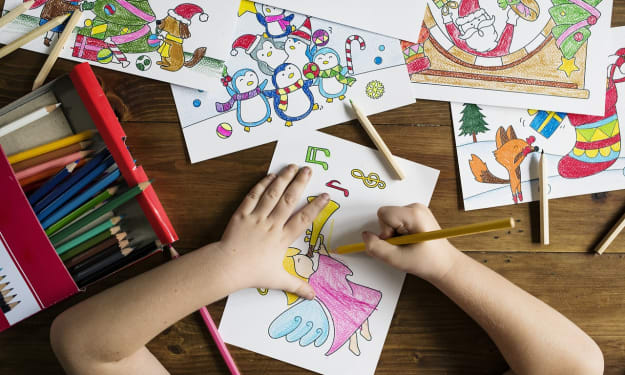
Art, on the other hand, nurtures fine motor skills, hand-eye coordination, and the ability to express thoughts and emotions in a visual form. Creative activities encourage children to think outside the box, allowing them to approach problems with innovative solutions—a skill that is highly valuable in today’s evolving job market.
Building Confidence and Emotional Intelligence
One of the most significant benefits of music and art in primary education is their impact on emotional well-being. These subjects provide a safe space for children to express themselves, helping them build confidence and resilience. Whether it’s performing on stage or creating a personal piece of artwork, these experiences teach children how to overcome self-doubt, embrace their individuality, and take pride in their achievements.
Music, in particular, has a profound effect on emotions. Singing, playing an instrument, or even simply listening to music can regulate mood, reduce anxiety, and promote relaxation. Many schools incorporate music therapy programs to support students dealing with stress, anxiety, or learning difficulties.
Art also serves as a powerful tool for self-expression. Children who may struggle to articulate their feelings verbally often find solace in drawing, painting, or crafting. By engaging in creative activities, they learn to process emotions in a healthy and constructive way, leading to improved emotional intelligence and empathy.
Enhancing Social Skills and Teamwork
Music and art are inherently collaborative disciplines, teaching students the value of teamwork and cooperation. When children participate in a choir, orchestra, or theatre production, they learn to listen to others, synchronize their efforts, and work towards a common goal.
These experiences instil a sense of responsibility and camaraderie, fostering essential social skills that will benefit them throughout their lives.
Similarly, group art projects encourage students to share ideas, respect different perspectives, and collaborate to bring a vision to life. Working on a mural, sculpture, or classroom display teaches children the importance of patience, compromise, and collective effort—valuable skills that extend beyond artistic endeavours.
Fostering a Lifelong Love for Creativity
Introducing children to music and art at an early age lays the foundation for a lifelong appreciation of creativity. Many adults who pursue careers in music, design, film, or other creative industries credit their early exposure to the arts as a driving force behind their passion.
Even for those who do not choose artistic professions, a love for music and art enriches life in countless ways, from enjoying concerts and museums to engaging in creative hobbies.
By prioritising creative subjects, schools not only equip students with essential academic and social skills but also nurture a well-rounded perspective that extends into adulthood. The best educational institutions understand that fostering creativity is just as important as preparing students for exams.
The Future of Arts Education in Primary Schools
Despite the undeniable benefits of music and art education, these subjects often face challenges such as funding cuts and reduced classroom time. However, many of the best primary schools in Hampshire continue to advocate for a balanced curriculum that values creative expression.
Schools that integrate music and art into their educational approach recognise the long-term advantages of fostering creativity in young learners.
Parents and educators alike can support arts education by advocating for more creative programs, encouraging children to participate in extracurricular activities, and providing opportunities for artistic expression at home. Whether through music lessons, painting classes, or simply encouraging children to explore their creativity, small efforts can make a significant impact.
Conclusion
Music and art are not just supplementary subjects—they are essential components of a well-rounded education. These disciplines enhance cognitive skills, build confidence, foster teamwork, and provide an outlet for self-expression. For children in primary schools, exposure to creative subjects can shape their academic success, emotional well-being, and social development.
By recognising the value of music and art in education, schools and parents can work together to ensure that creativity remains a fundamental part of the learning experience. When children are given the freedom to explore their artistic abilities, they grow into innovative thinkers, confident individuals, and compassionate members of society.
Read More :- Not Just Academics: How Prep Schools Are Tailoring Education for Passion and Talent
About the Creator
William Henry
At Best Independent Schools UK, we are here to make your journey smoother by providing detailed information about some of the best nurseries and preparatory schools in England
Keep reading
More stories from William Henry and writers in Education and other communities.
The Magic of Play: How Unstructured Play Shapes Early Childhood Development
Play is one of the most powerful tools for learning in early childhood. While structured activities and lessons have their place, unstructured play allows children to explore their environment, develop creativity, and build essential life skills. From running freely in a playground to imaginative role-playing with friends, unstructured play fosters cognitive, social, and emotional growth in ways that structured learning alone cannot.
By William Henryabout a year ago in Education
Why the Sun Doesn’t Burn Like Fire: How Nuclear Fusion Makes the Sun Shine
Introduction: A Question That Changes Everything As children, many of us imagine the Sun as a giant ball of fire blazing in the sky. It looks like fire. It gives off heat like fire. It even glows like fire.
By shahkar jalal2 days ago in Education
How Artificial Intelligence Is Transforming Modern Industries
Artificial Intelligence (AI) is no longer a concept limited to science fiction or research laboratories. Today, AI technologies are deeply integrated into everyday life and are transforming how businesses operate, how services are delivered, and how people interact with technology. From healthcare and finance to marketing and transportation, AI is shaping the modern world in ways that were unimaginable just a decade ago.
By Rene Van Acker6 days ago in Education


Comments
There are no comments for this story
Be the first to respond and start the conversation.