
The Magic of Play: How Unstructured Play Shapes Early Childhood Development
Exploring the benefits of unstructured playtime in preschoolers and how it fosters creativity, problem-solving, and social skills.

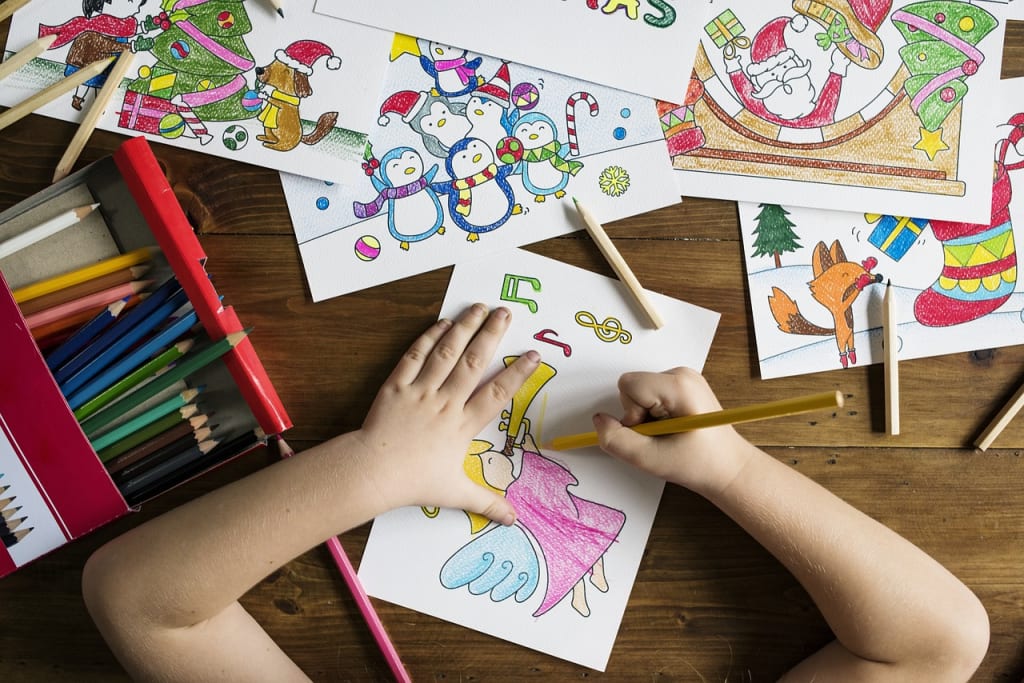
Play is one of the most powerful tools for learning in early childhood. While structured activities and lessons have their place, unstructured play allows children to explore their environment, develop creativity, and build essential life skills. From running freely in a playground to imaginative role-playing with friends, unstructured play fosters cognitive, social, and emotional growth in ways that structured learning alone cannot.
For parents searching for the right Nursery near Wembley Stadium, choosing an environment that values free play alongside formal learning can make a significant difference in a child’s overall development. Encouraging unstructured play at home and in early learning settings helps children thrive in ways that extend beyond academics.
What is Unstructured Play?
Unstructured play, also known as free play, is any activity that children engage in without a set agenda or specific learning objective. Unlike structured play, which includes guided activities like puzzles, sports, or teacher-led lessons, unstructured play is driven by the child’s own imagination and interests.
Examples of unstructured play include:
Building towers with blocks and knocking them down
Playing pretend games, like being a superhero or a doctor
Exploring nature, collecting leaves, or digging in the sand
Drawing, painting, or crafting without specific instructions
The absence of rigid rules allows children to think independently, make their own decisions, and develop a sense of confidence in their abilities.
Cognitive Benefits of Unstructured Play
Unstructured play has a profound impact on cognitive development. It encourages problem-solving skills, critical thinking, and creativity. When a child builds a fort using cushions or constructs a castle out of sand, they are developing spatial awareness, engineering concepts, and perseverance.
Through free play, children also practice executive function skills—such as working memory, flexible thinking, and self-control—which are crucial for academic success later in life. They learn to adapt to new situations, plan ahead, and experiment with cause-and-effect relationships in a hands-on way.
Social and Emotional Growth Through Play
Play is a child’s first experience in understanding social interactions. Unstructured play with peers helps children learn important social skills such as cooperation, negotiation, and conflict resolution. When children engage in group activities like pretend play or running games, they practice taking turns, sharing, and expressing their thoughts in a group setting.
Emotionally, unstructured play allows children to process their feelings and build resilience. Through role-playing and storytelling, they can explore emotions like joy, frustration, and fear in a safe environment. A child who pretends to be a teacher, for example, might be working through their experiences in the classroom, while another who builds and knocks down towers may be learning about persistence and patience.
Physical Development and the Role of Active Play
Active, unstructured play is essential for physical development. Running, jumping, climbing, and balancing help improve motor skills, coordination, and overall health. Outdoor play, in particular, provides opportunities for children to strengthen their muscles, develop balance, and improve cardiovascular health.
For nurseries and early education centers like Wembley Park Montessori, incorporating unstructured playtime into the daily routine ensures that children stay active while also learning through movement. Whether it’s a game of tag, playing with hula hoops, or exploring a sensory garden, movement-based play is key to developing strength and agility.
Encouraging Unstructured Play at Home and in Early Education
Parents and educators can support unstructured play by providing open-ended materials such as building blocks, dress-up clothes, art supplies, and outdoor play equipment. Creating safe spaces where children can freely explore and interact with different textures, sounds, and activities helps stimulate their natural curiosity.
Limiting screen time and allowing children the freedom to create their own fun—whether it’s turning a cardboard box into a spaceship or making up their own stories—promotes independent thinking and problem-solving.
Conclusion
Unstructured play is not just a way to pass the time; it is an essential part of early childhood development. It helps children build cognitive, social, emotional, and physical skills that lay the foundation for future learning and success.
Parents looking for a well-rounded early education experience should seek nurseries that incorporate free play alongside structured activities, ensuring children receive a balanced approach to learning.
Whether at home, in a Nursery near Wembley Stadium, or in a supportive early learning environment like Wembley Park Montessori, unstructured play gives children the opportunity to explore the world, develop creativity, and grow into confident individuals. By embracing the magic of play, we can help children reach their full potential while having fun along the way.
Read More :- How Montessori Nursery Schools Encourage Independence and Confidence in Young Children
About the Creator
William Henry
At Best Independent Schools UK, we are here to make your journey smoother by providing detailed information about some of the best nurseries and preparatory schools in England
Keep reading
More stories from William Henry and writers in Education and other communities.
School Term Dates and Student Performance: Do Longer Breaks Help or Hurt?
The structure of the school year has been a topic of debate for decades, with parents, educators, and policymakers weighing the benefits and drawbacks of different academic calendars.
By William Henryabout a year ago in Education
The Power of Donating to Charity and Giving Back to Community
Charity has long been an important part of human society. Throughout history, people have understood that helping others creates stronger, more compassionate communities. Donating to charity and giving back to the community is more than simply providing financial support. It is an expression of empathy, responsibility, and shared humanity. When individuals contribute their time, resources, or skills to support others, they help build a culture where kindness and cooperation thrive.
By Jason Pruetabout 3 hours ago in Education
Unlocking Value: A Strategic Guide to Opportunities in the Foreclosure Market
The foreclosure market develops when property owners fail to meet mortgage obligations, and lenders initiate legal processes to recover unpaid loans. As a result, these properties often return to the market under different conditions than traditional listings. Moreover, lenders typically aim to sell quickly to minimize losses, creating pricing advantages for informed buyers. Because of this structure, foreclosure properties may present opportunities for investors who approach them with preparation and discipline.
By Michael O'Sullivan Hamptonabout 2 hours ago in Education
Why Didn't Anyone Tell Us
Men, move along. This is not for you. This is for the women. I was forty-five when I began menopause. It is pretty young for that to be going on in a woman’s life, but I had undiagnosed PCOS, my entire life. Thank you to all the gynecologists I had seen my entire life. That in itself should encourage women to keep seeking second opinions, especially when you are not getting correct answers or any at all.
By Alexandra Grant5 days ago in Humans


Comments
There are no comments for this story
Be the first to respond and start the conversation.