
Maximizing Muscle Growth with Whey Protein Guidelines
Understanding Whey Protein and Its Role in Muscle Building
Are you using too much whey protein to build muscle? Or are you actually hurting your fitness goals? Finding the right balance of protein is key for athletes and fitness fans who want the best results.
Whey protein is a big part of building muscle. Your body needs the right amount of protein to grow muscles, recover, and get stronger. But many athletes find it hard to know how much protein they should eat.
This guide will explain the science of whey protein and muscle building. You’ll learn how to get enough protein without overloading your body. Whether you’re a pro bodybuilder or just starting out, knowing about protein can change how you build muscle.
Key Takeaways
Optimal whey protein intake varies by individual body composition
Excessive protein consumption can hinder muscle growth
Quality matters more than quantity in protein supplementation
The timing of protein intake impacts muscle protein synthesis
Balanced nutrition is critical for effective muscle building
Understanding Whey Protein and Its Role in Muscle Building
Whey protein is a top choice for athletes and fitness lovers aiming for muscle growth. It comes from milk during cheese making. This protein is packed with nutrients that help you reach your fitness goals.
There are many types of whey protein supplements. Each has its own benefits for building muscle. Let’s look at the main types and what makes them special:
Types of Whey Protein Supplements
Whey Protein Concentrate: Has 70-80% protein, less fat, and lactose
Whey Protein Isolate: 90% protein, very little fat, and lactose
Whey Protein Hydrolysate: Pre-digested for quick absorption
Benefits of Whey for Muscle Growth
Whey protein gives your muscles the amino acids they need for growth. Your muscles must quickly absorb protein to start growing and recovering.
Protein Type Protein Percentage Absorption Rate
Concentrate 70-80% Moderate
Isolate 90% Fast
Hydrolysate 90-95% Fastest
Protein Quality and Bioavailability
Not all proteins are the same. Whey protein is highly bioavailable, meaning your body can easily use it. The quality of protein depends on its amino acid content and how fast it can repair and grow muscles.
Knowing these details helps you pick the right whey protein for your fitness goals.
Factors That Determine Your Optimal Whey Protein Intake
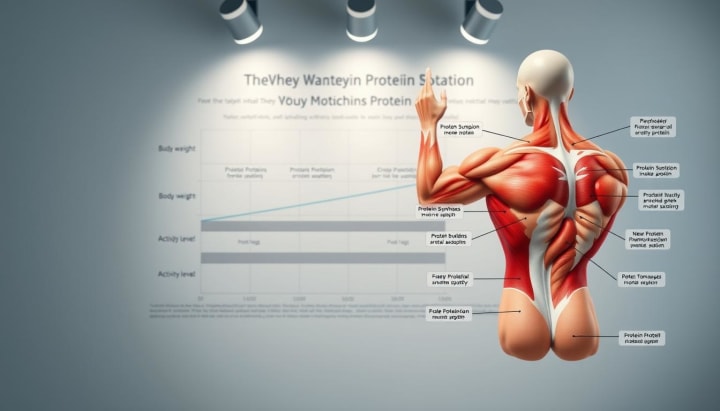
Whey Protein Intake Factors
Finding the right amount of whey protein isn’t the same for everyone. Your body’s needs for protein depend on several important factors. These factors help tailor your nutrition to fit you best.
Your body’s shape and size are key in figuring out how much protein you need. Your weight, muscle mass, and fitness goals all play a part. They tell you how much whey protein is right for you.
Body weight and muscle mass
Activity level and exercise intensity
Training goals (muscle gain, fat loss, maintenance)
Age and metabolic rate
Everyone has different fitness goals, which means different protein needs. An athlete will need more protein than someone who just works out for fun.
Fitness Level Protein Intake (g/kg body weight) Daily Whey Protein Recommendation
Sedentary Individual 0.8 20-30g
Moderate Exerciser 1.2-1.6 30-40g
Intense Bodybuilder 1.6-2.2 40-60g
What you eat and how much protein you already get also matter. Talking to a nutritionist can help figure out exactly what you need.
How Much Whey Protein Is Too Much If You’re Wanting To Build Muscle?
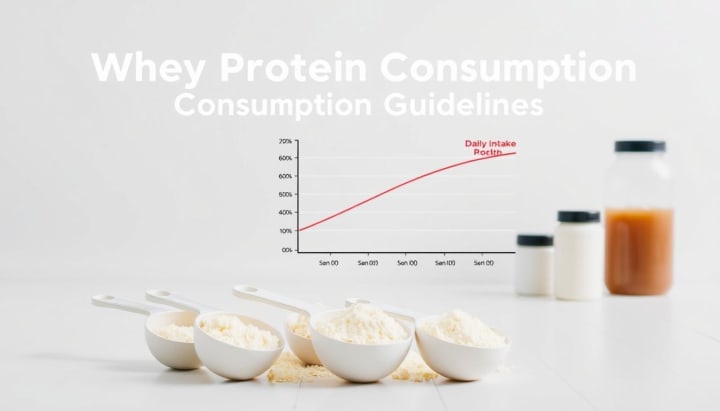
Whey Protein Consumption Guidelines
Knowing how much whey protein to take is key to muscle growth. Protein is vital for building muscles, but too much can harm your health. It’s important to find the right amount to get the best results without side effects.
It’s important to know when you’re taking too much whey protein. Your body will show signs if you’re overdoing it:
Persistent digestive discomfort
Unexplained weight gain
Kidney stress symptoms
Increased risk of dehydration
Maximum Safe Daily Intake Guidelines
Experts say to limit whey protein to avoid health problems. The safe amount is 1.6 to 2.2 grams of protein per kilogram of body weight for muscle gain. Taking more than this can cause side effects that ruin your fitness goals.
Individual Tolerance Levels
Your body’s protein tolerance depends on several things:
Body weight and composition
Workout intensity
Overall metabolic health
Age and muscle-building objectives
Pro tip: Talk to a nutritionist or fitness expert to figure out your exact protein needs. This way, you can avoid problems from too much protein.
Calculating Your Personal Protein Requirements
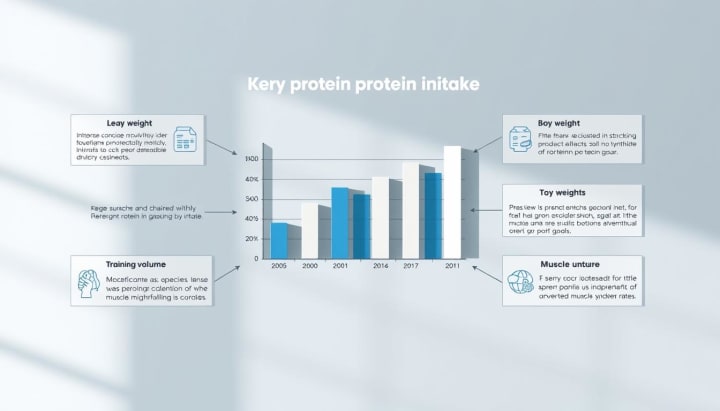
Protein Intake Calculation for Muscle Growth
Finding the right amount of protein for muscle growth is all about you. It depends on your weight, how active you are, and what you want to achieve. Knowing these helps you figure out how much whey protein you need.
To find out how much protein you need, consider these steps:
Body Weight Calculation: Multiply your weight in pounds by 0.8-1.2 grams of protein per pound
Activity Level Adjustment: Increase protein intake for high-intensity training
Fitness Goal Alignment: Adjust intake based on muscle-building or maintenance objectives
Your protein intake should be in this range:
Fitness Level Protein Intake (grams/lb) Daily Protein Range
Sedentary Individual 0.8 80-100g
Moderate Exercise 1.0 100-150g
Intense Muscle Building 1.2-1.6 150-200g
If you’re an athlete or serious about building muscle, you might need more protein. Whey protein guidelines suggest eating protein throughout the day for the best muscle growth. For advice that fits your body and workout, talk to a nutritionist or fitness expert.
Timing Your Whey Protein Intake for Maximum Results

Muscle-building nutrition is all about when you eat protein. Knowing the best time to take whey protein can really help your muscles grow and recover. It’s all about timing to get the most out of your body.
Your goals for building muscle aren’t just about how much protein you eat. It’s also about when you eat it. Athletes and fitness fans have been trying to figure out the best times for years.
Pre-Workout Protein Consumption
Eating whey protein before you work out has many benefits:
It gets your muscles ready with the amino acids they need
It helps keep your muscles from breaking down during exercise
It boosts how much protein your body makes
Post-Workout Window Optimization
The time right after your workout is key for whey protein. Studies show that eating protein within 30 minutes can help your muscles recover faster.
Timing Protein Amount Benefits
Immediately Post-Workout 20-25g Rapid muscle recovery
30-60 Minutes Post-Workout 15-20g Continued muscle protein synthesis
Between-Meal Supplementation
Spreading out your whey protein intake can keep your muscles building all day. Try to eat protein every 3-4 hours to keep your muscles working.
While timing is important, how much protein you eat each day is even more crucial for muscle growth. Staying consistent and eating well is what will help you reach your fitness goals.
Potential Side Effects of Excessive Whey Protein
It’s important to know the side effects of too much whey protein. This is key to keeping your health and fitness goals on track. Whey protein is great for building muscle, but too much can cause health problems.
Too much whey protein can upset your stomach. You might feel bloated, have gas, stomach cramps, or nausea. It can also make it harder for your body to absorb nutrients.
Your kidneys might work harder with too much whey protein. This can be a problem, especially if you already have kidney issues. If you have kidney problems, talk to a doctor before taking more protein.
Too much whey protein can also mess with your metabolism. You might face issues like:
Electrolyte imbalances
Potential weight gain
Increased risk of dehydration
Potential hormonal disruptions
Moderation is key when incorporating whey protein into your diet. Always aim for a balanced diet and listen to your body. Talking to a nutritionist can help you find the right amount of protein for your health and fitness goals.
Combining Whey Protein with Whole Food Sources
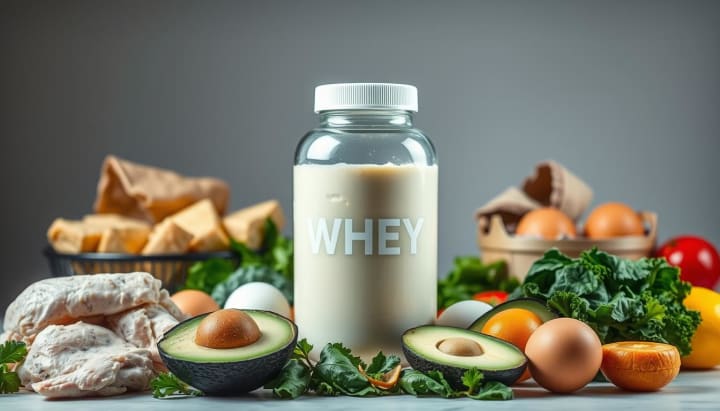
Muscle-building nutrition is more than just protein supplements. It’s about mixing whey protein with whole foods for better muscle growth and health.
Your diet should start with nutrient-rich whole foods. Whey protein is a helpful supplement, but it can’t replace the nutrients in natural foods.
Strategic Protein Source Combination
Lean proteins like chicken, fish, and eggs
Complex carbohydrates from whole grains
Nutrient-rich vegetables and fruits
Healthy fats from nuts, seeds, and avocados
The food-first approach means getting protein from different sources. Whole foods give you essential nutrients that whey protein can’t.
Nutrient Synergy Approach
Food Group Protein Content Additional Benefits
Salmon 22g per 3oz Omega-3 fatty acids
Quinoa 8g per cup Complete protein, fiber
Greek Yogurt 15g per serving Probiotics, calcium
“Nutrition is not about perfection, but about balance and making informed choices.” – Sports Nutrition Expert
By mixing whey protein with whole foods, you get a complete muscle-building plan. It helps with muscle growth, recovery, and health.
Common Mistakes in Whey Protein Supplementation

Using whey protein supplements can be tricky. Many fitness fans make big mistakes that hurt their muscle growth. Knowing these common errors can help you improve your nutrition and get better results.
Most people fall into several key traps when using whey protein supplements:
Overdosing on protein without considering individual needs
Neglecting whole food protein sources
Ignoring personal digestive tolerances
Misunderstanding optimal protein timing
Your whey protein guidelines should focus on quality, not just quantity. Not all protein is created equal. Many athletes think more protein means more muscle. But this can lead to too much supplement use and stomach problems.
Key mistakes to avoid in your protein intake for muscle growth include:
Relying only on whey protein without balanced nutrition
Consuming protein without enough water
Skipping ways to improve protein absorption
Purchasing low-quality supplements
Professional athletes say to track your own protein needs. Your body’s needs change based on weight, activity, and goals. Blindly following generic advice can harm your muscle-building plans.
“Quality protein supplementation is an art, not just a numbers game.” – Sports Nutrition Expert
Smart supplementation means knowing your body’s unique needs. By avoiding these common errors, you can use whey protein well to grow muscle and improve fitness.
Maximizing Protein Absorption and Utilization

To boost your muscle building, you need more than just whey protein. How well your body absorbs protein is key to muscle growth and recovery. It’s important to know how your body processes and absorbs nutrients.
Digestive Enzyme Optimization
Boosting protein absorption begins with a healthy digestive system. Here are some tips:
Choose whey protein with digestive enzymes
Take probiotics for better gut health
Eat protein all day long
Pair protein with foods that boost enzyme production
Hydration and Protein Utilization
Drinking enough water is vital for better protein absorption. Water breaks down protein and helps move nutrients around your body. Make sure to drink:
8-10 glasses of water a day
More fluids before and after workouts
Electrolyte drinks for hard workouts
Your nutrition plan should focus on both protein quality and how well your body absorbs it. Using these methods will help your body use protein more efficiently.
Conclusion
Getting the most out of whey protein for muscle building is all about personalizing your approach. It’s about knowing what your body needs, how fast you metabolize, and how much protein you can handle. It’s not about eating a lot, but about using whey protein wisely in your diet.
Your success in building muscle depends on finding the right balance. Eating whole foods and using whey protein supplements is key. Listen to your body and track how your muscles grow, recover, and perform. Experts say to keep track of your protein intake to make sure you’re getting enough without overdoing it.
Whey protein is a great tool, but it’s not a quick fix. Use it with regular workouts, enough rest, and healthy meals. Pay attention to your body and adjust your plan as needed. Focus on quality over quantity in your nutrition for muscle building.
Being smart and careful with supplements can really help you reach your muscle-building goals. With the right planning and a balanced diet, whey protein can be a big help in your fitness journey.
About the Creator
Keep reading
More stories from Charles Betts and writers in Education and other communities.
The infamous jo jo thought experiment
Jo the First is a ruthless dictator who rules his country with an iron fist. Whenever he wants something, everyone hurries to appease him. And since complainers are permanently banished, Jo’s terrified servants treat his every whim as a wise and noble decision. To most onlookers, his rule appears cruel and unjust. But his beloved son JoJo doesn’t see any issues. This life is all JoJo's ever known, and he never witnesses any fear from Jo’s subjects or violence against them. All JoJo sees is his father’s strength, and his subjects’ obedience and praise.
By Munesh Yadavabout 15 hours ago in Education
The One Lighting Move That Instantly Makes Your Photos Look Better
Photography advice often focuses on complex settings, advanced editing, or buying better equipment. While those things can help, they often distract from something far more powerful and immediate. One simple lighting habit can dramatically improve almost every photo you take, whether you’re shooting with a phone or a professional camera.
By Kelln Small5 days ago in Education




Comments
There are no comments for this story
Be the first to respond and start the conversation.