
Greek Yogurt vs Regular Yogurt: Key Differences Explained
Understanding Traditional Yogurt: A Basic Overview

Ever wondered why Greek yogurt costs more and is everywhere in health-focused kitchens? The yogurt world is complex. Greek yogurt is a special innovation that changes traditional dairy.
Yogurt has been around for thousands of years. When you compare Greek yogurt to regular yogurt, you see a world of texture, nutrition, and cooking uses. These differences make each type unique.
Knowing what yogurt is helps us understand its many forms. Greek yogurt isn’t just a health trend. It’s made by straining regular yogurt, making it thicker and more protein-rich.
Key Takeaways
Greek yogurt is a more concentrated version of traditional yogurt
The straining process significantly impacts nutritional content
Texture and protein levels differ between Greek and regular yogurt
Both varieties offer unique culinary and health benefits
Choosing between them depends on personal dietary goals
Understanding Traditional Yogurt: A Basic Overview
Yogurt is made by adding live bacteria to milk. It has been loved for thousands of years. It’s full of nutrients and has unique tastes that people all over the world enjoy.
The Fermentation Process
The magic of yogurt starts with a simple yet complex change. It gets its special taste and texture from a bacterial fermentation process. This process turns milk’s sugars into lactic acid, making yogurt tangy and thick.
Milk is heated to destroy unwanted bacteria
Specific bacterial cultures are introduced
The mixture is kept at a consistent warm temperature
Bacteria multiply and ferment the milk
Key Bacterial Cultures in Yogurt Making
Lactobacillus bulgaricus and Streptococcus thermophilus are key in yogurt making. These bacteria work together to turn milk into the creamy, nutritious food we love.
Traditional Yogurt Varieties
Yogurt styles vary around the world. From thick Greek yogurt to thin Indian lassi, each type shows local tastes and traditions.
Greek Yogurt – Strained for extra thickness
Icelandic Skyr – High protein, very dense
Bulgarian Yogurt – Traditional, tangy flavor
Middle Eastern Labneh – Yogurt cheese
What Makes Greek Yogurt Different from Regular Yogurt

Exploring Greek yogurt vs. yogurt shows they’re not the same. The main difference is how they’re made. Greek yogurt undergoes a special process that makes it creamy.
Looking at strained yogurt vs regular yogurt, you see big differences. Greek yogurt is strained more, making it thick and rich. This process changes its texture and what it offers nutritionally.
Texture: Greek yogurt is dramatically denser and creamier
Protein content: Up to twice as much protein compared to regular yogurt
Water content: Significantly reduced through the straining process
The straining method makes Greek yogurt’s nutrients more concentrated. It’s not just tastier but also healthier. Chefs and health fans love it for its strong flavor and health benefits.
“Greek yogurt transforms ordinary dishes into extraordinary culinary experiences” – Culinary Institute of America
Choosing between Greek and regular yogurt depends on what you need and like. Each has its own benefits for different diets and cooking.
The Straining Process: How Greek Yogurt Gets Its Texture

Greek yogurt is special because of its unique straining process. This process makes it creamy, which many people love. Knowing how strained yogurt is different from regular yogurt helps us understand its magic.
The change from regular yogurt to Greek yogurt is all about straining. This method gets rid of extra liquid (whey). It makes the yogurt thick and creamy.
Traditional Straining Methods
Yogurt makers used simple ways to strain their yogurt long ago:
Cloth bags hung to drain excess liquid
Cheesecloth-lined colanders
Gravity-based separation techniques
Modern Manufacturing Techniques
Now, Greek yogurt is made with advanced methods:
Centrifugal separation
Industrial filtration systems
Continuous flow processing
Impact on Final Product
The straining process changes the yogurt a lot. It makes the yogurt creamy and thick. It also makes it more protein-rich than regular yogurt. This makes the yogurt taste better and feel more luxurious.
The art of straining transforms an ordinary dairy product into a culinary delight!
Protein Content and Nutritional Comparison
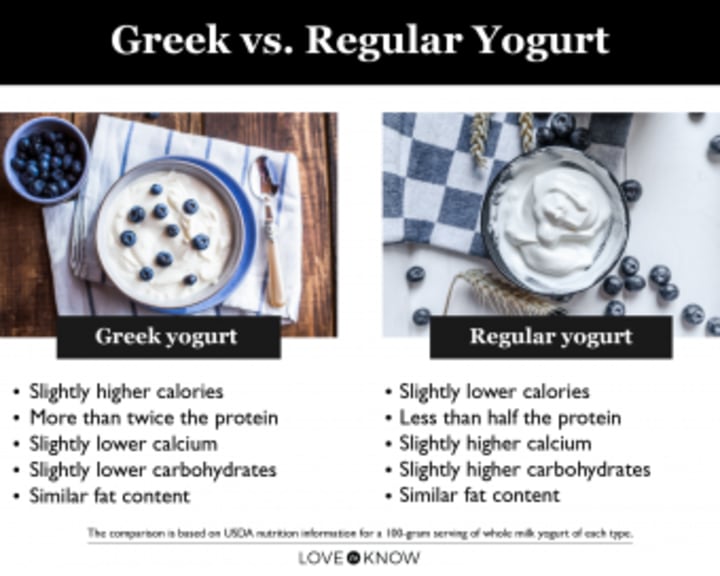
Greek yogurt is a nutritional powerhouse. Its unique straining process makes it a top choice for health lovers.
Comparing yogurt types shows Greek yogurt has almost double the protein of regular yogurt. It’s a great pick for those looking for high-protein foods.
Yogurt Type Protein (per 6 oz) Calories Calcium
Greek Yogurt (Non-Fat) 18g 100 20%
Regular Yogurt (Non-Fat) 9g 110 15%
Greek yogurt offers more than just protein. Its nutrient-rich profile has many benefits:
Higher protein content supports muscle development
Lower carbohydrate levels
Increased probiotics for digestive health
More concentrated calcium source
Greek yogurt is a great choice for those watching their diet. It’s packed with nutrients and can help you feel full longer. This might help with weight management.
Nutrition experts recommend Greek yogurt as an excellent protein source for athletes, vegetarians, and health-conscious consumers.
Whether you’re an athlete, dieter, or just looking for a healthy snack, knowing about Greek yogurt’s protein and nutrients is key. It helps you make better food choices.
Greek Yogurt vs. Traditional Yogurt: What Are the Differences?

Exploring the unique traits of Greek yogurt versus regular yogurt can change how you cook. Knowing these differences helps you pick the right yogurt for your diet and taste.
Texture and Consistency
Greek yogurt is creamier than regular yogurt. It’s made by straining out extra liquid, leaving a thick, smooth texture. Regular yogurt is thinner and more watery.
Greek yogurt: Dense and creamy
Regular yogurt: Lighter and more fluid
The straining process creates a significant textural difference
Taste Profile Differences
Greek yogurt tastes tangier and more intense than regular yogurt. Its thick nature gives it a stronger flavor. This makes it perfect for Greek yogurt recipes.
Culinary Applications
Knowing about these yogurt types can help in cooking. Greek yogurt’s thick texture is great for:
Dips and spreads
Baking substitutions
Marinades and sauces
Protein-packed smoothies
Regular yogurt is better for lighter dishes. But Greek yogurt is a solid base for many recipes.
Health Benefits of Choosing Greek Yogurt

Greek yogurt is a nutritional powerhouse with amazing health benefits. It’s a top choice for those looking for a food rich in nutrients.
Its health benefits go beyond regular dairy products. Greek yogurt has a unique nutritional profile that offers several key advantages:
High protein content supporting muscle development
Powerful probiotic cultures enhancing digestive health
Rich source of essential vitamins and minerals
Lower lactose content compared to traditional yogurt
Is Greek yogurt better than regular yogurt? Nutritionists often say yes. It has more nutrients and wellness benefits. The straining process makes it thicker and more protein-rich.
Nutrient Greek Yogurt Quantity Regular Yogurt Quantity
Protein 15-20g per serving 5-10g per serving
Calcium 15-20% Daily Value 10-15% Daily Value
Probiotics Higher concentration
Adding Greek yogurt to your diet can help with weight management and improve gut health. It also gives you sustained energy all day.
Caloric Content and Weight Management Considerations

Yogurt is a key part of many diets for those trying to lose weight. Knowing how yogurt fits into your meals can help you reach your weight goals.
When thinking about yogurt for weight loss, several important points need to be considered. Greek yogurt is often higher in protein than regular yogurt. This can make you feel full for longer.
Impact on Weight Loss Goals
Can you eat yogurt every day? Yes, you can! Adding yogurt to your daily meals can help with weight loss in several ways:
It gives you important nutrients with fewer calories
It helps control hunger and lower calorie intake
It boosts metabolism with its protein
It offers probiotics for better digestion
Portion Size Recommendations
To get the most from yogurt for weight loss, follow these portion tips:
Opt for low-fat or non-fat types
Go for 6-8 ounces per serving
Be careful of added sugars in flavored yogurts
Pair it with fresh fruits or nuts for a balanced meal
Pro tip: Greek yogurt has more protein and less sugar. It’s a great choice for managing your weight.
Choosing Between Regular and Greek Yogurt for Your Diet

Choosing the right yogurt can change your nutrition game. When you ask, “Is yogurt good for you?”, it depends on your dietary needs and likes. Both regular and Greek yogurt have benefits that can help your health.
Here are key points to consider in your yogurt choice:
Protein Content: Greek yogurt has almost double the protein of regular yogurt. It’s great for building muscle and feeling full.
Calorie Density: Regular yogurt has fewer calories. This might help if you’re watching your weight.
Digestibility: Some people find Greek yogurt easier to digest because it has less lactose.
Is Greek yogurt better? It depends on your needs. Athletes or those wanting more protein might choose Greek yogurt. But, if you’re watching calories, regular yogurt might be better.
Here are some tips to help you choose:
Check how much protein you need each day.
Think about your calorie and fat intake goals.
Consider any lactose sensitivities.
Try both to see which you like better.
Both yogurt types can be good for a healthy diet. Your health goals, taste, and nutritional needs will help you pick the best yogurt for you.
Popular Uses and Recipe Applications

Greek yogurt has become a superstar in the kitchen. It changes how we cook and bake. Its versatility makes it great for tasty, healthy meals in many cuisines.
Cooking with Greek yogurt opens up new culinary adventures. Its thick, creamy texture and tangy taste are perfect for many dishes.
Creative Cooking Techniques
Exploring Greek yogurt recipes reveals many ways to use it:
Use as a creamy base for marinades
Create rich and tangy salad dressings
Develop smooth, protein-packed sauces
Replace sour cream in many recipes
Baking Substitutions
Using Greek yogurt in baking offers healthier choices. It’s a great swap for high-fat ingredients:
Replace butter with Greek yogurt in cake recipes
Substitute oil in muffin and bread preparations
Use as a moisture-rich ingredient in brownies
Savory Dish Innovations
Greek yogurt is amazing in savory dishes. It adds depth to many recipes:
Creamy dips for appetizers
Marinade for grilled meats
Sauce base for Mediterranean and Middle Eastern cuisines
Topping for roasted vegetables
Adding Greek yogurt to your cooking makes meals healthier and tastier. It’s easy to use and elevates simple dishes.
Sugar Content and Flavored Varieties
Looking at yogurt options, you’ll see big differences. Many flavored yogurts have lots of added sugars or artificial sweeteners. This turns a healthy snack into a sugary treat.
Knowing about sugar content helps you choose better. Plain yogurts usually have less sugar than flavored ones. Companies add a lot of sugar to make them taste better, which can hurt the health benefits.
Plain yogurt: 4-7 grams of natural sugar per serving
Flavored yogurt: 15-25 grams of added sugar per serving
Fruit-bottom yogurts: Can contain up to 30 grams of sugar
Artificial sweeteners are another worry. They might not be as bad for calories, but they can mess with your gut and metabolism. So, it’s important to check the labels if you care about your health.
Yogurt Type Natural Sugar Added Sugar
Plain Greek Yogurt 4-5g 0g
Fruit-Flavored Yogurt 7g 15-20g
Sweetened Yogurt Drink 5g 25-30g
Choose plain varieties of yogurt and add fresh fruits for sweetness. This way, you can control how much sugar you eat and still enjoy a healthy snack.
If you enjoyed this article, check out our website for more great health and fitness tips.
Conclusion
Knowing the difference between Greek yogurt and regular yogurt helps you choose better. Greek yogurt has more protein and a thicker texture. It has health benefits that regular yogurt doesn’t.
The way Greek yogurt is made gives it a unique taste and texture. It’s great in both sweet and savory dishes.
When you’re deciding between Greek yogurt and regular yogurt, think about what you want. Greek yogurt has almost twice as much protein as regular yogurt. It’s perfect for those who want more protein in their diet.
Learning about yogurt types can help your health goals. Whether you want to lose weight, eat more protein, or just have a healthy snack, both types have benefits. Try different yogurts to find the one that fits your diet and tastes best.
Choosing between Greek and regular yogurt depends on what you need and like. By knowing the health benefits of Greek yogurt, you can pick the best yogurt for your diet.
About the Creator
Keep reading
More stories from Charles Betts and writers in Education and other communities.
Innovation and Adaptability in Action: How to Thrive in a Fast-Changing World
The modern world changes fast. New tools, new ideas, and new challenges appear every day. People and organizations must respond with speed and purpose. This is why innovation and adaptability matter more than ever. These skills help individuals, teams, and businesses stay strong during change. They support growth, learning, and long-term success. When change feels constant, the right mindset can turn risk into opportunity. Innovation and adaptability are not abstract ideas. They are daily actions. They guide how we solve problems, learn new skills, and adjust plans. They help us move forward when old ways no longer work. In a world shaped by technology, climate issues, and social shifts, these qualities are essential.
By Brian Ferdinand2 days ago in Education



Comments
There are no comments for this story
Be the first to respond and start the conversation.