
Mastering Investment Strategies: A Comprehensive Guide to Building Wealth
Unlocking the Secrets of Asset Classes, Risk Management, and Long-Term Financial Growth

Finance Academy Investment: A Comprehensive Guide
Investing is a crucial aspect of personal and institutional finance, serving as a powerful tool for wealth growth, financial security, and future planning. The world of investments is vast, with countless options available for individuals and institutions to grow their money. In this guide, we explore the fundamentals of investment, the various asset classes, and strategies for building a diversified portfolio that aligns with individual financial goals.
The Importance of Investment
Investment refers to the process of allocating money or capital to an asset, venture, or project in hopes of generating a return over time. Unlike saving, which generally involves putting money aside with little to no risk or return, investing involves the deployment of funds into opportunities that carry a level of risk but also promise greater returns.
For individuals, investments serve to achieve various financial goals such as retirement, buying a home, or funding a child's education. For businesses and institutions, investments help expand operations, increase market share, and provide long-term financial stability.
Asset Classes in Investment
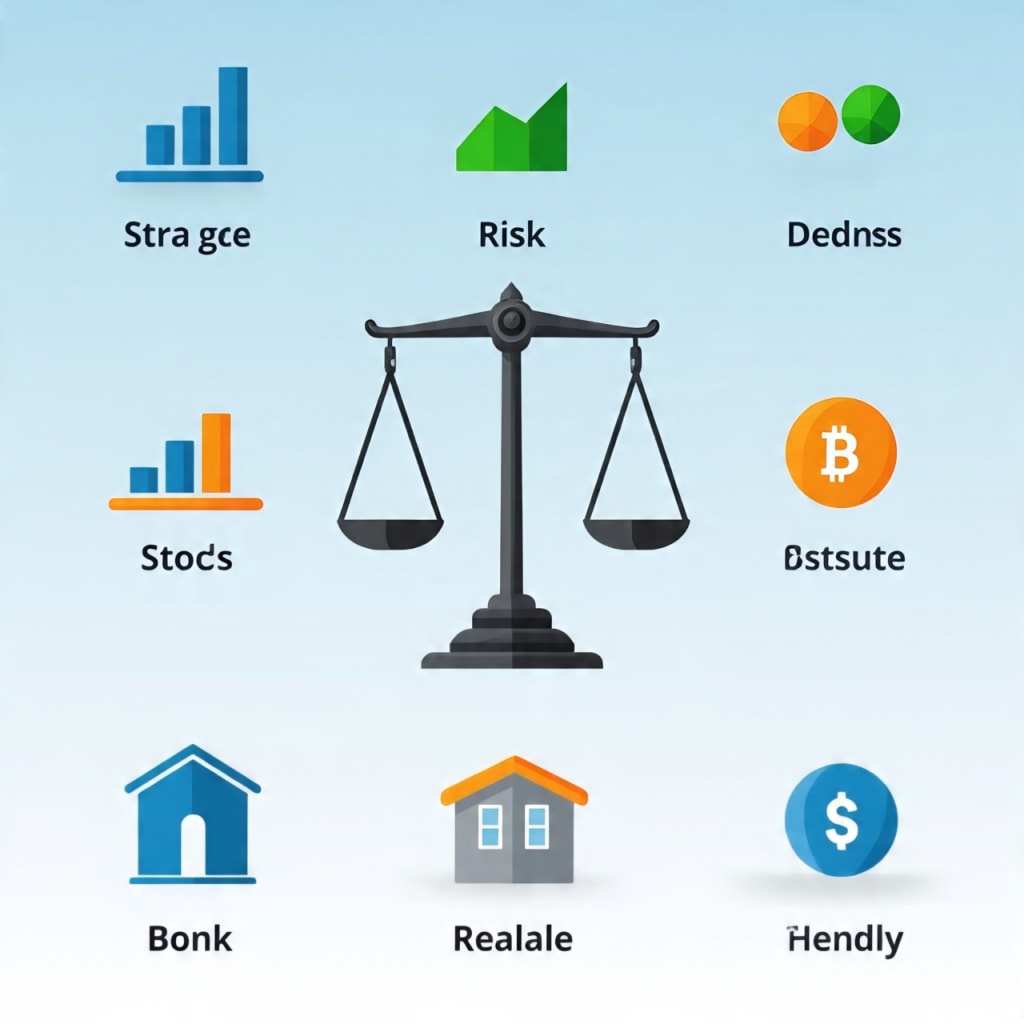
There are numerous types of investment assets, each carrying different levels of risk, return, and liquidity. Broadly speaking, investments can be categorized into several asset classes:
Stocks (Equities):
Stocks represent ownership in a company. When you buy shares of a company, you become a partial owner and are entitled to a share of the company’s profits (through dividends) and any potential appreciation in the stock price. Equities tend to offer high returns over the long term but are also subject to market volatility and risk. Investing in stocks can be done through direct purchases or indirectly through mutual funds or exchange-traded funds (ETFs).
Bonds (Fixed Income):
Bonds are debt instruments issued by governments or corporations to raise capital. When you buy a bond, you are essentially lending money to the issuer in exchange for periodic interest payments and the return of the principal at maturity. Bonds are typically considered less risky than stocks and offer more stable, though generally lower, returns.
Real Estate:
Real estate investment involves purchasing property for rental income or capital appreciation. Real estate can offer a steady cash flow, tax advantages, and long-term value growth. However, it requires significant capital to start, and managing property can involve high transaction costs and maintenance expenses.
Commodities:
Commodities include tangible assets such as gold, silver, oil, and agricultural products. Investing in commodities can be a hedge against inflation and economic instability. However, commodity prices can be extremely volatile, subject to geopolitical events, supply-demand dynamics, and currency fluctuations.

Cryptocurrencies:
Cryptocurrencies such as Bitcoin, Ethereum, and other digital assets are relatively new forms of investment. These decentralized digital currencies operate on blockchain technology, and their value is highly speculative. While they have experienced exponential growth, they are also notoriously volatile and unregulated, which poses a significant risk for investors.
Mutual Funds & Exchange-Traded Funds (ETFs):
Mutual funds pool money from various investors to invest in a diversified portfolio of stocks, bonds, or other assets. ETFs are similar but are traded like stocks on exchanges. Both types of funds allow individual investors to gain exposure to a broad range of assets, reducing risk through diversification.
Investment Strategies
The key to successful investing lies in choosing the right investment strategy based on your financial goals, risk tolerance, and investment horizon. Here are a few popular investment strategies:
Buy and Hold:
This strategy involves buying assets (typically stocks or ETFs) and holding them for the long term. Investors using this approach believe that, despite market volatility, the value of their investments will appreciate over time. This strategy is most suitable for those with a long-term investment horizon and a high tolerance for short-term fluctuations.

Value Investing:
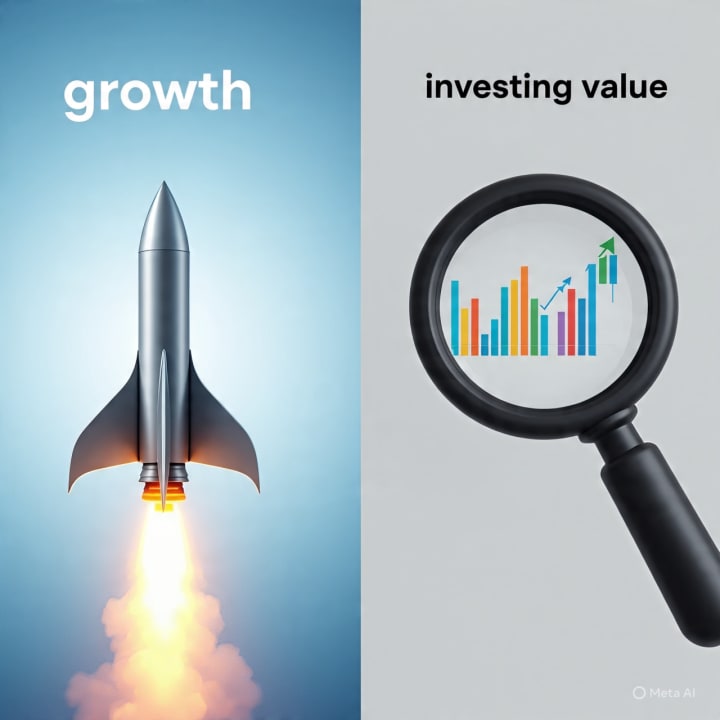
Popularized by legendary investors like Warren Buffett, value investing involves identifying stocks that are undervalued compared to their intrinsic worth. The idea is to buy stocks when they are trading below their fair value and hold them until the market recognizes their true worth. Value investing requires careful analysis of financial statements, market conditions, and company fundamentals.
Growth Investing:
Growth investors focus on companies that are expected to experience above-average growth in revenue and earnings. These companies tend to reinvest profits back into the business rather than paying out dividends. Growth investing can be lucrative, but it also carries more risk, as high-growth companies may face volatility and the potential for lower-than-expected performance.
Diversification:
Diversification is one of the most effective ways to manage risk. By spreading investments across various asset classes (stocks, bonds, real estate, etc.), industries, and geographies, investors can mitigate the impact of a poor-performing asset on their overall portfolio. A well-diversified portfolio is less likely to experience significant losses during market downturns.
Dollar-Cost Averaging (DCA):
Dollar-cost averaging is a strategy in which an investor consistently invests a fixed amount of money at regular intervals (e.g., monthly), regardless of the asset’s price. This strategy helps reduce the impact of market volatility and lowers the average cost of investment over time. DCA is a great strategy for beginners looking to steadily build a portfolio without trying to time the market.
Risk Management in Investing
Risk is inherent in any investment, but effective risk management can help investors protect their capital. Key principles for managing risk include:
Assessing Risk Tolerance: Before investing, it’s essential to understand how much risk you’re willing to take. Younger investors may have a higher risk tolerance, as they have time to recover from losses, while older investors may prefer safer, more stable investments.
Rebalancing Your Portfolio: As market conditions change, the value of your investments may shift. Rebalancing involves periodically adjusting your portfolio to maintain your desired asset allocation. This helps ensure that your risk exposure remains aligned with your financial goals.
Setting Stop-Loss Orders: For more active traders, setting stop-loss orders can be an effective way to limit potential losses. A stop-loss order automatically sells an asset once its price falls below a certain threshold, helping protect against excessive losses.
Conclusion
Investing is not just about growing wealth; it’s about securing your financial future and making informed decisions that align with your personal goals. Understanding the different asset classes and investment strategies is the first step in becoming a successful investor. With the right approach, discipline, and a long-term perspective, investing can significantly enhance your financial well-being.
Whether you are just starting out or looking to refine your investment strategy, the key is to stay informed, remain patient, and continuously assess your risk tolerance. A well-balanced, diversified portfolio tailored to your individual needs is the foundation of long-term success in the world of investing.

can make mistakes. Check important info. See Cookie Preference# Finance Academy Investment: A Comprehensive Guide Investing is a crucial aspect of personal and institutional finance, serving as a powerful tool for wealth growth, financial security, and future planning. The world of investments is vast, with countless options available for individuals and institutions to grow their money. In this guide, we explore the fundamentals of investment, the various asset classes, and strategies for building a diversified portfolio that aligns with individual financial goals. #### **The Importance of Investment** Investment refers to the process of allocating money or capital to an asset, venture, or project in hopes of generating a return over time. Unlike saving, which generally involves putting money aside with little to no risk or return, investing involves the deployment of funds into opportunities that carry a level of risk but also promise greater returns. For individuals, investments serve to achieve various financial goals such as retirement, buying a home, or funding a child's education. For businesses and institutions, investments help expand operations, increase market share, and provide long-term financial stability. #### **Asset Classes in Investment** There are numerous types of investment assets, each carrying different levels of risk, return, and liquidity. Broadly speaking, investments can be categorized into several asset classes: 1. **Stocks (Equities):** Stocks represent ownership in a company. When you buy shares of a company, you become a partial owner and are entitled to a share of the company’s profits (through dividends) and any potential appreciation in the stock price. Equities tend to offer high returns over the long term but are also subject to market volatility and risk. Investing in stocks can be done through direct purchases or indirectly through mutual funds or exchange-traded funds (ETFs). 2. **Bonds (Fixed Income):** Bonds are debt instruments issued by governments or corporations to raise capital. When you buy a bond, you are essentially lending money to the issuer in exchange for periodic interest payments and the return of the principal at maturity. Bonds are typically considered less risky than stocks and offer more stable, though generally lower, returns. 3. **Real Estate:** Real estate investment involves purchasing property for rental income or capital appreciation. Real estate can offer a steady cash flow, tax advantages, and long-term value growth. However, it requires significant capital to start, and managing property can involve high transaction costs and maintenance expenses. 4. **Commodities:** Commodities include tangible assets such as gold, silver, oil, and agricultural products. Investing in commodities can be a hedge against inflation and economic instability. However, commodity prices can be extremely volatile, subject to geopolitical events, supply-demand dynamics, and currency fluctuations. 5. **Cryptocurrencies:** Cryptocurrencies such as Bitcoin, Ethereum, and other digital assets are relatively new forms of investment. These decentralized digital currencies operate on blockchain technology, and their value is highly speculative. While they have experienced exponential growth, they are also notoriously volatile and unregulated, which poses a significant risk for investors. 6. **Mutual Funds & Exchange-Traded Funds (ETFs):** Mutual funds pool money from various investors to invest in a diversified portfolio of stocks, bonds, or other assets. ETFs are similar but are traded like stocks on exchanges. Both types of funds allow individual investors to gain exposure to a broad range of assets, reducing risk through diversification. #### **Investment Strategies** The key to successful investing lies in choosing the right investment strategy based on your financial goals, risk tolerance, and investment horizon. Here are a few popular investment strategies: 1. **Buy and Hold:** This strategy involves buying assets (typically stocks or ETFs) and holding them for the long term. Investors using this approach believe that, despite market volatility, the value of their investments will appreciate over time. This strategy is most suitable for those with a long-term investment horizon and a high tolerance for short-term fluctuations. 2. **Value Investing:** Popularized by legendary investors like Warren Buffett, value investing involves identifying stocks that are undervalued compared to their intrinsic worth. The idea is to buy stocks when they are trading below their fair value and hold them until the market recognizes their true worth. Value investing requires careful analysis of financial statements, market conditions, and company fundamentals. 3. **Growth Investing:** Growth investors focus on companies that are expected to experience above-average growth in revenue and earnings. These companies tend to reinvest profits back into the business rather than paying out dividends. Growth investing can be lucrative, but it also carries more risk, as high-growth companies may face volatility and the potential for lower-than-expected performance. 4. **Diversification:** Diversification is one of the most effective ways to manage risk. By spreading investments across various asset classes (stocks, bonds, real estate, etc.), industries, and geographies, investors can mitigate the impact of a poor-performing asset on their overall portfolio. A well-diversified portfolio is less likely to experience significant losses during market downturns. 5. **Dollar-Cost Averaging (DCA):** Dollar-cost averaging is a strategy in which an investor consistently invests a fixed amount of money at regular intervals (e.g., monthly), regardless of the asset’s price. This strategy helps reduce the impact of market volatility and lowers the average cost of investment over time. DCA is a great strategy for beginners looking to steadily build a portfolio without trying to time the market. #### **Risk Management in Investing** Risk is inherent in any investment, but effective risk management can help investors protect their capital. Key principles for managing risk include: - **Assessing Risk Tolerance:** Before investing, it’s essential to understand how much risk you’re willing to take. Younger investors may have a higher risk tolerance, as they have time to recover from losses, while older investors may prefer safer, more stable investments. - **Rebalancing Your Portfolio:** As market conditions change, the value of your investments may shift. Rebalancing involves periodically adjusting your portfolio to maintain your desired asset allocation. This helps ensure that your risk exposure remains aligned with your financial goals. - **Setting Stop-Loss Orders:** For more active traders, setting stop-loss orders can be an effective way to limit potential losses. A stop-loss order automatically sells an asset once its price falls below a certain threshold, helping protect against excessive losses. #### **Conclusion** Investing is not just about growing wealth; it’s about securing your financial future and making informed decisions that align with your personal goals. Understanding the different asset classes and investment strategies is the first step in becoming a successful investor. With the right approach, discipline, and a long-term perspective, investing can significantly enhance your financial well-being. Whether you are just starting out or looking to refine your investment strategy, the key is to stay informed, remain patient, and continuously assess your risk tolerance. A well-balanced, diversified portfolio tailored to your individual needs is the foundation of long-term success in the world of investing.
About the Creator
Keep reading
More stories from MoneyOrbit and writers in Education and other communities.
10 Personal Finance Books Every Investor Should Read
10 Personal Finance Books Every Investor Should Read Investing successfully isn't just about picking stocks—it's about understanding how money works, how to manage risk, and how to stay disciplined over time. The best investors are also great students of personal finance. Whether you're a beginner or looking to sharpen your financial mindset, here are 10 essential personal finance books every investor should read.
By MoneyOrbit6 months ago in Education
Can You Really Earn Money With Transcription? The Real Income Reality
The short answer is yes—you can earn money with transcription. But the more honest, useful answer is this: transcription only becomes worthwhile when you understand how the income actually works, not how it’s often presented online.
By Mahesh Kumar2 days ago in Education
Beyond the Transcript: What Extracurriculars and Essays Reveal That Grades Cannot
Colleges today look far beyond GPAs and test scores to understand who applicants truly are. While academic metrics indicate preparedness for coursework, they fail to capture personality, resilience, passion, and potential contributions to campus life. This is why essays, extracurricular activities, and other non-academic elements of an application hold significant power. They offer admissions officers a fuller, richer, more human version of the student—one that no number can represent.
By Carmen Reid6 days ago in Education
Ludacris and Nelly draw backlash over bookings at MAGA-coded music festival
Ludacris and Nelly headlining a mostly right-wing event is good for them. It’s also great for the genre of hip hop. The two rap veterans have showcased their talents on other stages. Why can’t they perform for mostly MAGA folks and grab that bag?
By Skyler Saunders3 days ago in Beat


Comments
There are no comments for this story
Be the first to respond and start the conversation.