
10 Personal Finance Books Every Investor Should Read
Master Your Money, Mindset, and Investing Strategy with These Timeless Financial Classics

10 Personal Finance Books Every Investor Should Read
Investing successfully isn't just about picking stocks—it's about understanding how money works, how to manage risk, and how to stay disciplined over time. The best investors are also great students of personal finance. Whether you're a beginner or looking to sharpen your financial mindset, here are 10 essential personal finance books every investor should read.
1. The Richest Man in Babylon by George S. Clason
This timeless classic uses ancient Babylonian parables to teach practical lessons about money. Despite its simple language, the core ideas—live below your means, save consistently, and invest wisely—remain just as relevant today.
Key takeaway: Start by saving at least 10% of what you earn and learn to grow your wealth through patience and discipline.

2. The Intelligent Investor by Benjamin Graham
Often hailed as the “bible of investing,” this book dives deep into value investing and the psychology of markets. Graham emphasizes the importance of a long-term mindset, margin of safety, and avoiding speculation.
Key takeaway: Understand the difference between investing and gambling. Know your risk tolerance and stay rational when markets are not.
3. Rich Dad Poor Dad by Robert T. Kiyosaki
A modern classic that contrasts two approaches to money: one from his “poor dad” (his real father) and one from his “rich dad” (a mentor). The book stresses the importance of financial education, understanding assets vs. liabilities, and building passive income.
Key takeaway: Don’t just work for money—learn how to make money work for you.

4. Your Money or Your Life by Vicki Robin & Joe Dominguez
This book helps you rethink your relationship with money and time. It challenges the reader to consider the true cost of their spending in terms of life energy and helps build a roadmap toward financial independence.
Key takeaway: Spend intentionally, align your finances with your values, and calculate what your time is truly worth.
5. The Millionaire Next Door by Thomas J. Stanley & William D. Danko
Based on years of research, this book examines the habits of millionaires in America. Spoiler: most of them are frugal, disciplined, and avoid flashy lifestyles. They invest steadily, budget carefully, and plan long-term.
Key takeaway: Wealth is more about behavior and mindset than high income or luck.
6. I Will Teach You to Be Rich by Ramit Sethi
A practical and approachable guide for young professionals, this book offers a six-week program to automate your finances, eliminate debt, and start investing. Sethi also dives into conscious spending, credit, and savings optimization.
Key takeaway: Set up systems so your finances run on autopilot—and focus your energy on what you love.
7. The Psychology of Money by Morgan Housel
A must-read for anyone who wants to understand how emotion and behavior affect financial decisions. Housel’s short chapters are full of insights about luck, risk, compounding, and why investors often act irrationally.
Key takeaway: How you behave with money often matters more than how much you know about it.

8. Unshakeable by Tony Robbins (with Peter Mallouk)
This is a condensed, focused version of Robbins’ longer work, Money: Master the Game. It offers a clear path to financial freedom, with practical strategies for investing, minimizing fees, and staying calm
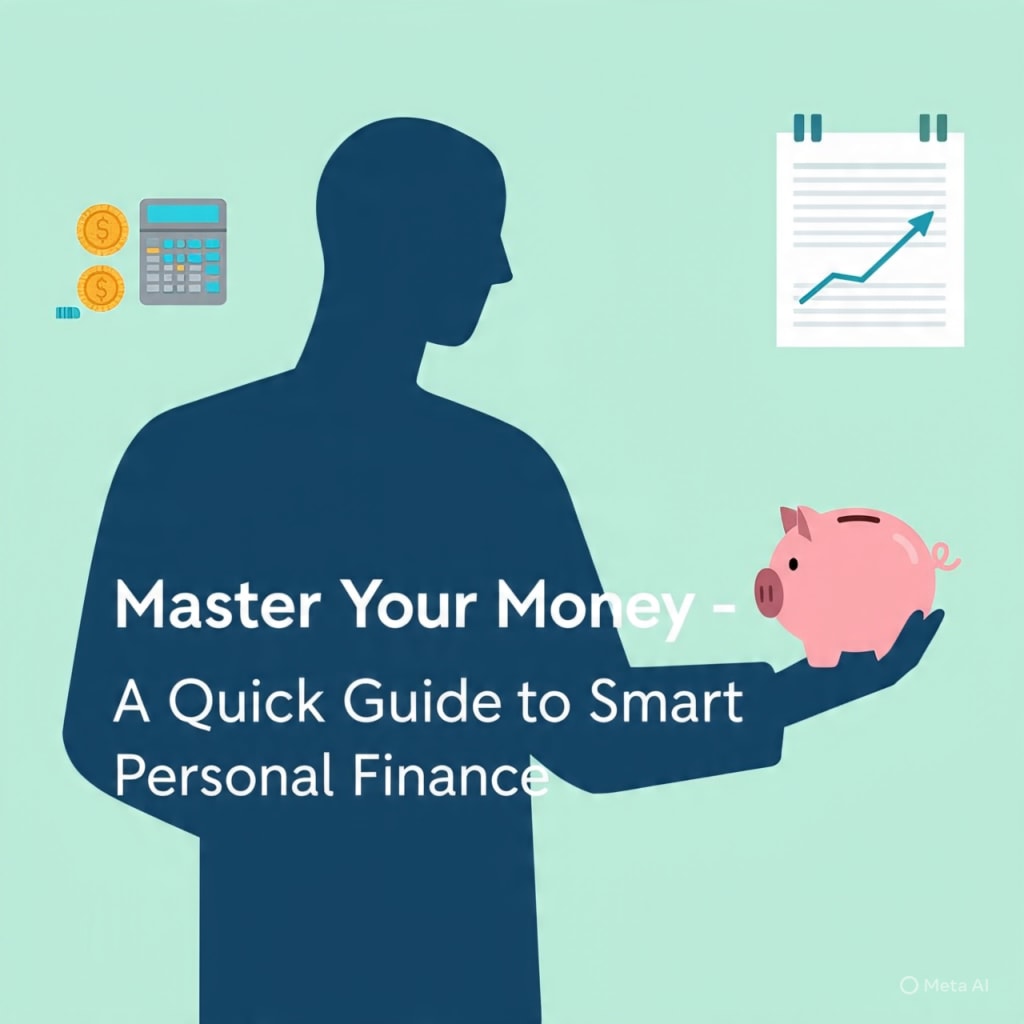
Master Your Money: A Quick Guide to Smart Personal Finance
Money touches every part of our lives—yet most of us were never taught how to manage it. This short guide offers the core principles of personal finance in a simple, powerful way.
First, spend less than you earn. It sounds basic, but it’s the foundation of wealth. Track your income and expenses, and stick to a budget that prioritizes saving.

Next, build an emergency fund—3 to 6 months of expenses—in a high-yield savings account. It’s your safety net when life throws the unexpected your way.
Avoid high-interest debt. Pay off credit cards aggressively and borrow only for things that grow in value, like education or a home.
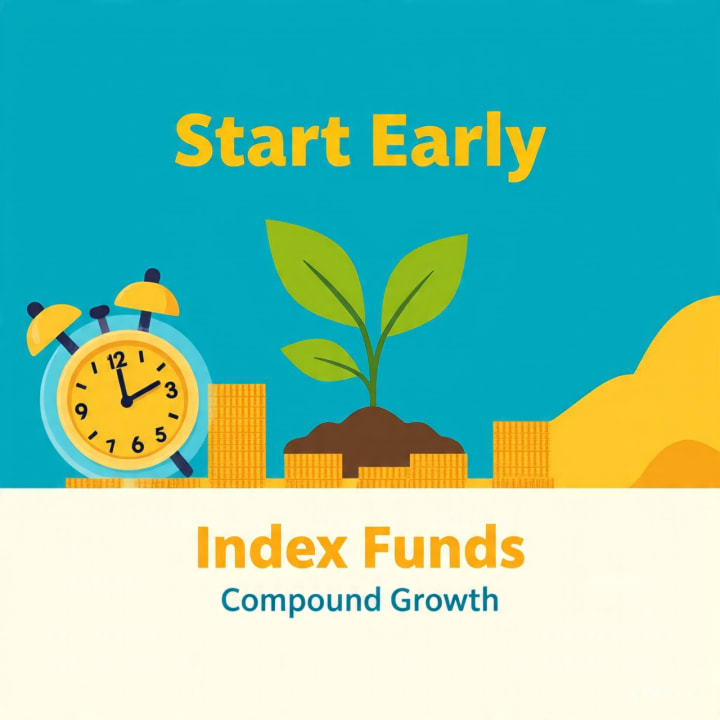
Then, invest early and consistently. Use index funds, diversify, and let compound interest work its magic over time.
Finally, protect your money with insurance and a basic plan for retirement. Your future self will thank you.
You don’t need to be rich to get rich. You just need the right habits, discipline, and time.
This book is your first step toward financial freedom. Now take action—and make your money work for you.
About the Creator
Keep reading
More stories from MoneyOrbit and writers in Education and other communities.
How Business Coaching Helps Founders Scale With Clarity and Control
Business coaching assists founders to scale since hustle and reactivity are substituted with structure, systems and strategic leadership. Strategic coaching provides clarity in the marketing, operations, leadership, and decision-making roles of the business, eliminating the need to use the owner as the bottleneck, instead enabling the business to expand without havoc, burnout, or firefighting.
By Alice Adamsabout 19 hours ago in Education


Comments
There are no comments for this story
Be the first to respond and start the conversation.